
How Can I Clean My Car Seats At Home: Easy Guide
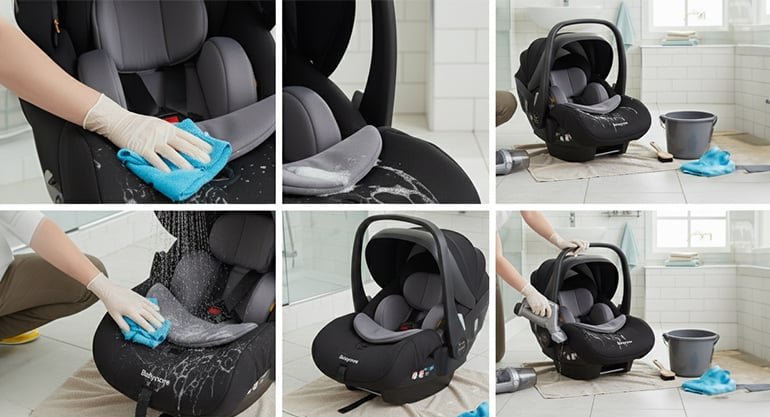
You can clean car seats at home with a vacuum, mild cleaner, soft brush, and careful drying.
Learning how can i clean my car seats at home starts with knowing the seat material. Fabric, leather, vinyl, and suede-like upholstery all need different care. This guide explains safe steps, simple homemade options, common mistakes, and stain tips so your interior looks fresh without damage.
What You Need to Clean Car Seats at Home
Before learning how can i clean my car seats at home, gather your supplies. The right tools help lift dirt without soaking the foam or leaving marks.
You will need:
• A vacuum with a crevice tool
• Two or three microfiber cloths
• A soft upholstery brush or old toothbrush
• A bucket of warm water
• Mild dish soap or automotive upholstery cleaner
• White vinegar for some fabric stains
• Baking soda for odors
• A spray bottle
• A dry towel
• Leather conditioner for leather seats
• A small fan, if available
Avoid strong bleach, ammonia, harsh degreasers, and rough brushes. These products can fade fabric, weaken stitching, dry leather, or damage protective coatings.
Always read the seat-care instructions in your vehicle owner’s manual. Some cars have heated seats, cooling fans, side airbags, or sensitive electronic parts beneath the upholstery.

Identify Your Car Seat Material
The safest answer to how can i clean my car seats at home depends on what your seats are made of. Check the material before applying water or cleaner.
Fabric seats
Fabric seats are common and can usually handle a water-based upholstery cleaner. However, too much liquid can soak into the foam and create a musty smell.
Leather seats
Leather needs gentle cleaning and conditioning. Soap can remove natural oils if used too often, while strong chemicals may cause cracks or discoloration.
Vinyl seats
Vinyl is less absorbent than fabric and often cleans well with diluted soap and water. Still, avoid abrasive pads that can scratch the surface.
Suede or Alcantara-style seats
These materials need special care. Avoid soaking them or using ordinary leather products. Use a cleaner made for synthetic suede and test it in a hidden area first.
Seats with heating, cooling, or airbags
Do not spray directly onto switches, seams, seat controls, or airbag panels. Spray cleaner onto a cloth instead. This gives you better control and lowers the risk of moisture reaching electrical parts.
How Can I Clean My Car Seats at Home: Step-by-Step
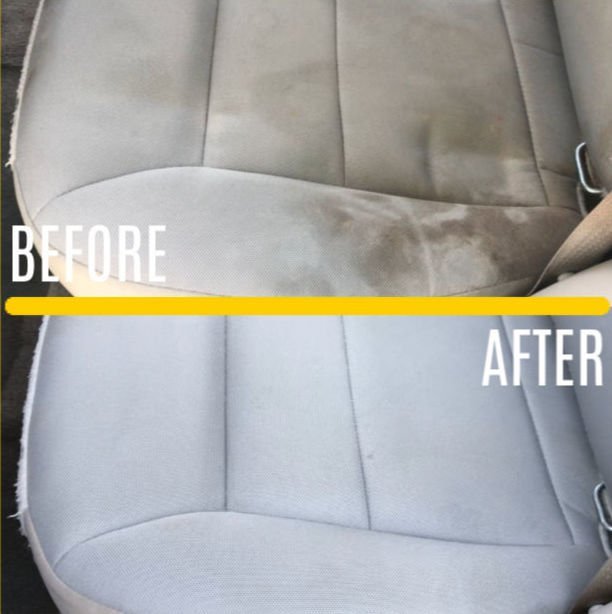
This simple process works well for most fabric and vinyl seats. If you are asking how can i clean my car seats at home without special equipment, these steps are a good place to start.
1. Remove items from the car
Take out floor mats, child seats, trash, toys, and personal items. Move the front seats forward and backward so you can reach hidden dirt.
Cleaning is easier when the cabin is empty. It also stops loose dirt from falling back onto freshly cleaned seats.
2. Vacuum slowly
Vacuum the seats, seams, cracks, and sides. Use the crevice tool around seat belts and between the seat cushion and backrest.
Do not rush this step. Dry crumbs and grit act like tiny pieces of sandpaper. Removing them first helps prevent stains and fabric wear during scrubbing.
3. Test the cleaner
Apply a small amount of cleaner to a hidden area. Wait several minutes, then check for fading, bleeding, stickiness, or texture changes.
This test is especially important for older cars, dark fabrics, repaired seats, and custom upholstery.
4. Make a mild fabric cleaner
For many fabric seats, mix:
• 2 cups of warm water
• 1 teaspoon of mild dish soap
You can add 1 cup of white vinegar for some odors and light stains. Do not mix vinegar with bleach or other chemical cleaners.
Pour the solution into a spray bottle, but use it lightly. The goal is to dampen the surface, not flood the seat.
5. Clean one small area at a time
Spray the cleaner onto a microfiber cloth or soft brush. Work in small sections with gentle circular motions.
Start at the top of the seat and move downward. This prevents dirty water from running onto areas you already cleaned.
6. Blot instead of soaking
Use a clean, dry towel to blot moisture and lifted dirt. Press down firmly, then lift the towel. Rubbing too hard can spread a stain or damage the fabric.
Repeat the cleaning and blotting process until the section looks even. Several light passes are safer than one very wet pass.
7. Dry the seats fully
Open the doors or windows and use a fan if possible. Avoid sitting on the seats until they are fully dry.
Damp foam can develop a stale odor. In cold or humid weather, drying may take several hours. Never cover wet seats with plastic because it traps moisture.

How to Clean Fabric Car Seats
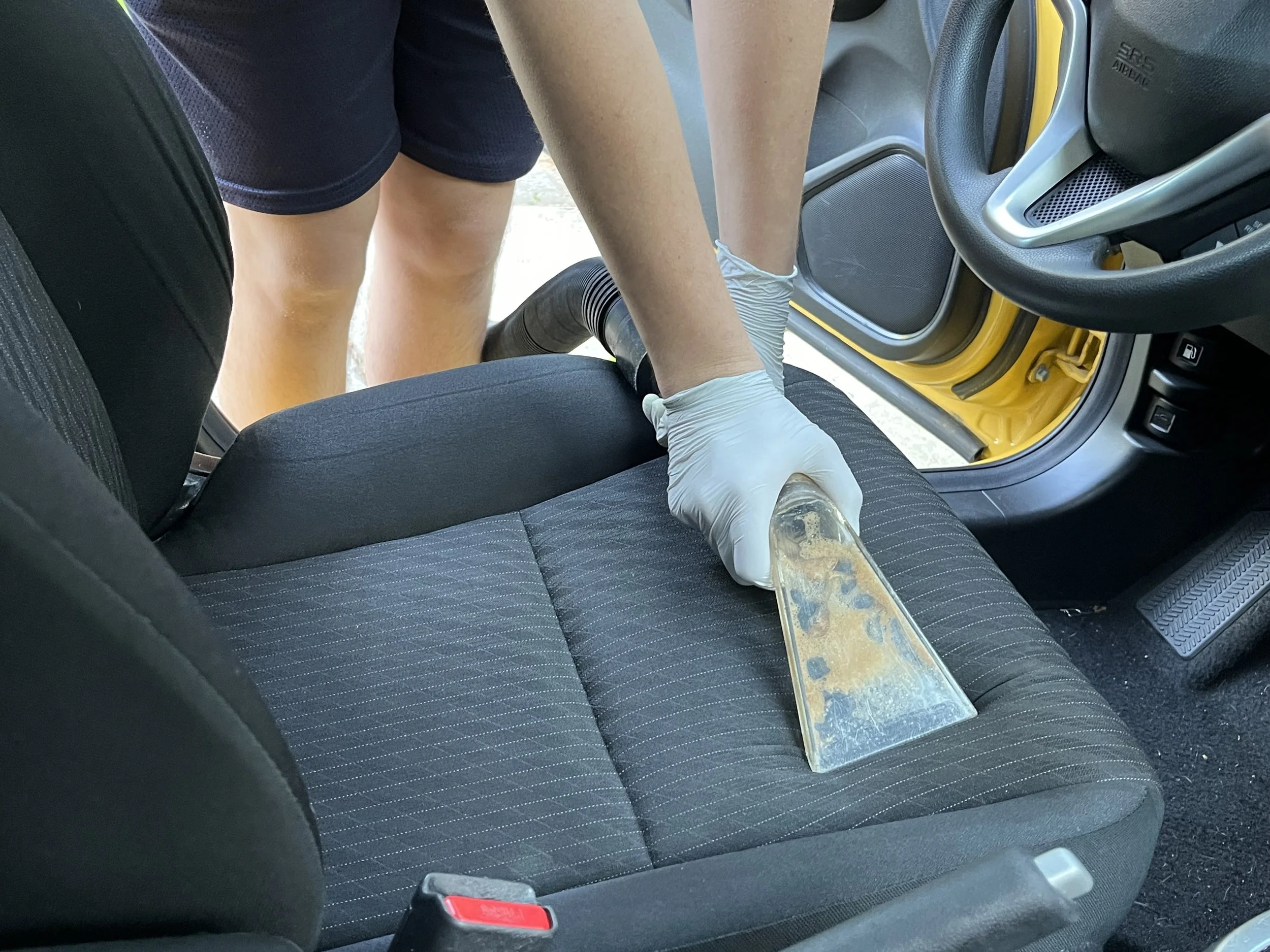
Fabric seats collect dust, body oils, food crumbs, drink spills, and pet hair. A careful cleaning routine can improve their appearance without professional equipment.
For regular cleaning, vacuum first. Then use a small amount of upholstery cleaner and work with a soft brush. Use a towel to remove moisture after each section.
For heavy dirt, repeat the process instead of adding more water. If the entire seat is heavily stained, an extractor can help, but use low moisture and follow the machine instructions.
A helpful home method includes:
- Vacuum the full seat.
- Apply mild cleaner to a small section.
- Brush gently in one direction.
- Blot with a dry towel.
- Repeat until the fabric looks clean.
- Leave the doors open while the seat dries.
Do not use baking soda as a replacement for cleaning. It may absorb some odors, but it does not remove oily dirt or deep stains. Vacuum it away after letting it sit for 15 to 30 minutes.
How to Clean Leather Car Seats
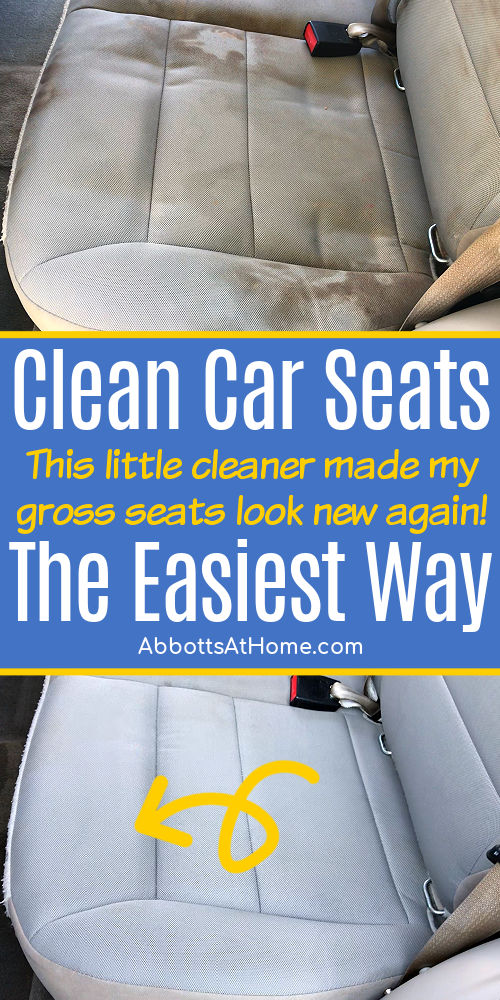
Leather seats require a gentler method than fabric seats. If you want to know how can i clean my car seats at home without drying the leather, avoid soaking and harsh soap.
Follow these steps:
• Vacuum dust from seams and creases.
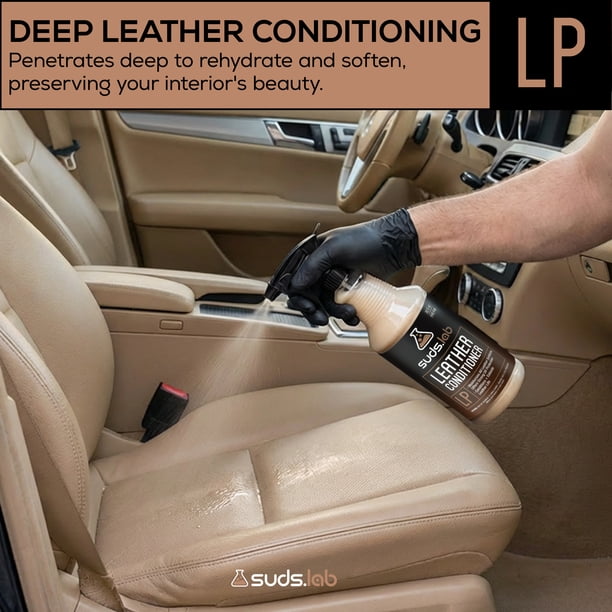
• Put a small amount of leather cleaner on a cloth.
• Wipe a small section gently.
• Remove cleaner residue with a clean damp cloth.
• Dry the surface with a soft towel.
• Apply a quality leather conditioner if the product instructions recommend it.
Do not pour cleaner directly onto leather. Liquid can collect in seams and reach areas that are difficult to dry.
Leather conditioner does not repair deep cracks or peeling. It can help maintain flexible, finished leather, but severely damaged seats may need professional repair or replacement.
Perforated leather needs extra care. Keep liquid away from the tiny holes, since moisture can enter the seat cushion.
How to Clean Vinyl Car Seats
Vinyl is usually simple to clean, but it can still become dull or brittle with age. A mild soap solution is often enough for daily grime.
Dampen a microfiber cloth with diluted soap and water. Wipe the seat, then use a second cloth with clean water to remove residue. Dry the surface right away.
For grooves and stitching, use a soft toothbrush. Avoid steel wool, magic erasers, and abrasive powders. These can remove the surface finish and leave shiny or rough patches.
Keep vinyl away from direct heat when drying. Excess heat may make older vinyl stiff or encourage cracking.
How to Remove Common Car Seat Stains
Different stains respond to different methods. The key is to act quickly and blot rather than scrub.
Coffee and soda
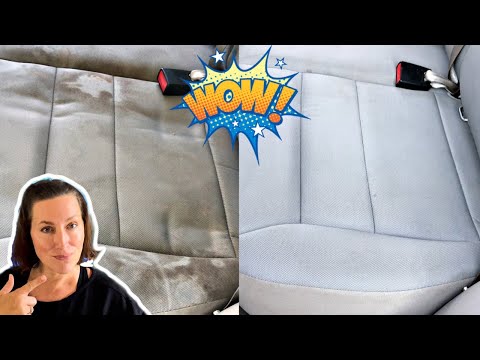
Blot the spill with a clean towel. Use mild soap and warm water, then blot again. Sugary drinks can leave a sticky film, so wipe the area with a clean damp cloth afterward.
Grease and oil
Do not start with lots of water. Blot fresh oil with a towel, then use a small amount of upholstery cleaner designed for grease. Test the product first because some cleaners can create a lighter spot.
Food stains
Remove solid pieces with a spoon or dull edge. Vacuum crumbs, then clean the remaining mark with mild soap solution.
Ink
Ink can spread quickly. Do not scrub it with water alone. Use a fabric-safe stain product and test it in a hidden place before treating the visible area.
Pet stains
Blot liquid as soon as possible. An enzyme cleaner made for upholstery may help break down organic residue and odors. Follow the label and keep the area damp only as long as directed.
Vomit or milk
Remove solids with gloves and a disposable scraper. Clean the area with an upholstery-safe cleaner, then use an enzyme product if odor remains. Ventilate the car well while it dries.
How to Remove Odors From Car Seats
Odors often come from moisture, spilled drinks, food, smoke, pets, or bacteria in the seat foam. Masking the smell with air freshener rarely solves the source.
First, remove trash and vacuum thoroughly. Clean the affected area, blot excess moisture, and allow full drying.
For mild odors, sprinkle a thin layer of baking soda over dry fabric seats. Let it sit for 15 to 30 minutes, then vacuum it completely. Do not use this method on wet seats or leave powder in seams and electrical components.
Smoke odors can be difficult because they may remain in the headliner, carpet, vents, and seat foam. If cleaning does not help, professional odor treatment may be more effective than repeated home applications.
Mistakes to Avoid When Cleaning Car Seats
Knowing what not to do is an important part of how can i clean my car seats at home. Many seat problems come from too much water or too much force.
Avoid these mistakes:
• Soaking the seat until the foam is wet
• Using bleach on colored upholstery
• Spraying liquid near seat controls or airbag seams
• Scrubbing hard with a stiff brush
• Mixing vinegar with bleach or chemical cleaners
• Using household glass cleaner on leather
• Drying leather with a hair dryer or strong heat
• Sitting on seats before they are fully dry
• Skipping a hidden-area color test
• Using a carpet cleaner without checking the seat material
One mistake I often see is treating every seat as if it were a carpet. Car seats contain foam, wiring, sensors, and moving parts. Gentle moisture control matters as much as stain removal.
A Practical Cleaning Schedule
You do not need to deep-clean your car seats every week. A simple schedule keeps dirt from becoming difficult to remove.
Weekly
Vacuum crumbs, pet hair, and loose dust. Wipe visible spills before they dry.
Monthly
Clean high-contact areas such as the driver’s seat, steering wheel, armrests, and door handles. Check seams for trapped dirt.
Every three to six months
Deep-clean fabric or vinyl seats. Clean leather with a suitable leather product and inspect it for dryness or cracking.
After a major spill
Act at once. Blot the liquid, remove solid debris, clean the area, and dry it fully. Fast action often prevents a permanent stain.
Families with young children, pet owners, rideshare drivers, and people who eat in the car may need to clean more often.
When to Hire a Professional Detailer
Home cleaning works well for light and moderate dirt. Professional help may be safer when the seats have deep stains, strong smoke odor, mold, extensive pet contamination, or water damage.
Contact a detailer if:
• The seat remains wet or smells musty after drying
• The stain has spread into the foam
• Leather is peeling or deeply cracked
• Mold is visible
• The seat has delicate suede or rare upholstery
• Electrical seat controls have been exposed to liquid
• You are unsure whether the seat contains special coatings
Professional extractors can remove more moisture and dirt than basic home tools. However, even professional cleaning has limits. Old stains may leave permanent discoloration, and damaged materials may need repair rather than cleaning.
Safety Tips for Cleaning Car Seats at Home
Car interiors include more than fabric and plastic. Some seats contain side airbags, occupancy sensors, heating elements, cooling fans, and electronic controls.
Use these safety habits:
• Turn off the vehicle before cleaning.
• Keep liquid away from electrical switches.
• Do not remove seat covers unless the manufacturer allows it.
• Never spray into airbag labels, seams, or seat belt mechanisms.
• Wear gloves when cleaning bodily fluids or mold.
• Use good ventilation when applying commercial products.
• Keep children and pets away from wet cleaners.
• Follow every product label and vehicle manual instruction.
If a cleaner causes burning eyes, breathing trouble, or skin irritation, stop using it and move to fresh air. Product labels provide the most accurate first-aid guidance for that specific formula.
Frequently Asked Questions
How can i clean my car seats at home without a machine?
Vacuum the seats, apply a small amount of mild cleaner, brush gently, and blot with microfiber towels. Work in small sections and allow the seats to dry fully.
Can I use dish soap to clean car seats?
A very small amount of mild dish soap diluted in water can work on many fabric and vinyl seats. Do not use concentrated soap, and always remove residue with a clean damp cloth.
Can I use vinegar on fabric car seats?
Diluted white vinegar may help with some light odors and stains. Test it first because vinegar can affect certain dyes, finishes, and delicate materials.
How do I clean leather car seats at home?
Vacuum the seams, apply leather cleaner to a cloth, wipe gently, and dry with a soft towel. Use a suitable leather conditioner only when the product instructions recommend it.
How long do car seats take to dry after cleaning?
Lightly damp seats may dry in a few hours with open doors and good airflow. Heavily wet seats can take much longer, and they should not be used until the foam is completely dry.
Is baking soda safe for car seats?
Baking soda can help reduce mild odors on dry fabric seats when used in a thin layer. Vacuum it fully afterward, and avoid using it on wet seats, leather, suede, or areas with exposed electronics.
Can I use a steam cleaner on car seats?
Steam can damage some adhesives, leather finishes, foam, and electronic parts. Use it only when the seat and machine manufacturers approve it, and avoid applying steam near airbag seams or controls.
Conclusion
The best way to understand how can i clean my car seats at home is to match the method to the material. Vacuum first, use gentle cleaner, control moisture, blot instead of scrubbing, and give every seat enough time to dry.
Fabric, leather, vinyl, and suede-like upholstery each need a slightly different approach. Start with a hidden-area test, avoid harsh chemicals, and call a professional when stains, mold, odors, or electrical concerns go beyond basic cleaning.
Set aside a little time this week to clean one seat at a time. Your car will feel fresher, look better, and stay easier to maintain. Share your cleaning results or explore more car-care guides for practical ways to protect your vehicle.