
How To Make A Car Emergency Kit: Essential Roadside Guide
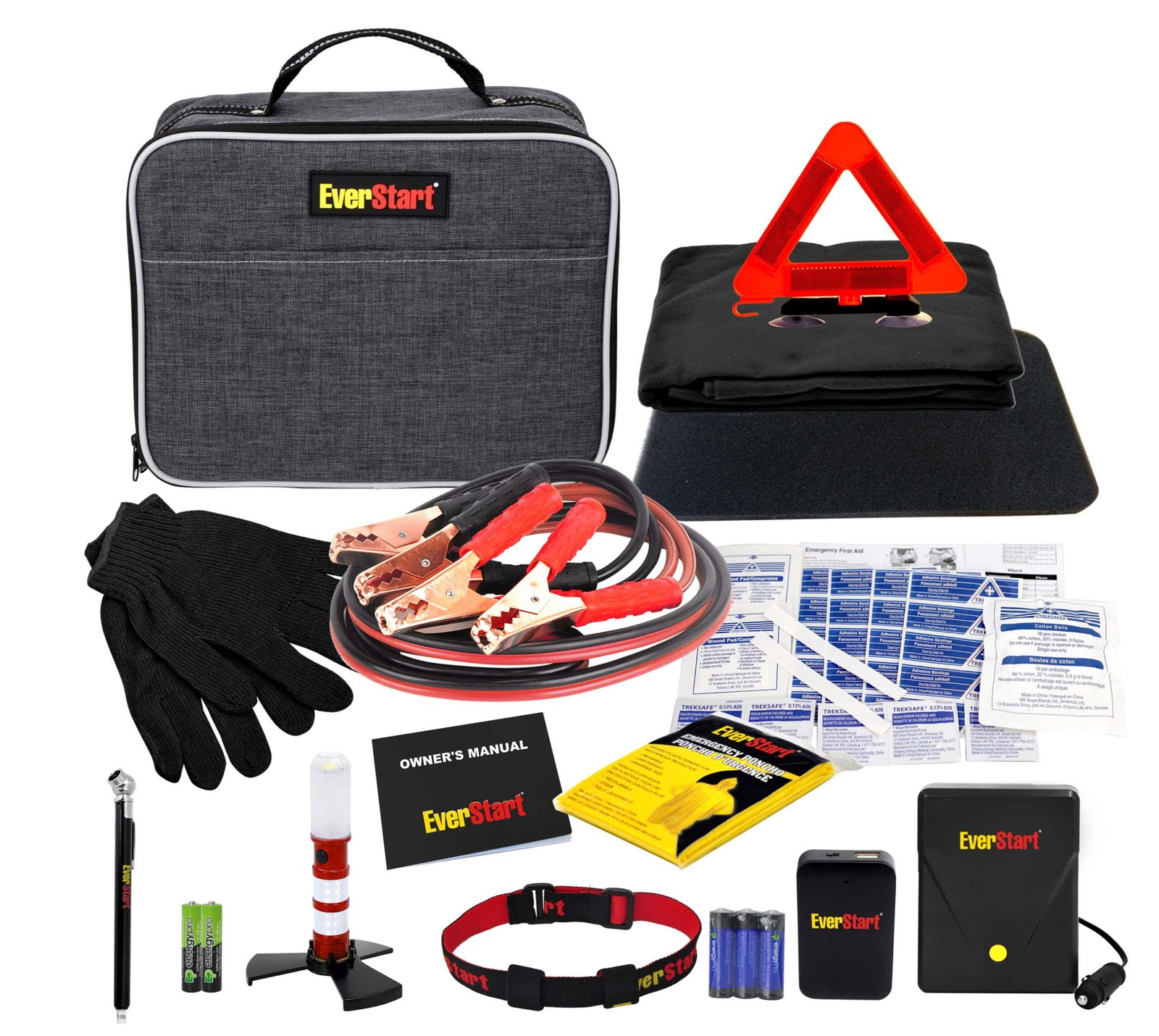
A good car emergency kit helps you handle common problems on U.S. roads, such as a flat tire, dead battery, winter storm, heat wave, or long traffic delay. Start with basic safety items, then add supplies for your car, climate, route, and passengers.
Store the kit in a strong plastic bin, backpack, or soft-sided bag. Keep it where you can reach it without leaving the vehicle, such as the trunk or cargo area. Check the kit twice a year and replace expired, wet, damaged, or used items.
This guide explains what to pack, what each item does, how to prepare for different U.S. regions, and what to do when your car breaks down.

What Should Be in a Car Emergency Kit?
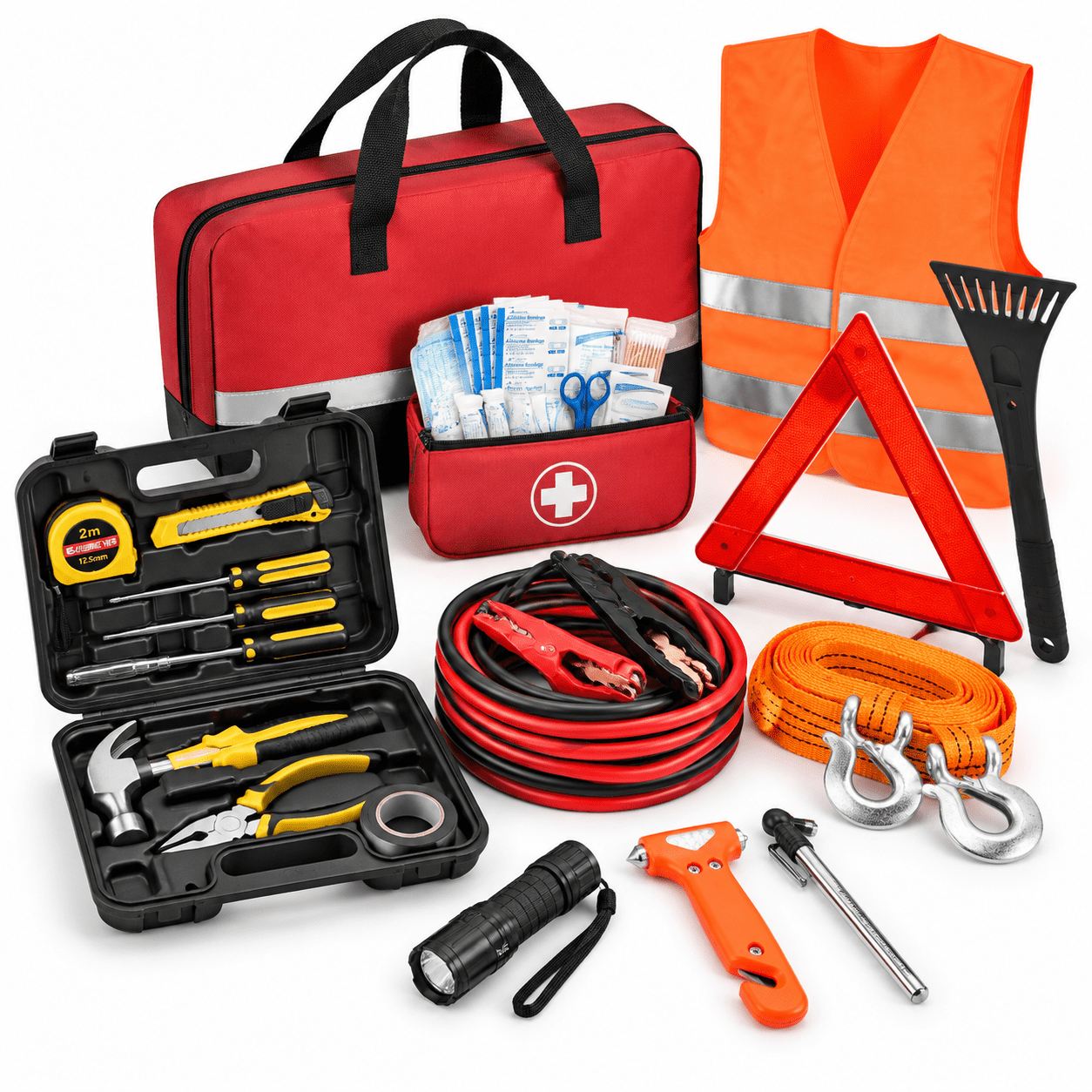
A basic car emergency kit should include items for safety, communication, tire trouble, weather, first aid, food, water, and small vehicle problems. You do not need every item on the market. You need useful supplies that match your risks.
Core car emergency kit checklist
| Category | Items to pack | Why you need them |
|---|---|---|
| Safety | Reflective vest, flashlight, spare batteries, reflective triangles | Helps other drivers see you |
| Communication | Charged phone power bank, charging cable, paper emergency contacts | Keeps you connected if your phone battery dies |
| Tire trouble | Tire pressure gauge, tire inflator, plug kit, work gloves | Helps with a slow leak or low tire |
| Visibility | LED warning light or roadside flares | Warns traffic about your stopped car |
| First aid | Bandages, gauze, antiseptic wipes, gloves, personal medicine | Treats small injuries while you wait for help |
| Weather | Blanket, rain poncho, warm hat, extra socks, sunscreen | Protects you from cold, rain, and sun |
| Food and water | Bottled water, sealed snacks, water pouch | Helps during long delays |
| Basic tools | Duct tape, zip ties, utility tool, scissors, rags | Supports simple temporary fixes |
| Vehicle information | Insurance card, registration copy, roadside assistance details | Speeds up calls for help |
These items form the core of the kit. Add special supplies if you drive in snow, extreme heat, rural areas, or places with weak cell service.
Use a two-part system
A two-part kit is easier to manage:
- Cabin kit: Keep safety, communication, first-aid, and weather items inside the passenger area.
- Repair kit: Keep tools, tire supplies, and heavier items in the trunk or cargo area.
If the trunk will not open after a crash or electrical failure, cabin supplies can still help. Keep your flashlight, phone charger, first-aid supplies, and warning device within reach.

How to Build Your Car Emergency Kit Step by Step
Follow these steps to make a kit that fits your vehicle and your driving habits.
1. Check your car before buying supplies
Look at your owner’s manual and confirm what your car already has. Many vehicles include some combination of:
- Spare tire
- Jack
- Lug wrench
- Tire sealant
- Tire pressure label
- Tow hook
- Wheel-lock key
- Roadside assistance information
Do not assume these items are present. Some newer cars have no spare tire. They may use a tire repair kit or an inflator instead.
Check the spare tire’s air pressure. A spare can lose air while sitting unused. Also check that the jack and lug wrench fit your vehicle.
2. Choose a safe warning system
Pack a reflective vest and three reflective warning triangles or an approved warning light. These items can make you easier to see at night or in rain.
Use warning devices only when you can place them safely. Do not walk into traffic or stand on the road to set them up. If the shoulder is narrow, traffic is moving fast, or you feel unsafe, stay inside the vehicle with your seat belt on and call for help.
Road flares can work, but they need care. Keep them away from leaking fuel, dry grass, and spilled fluids. LED warning lights are easier to store and do not create an open flame.
3. Add light and backup power
Pack a bright flashlight and spare batteries. A headlamp can be useful because it leaves both hands free.
Add a power bank with the correct charging cable for your phone. Charge the power bank every few months. A dead power bank is only extra weight.
Do not rely on your phone alone. Write down at least two emergency contacts, your roadside assistance number, and your insurance information on paper.
4. Prepare for tire trouble
A tire pressure gauge is one of the most useful items in a car kit. Check your tire pressure when the tires are cold and compare it with the pressure listed on the driver-side door label or in the owner’s manual.
A portable tire inflator can help with a low tire. It cannot safely repair every puncture. A plug kit may work for some small tread punctures, but it should not be used for sidewall damage, a large cut, or a tire with serious structural damage.
Do not drive on a flat tire unless you are moving only far enough to reach a safe place and the vehicle maker allows it. Driving on a flat can damage the wheel and tire.
5. Pack safe battery supplies
For a gas-powered car, jumper cables can help if another vehicle is available. A portable jump starter can work without another car, but it must match the vehicle’s battery and engine requirements.
Read the jump starter manual before an emergency. Learn where the positive and negative terminals are. Some vehicles have special jump points under the hood.
Hybrid and electric vehicles need extra care. Do not guess where to connect cables. Use the vehicle manual. A 12-volt battery may power lights and controls even when the main drive battery is charged. High-voltage parts should be handled only by trained personnel.
Never try to jump a damaged, leaking, swollen, or frozen battery. Call roadside assistance instead.
6. Add first-aid and personal items
A compact first-aid kit can include:
- Adhesive bandages
- Sterile gauze
- Medical tape
- Antiseptic wipes
- Disposable nitrile gloves
- Tweezers
- Scissors
- Instant cold pack
- Basic pain medicine, if safe for you to use
- Any prescription medicine you may need during a delay
Do not store medicine in a hot car for long periods unless the label allows it. Heat can damage some medicines.
Add glasses, contact lens supplies, baby items, menstrual products, and supplies for pets if needed.
7. Pack food and water
Carry sealed, shelf-stable snacks. Good choices include:
- Granola bars
- Crackers
- Nuts, if safe for your passengers
- Dried fruit
- Shelf-stable energy bars
- Ready-to-eat meal bars
Keep water in containers made for storage in hot conditions. Replace stored water based on the label or your own inspection schedule. Heat can damage some plastic containers and change taste.
Do not store food that melts, spoils quickly, or attracts pests.
8. Label and test the kit
Put a simple label on the container. List the replacement date for batteries, food, water, and medicine.
Test key items before you need them:
- Turn on the flashlight.
- Charge the power bank.
- Check the tire inflator.
- Confirm the jumper cables are clean and undamaged.
- Check the spare tire.
- Make sure the first-aid supplies are sealed.
- Confirm that your phone cable fits your phone.
A kit is ready when you can find each item quickly and use it without guessing.

What to Add for Winter Driving
Winter supplies matter most in northern states, mountain areas, and places that can get ice or snow. Even a short trip can become dangerous when roads close or traffic stops.
Add these items:
- Warm blanket or sleeping bag
- Winter coat, hat, gloves, and spare socks
- Snow brush and ice scraper
- Small folding shovel
- Traction material, such as sand or approved traction granules
- Hand warmers
- Extra windshield washer fluid rated for freezing temperatures
- Water and high-energy snacks
- Whistle
- Backup phone power bank
Keep the fuel tank at least partly full before a winter storm. Check weather and road reports before leaving. The National Weather Service provides official winter weather information for the United States.
If you become stuck in snow, clear snow from the exhaust pipe before running the engine. A blocked tailpipe can allow carbon monoxide to enter the passenger area. Run the engine only long enough to warm the cabin, and keep a window open slightly when conditions allow.
Avoid walking for help unless officials tell you to leave or you can clearly reach a safe building. Your car may provide shelter and is easier for rescuers to find.

What to Add for Hot Weather and Desert Roads
Heat creates different risks. A disabled car can become dangerous quickly in Arizona, Nevada, Texas, Florida, and other hot regions.
Add:
- Extra drinking water
- Electrolyte drink packets
- Sunscreen
- Wide-brim hat
- Light clothing
- Cooling towel
- Umbrella or sun shade
- Extra coolant only if your vehicle manual permits it
- Battery-powered fan
- Pet water and a collapsible bowl
Never leave a child or pet alone in a parked vehicle. The inside temperature can rise fast, even when the windows are partly open.
If your car overheats, pull over safely and turn off the engine. Do not remove a radiator cap while the engine is hot. Hot coolant can spray out and cause severe burns. Wait for the engine to cool, then follow the owner’s manual or call for help.
Water helps people, but it does not fix every vehicle problem. Do not pour cold water over a hot engine. A sudden temperature change can damage parts, and the real fault may be a leak, failed belt, fan problem, or other issue.

What to Pack for Rural Roads and Long Trips
Rural trips may involve long distances between towns, weak cell service, and limited roadside help. Add supplies based on the route, not just the destination.
Consider packing:
- Paper road map
- Extra drinking water
- Extra shelf-stable food
- Satellite messenger or personal locator beacon for remote travel
- Portable radio
- Basic tool kit
- Extra fuel only when carried in an approved fuel container and allowed by local rules
- Work gloves
- Toilet paper and hand sanitizer
- Spare glasses
- Pet food and leash
Tell a trusted person your route and expected arrival time. If your plan changes, update them.
Do not depend on a navigation app in areas with poor service. Download maps before leaving and keep a paper map as a backup.

How to Store and Maintain the Kit
Store the kit so it stays dry, secure, and easy to reach. A loose tool or heavy battery can become dangerous in a crash.
Follow these storage tips:
- Use a sealed container for small items.
- Keep heavy tools low and secured.
- Keep emergency supplies away from direct sun when possible.
- Do not store aerosol cans where they can become very hot.
- Keep water and food away from chemicals.
- Store batteries in a way that prevents metal contacts from touching.
- Keep a small list of allergies and medical needs.
- Check the kit after every use.
Inspect it at least twice a year. A useful schedule is the start of winter and the start of summer.
Replace items when they are:
- Expired
- Wet
- Rusted
- Cracked
- Leaking
- Discharged
- Missing parts
- No longer compatible with your vehicle
Also check your car’s maintenance items. A full emergency kit cannot replace working tires, good brakes, proper fluids, and a charged vehicle battery.
What to Do if Your Car Breaks Down
Your first task is to reduce the risk of a collision.
- Turn on your hazard lights.
- Move to the shoulder or another safe area if the car can move.
- Stop as far from moving traffic as possible.
- Set the parking brake.
- Keep passengers away from traffic.
- Call 911 if anyone is hurt, the car is in a dangerous position, or traffic presents an immediate threat.
- Call roadside assistance or your insurer.
- Use reflective gear or warning devices only when it is safe.
- Stay with the vehicle unless a safe building is close or emergency workers tell you to leave.
If you are on a highway, do not stand behind or beside the car. Move away from traffic when possible. The National Highway Traffic Safety Administration provides general road safety information, while state transportation agencies provide local road and closure information.
Do not accept help from a stranger if the situation feels unsafe. Keep doors locked and ask the person to contact law enforcement or roadside assistance.

Common Car Emergency Kit Mistakes
Packing too much
A huge kit can become hard to carry and may leave no room for normal cargo. Start with safety, communication, first aid, water, weather protection, and tire supplies.
Forgetting the spare tire
A spare tire with low pressure will not help much. Check the tire, jack, wrench, and wheel-lock key together.
Keeping everything in the trunk
You may not be able to open the trunk after a crash or electrical problem. Keep a small cabin kit with a flashlight, phone power bank, first-aid supplies, water, and warning equipment.
Using the wrong jump-start method
Battery locations and jump points vary. Follow the vehicle manual. Do not connect cables based only on color or memory.
Carrying expired supplies
Check batteries, water, food, medicine, and sunscreen. A product can look fine and still be unusable.
Repairing damage that needs a professional
Do not repair a tire sidewall, exposed wiring, fuel leak, damaged high-voltage system, or overheated engine yourself. Move to safety and call a qualified technician or roadside service.
How Much Does a Car Emergency Kit Cost?
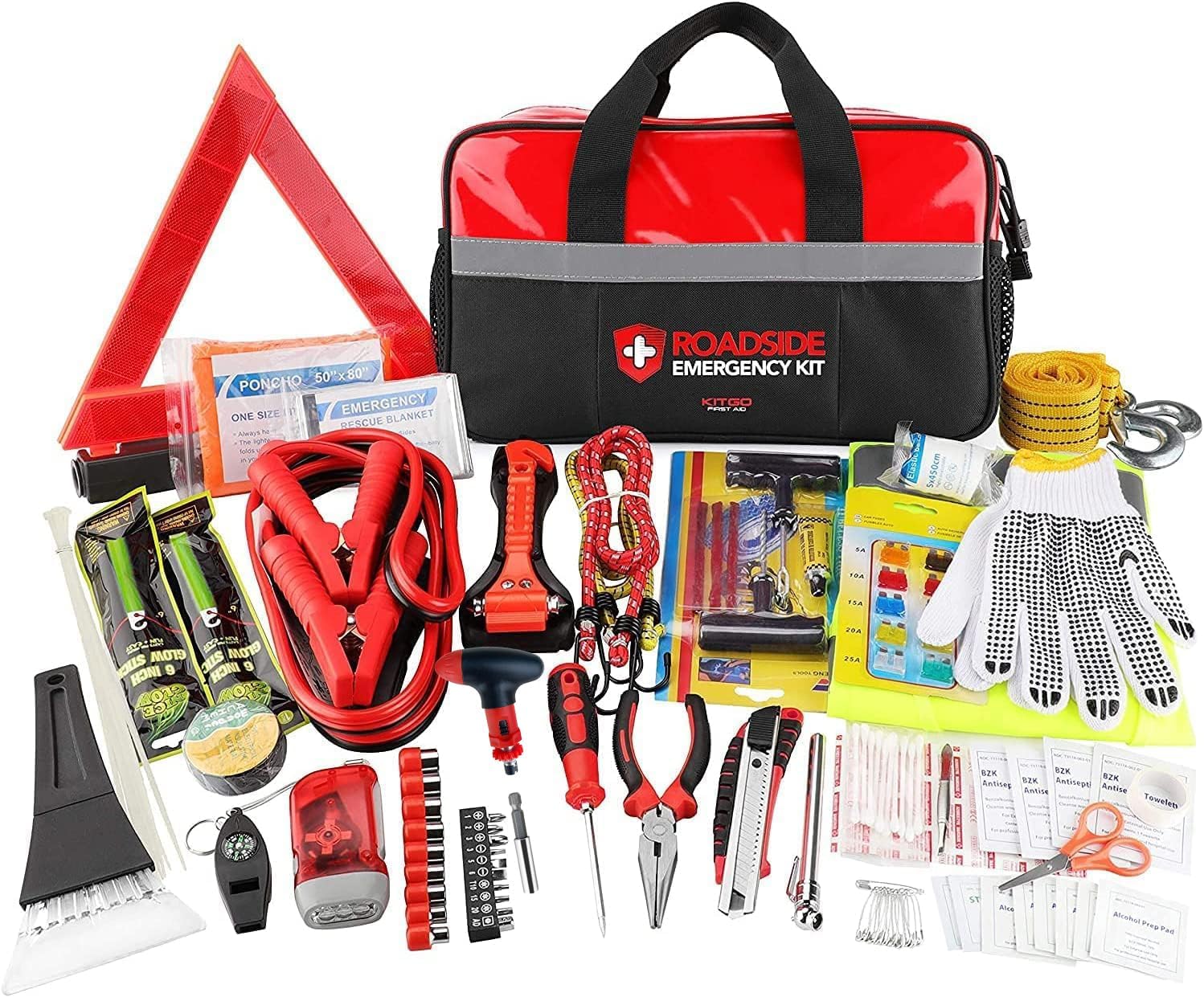
The cost depends on what you already own and how much equipment your car includes. A simple kit can use household supplies plus a flashlight, first-aid kit, tire gauge, water, snacks, and warning device.
A more complete kit may include a tire inflator, jump starter, winter gear, pet supplies, and a satellite communicator. These items cost more, but they may be useful for people who drive long distances or travel in remote areas.
A practical way to budget is to build the kit in stages:
- First: flashlight, phone power bank, warning device, first aid, water, and snacks.
- Next: tire gauge, inflator, gloves, blanket, and basic tools.
- Then: seasonal supplies, jump starter, pet items, and remote-travel equipment.
The best kit is one you can store safely, inspect often, and use correctly.

Key Takeaways
- Build your kit around safety, communication, first aid, weather, food, water, and tire trouble.
- Keep some supplies in the passenger area, not only in the trunk.
- Check your spare tire, jack, and jump points before an emergency.
- Add winter, heat, rural-road, child, or pet supplies when they fit your needs.
- Never risk walking into traffic or handling a hot, damaged, leaking, or high-voltage vehicle system.
- Inspect the kit twice a year and replace items after use.
Frequently Asked Questions
Do I need a car emergency kit if I have roadside assistance?
Yes. Roadside assistance may take time to arrive, and phone service may fail. A small kit can keep you visible, warm, hydrated, and safer while you wait.
Should I keep jumper cables or a portable jump starter?
Jumper cables work when another suitable vehicle is available. A portable jump starter can work alone, but it must be charged and rated for your vehicle. Many drivers carry both.
Can I keep bottled water in my car?
You can, but heat and long storage can affect containers and taste. Use containers suitable for storage, inspect them often, and replace them when needed. Never depend on stored water to replace regular hydration planning.
What should I keep in an electric vehicle emergency kit?
Pack the same basic safety, communication, first-aid, weather, and tire items. Add the correct charging cable and adapters for your route. Follow the vehicle manual for 12-volt battery assistance, and never handle high-voltage components.
How often should I replace my car emergency kit?
Inspect it at least twice a year and after every use. Replace expired medicine, damaged gear, weak batteries, old food, and leaking or unsafe containers.
Should I carry a firearm in my emergency kit?
A firearm is not a basic emergency-kit item. Storage, transport, and use laws vary by state and locality. Anyone considering one must follow current laws and obtain proper safety training. A flashlight, phone, warning device, and communication plan are safer starting points for most roadside emergencies.
Conclusion
Make your car emergency kit in layers. Start with items that help you be seen, call for help, treat minor injuries, manage a flat tire, and stay safe in bad weather.
Then adjust the kit for your state, routes, vehicle, passengers, pets, and season. Test each important item before you need it. The next useful step is to check your spare tire, charge a power bank, and place a small cabin kit within reach.