
How To Use Sun Visor For Car: Easy Safety Guide
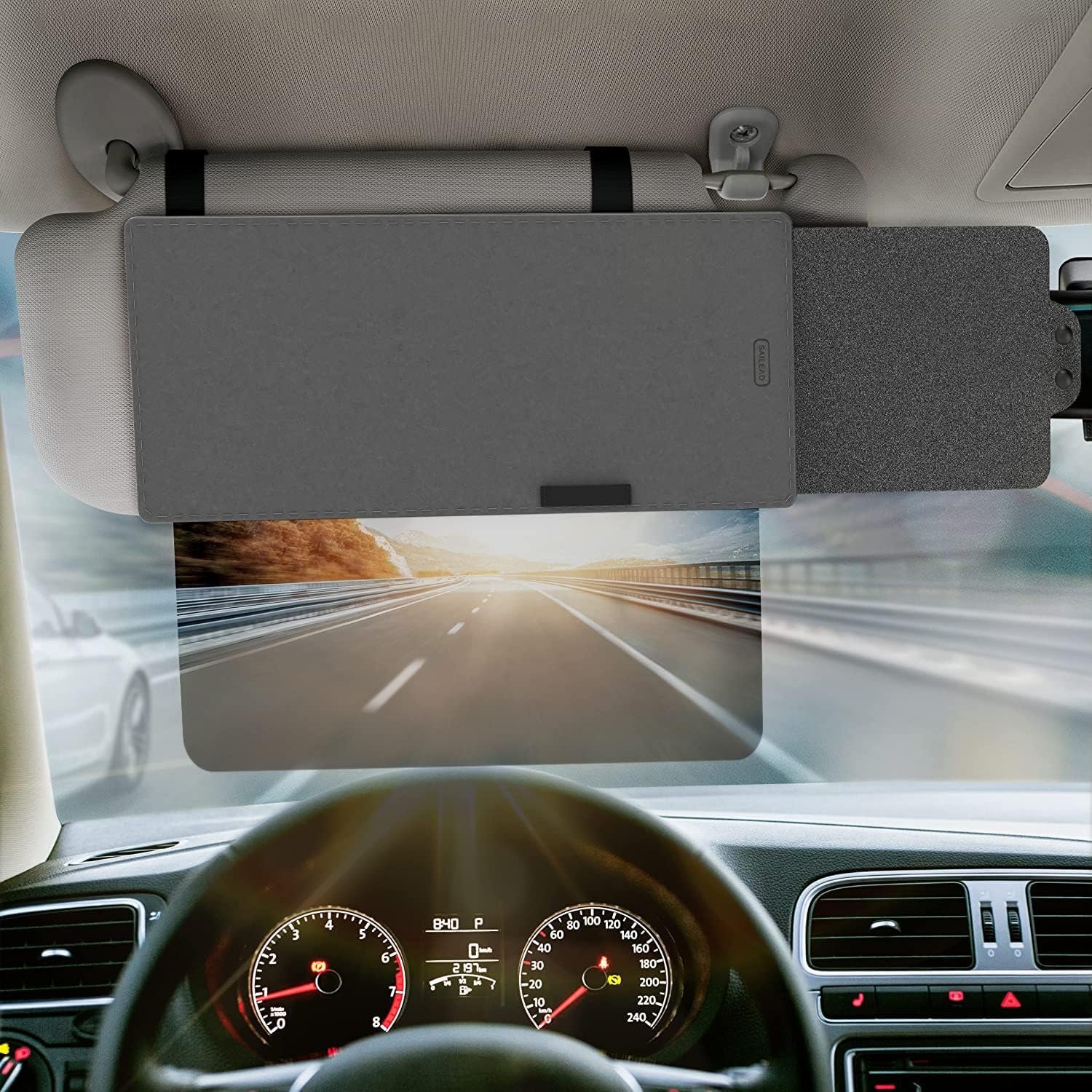
A car sun visor helps block bright sunlight from your eyes and reduce glare while you drive in the United States. To use it, pull the visor down for sunlight coming through the windshield, or unclip and turn it toward the side window when the sun is beside you. Adjust it only when the car is stopped or when you can do so without losing control or sight of the road.
A visor can make a bright drive more comfortable, but it cannot replace safe speed, clean glass, sunglasses, or full awareness of traffic. Use it to block the sun without covering traffic lights, signs, pedestrians, cyclists, or other vehicles.

What a Car Sun Visor Does
A sun visor is a padded panel mounted above the windshield or side window. It swings down or pivots sideways to block part of the sun’s direct rays.
The visor can help reduce:
- Bright sunlight through the windshield
- Low-angle glare during sunrise and sunset
- Reflections from snow, wet roads, and other vehicles
- Eye strain caused by harsh light
The visor does not make the road safer by itself. It can also block part of your view if you place it too low or turn it across the side window at the wrong angle.
The National Highway Traffic Safety Administration advises drivers to stay focused and keep a clear view of the road. A visor is a visibility aid, not a reason to ignore glare, slow down, or stop when conditions become unsafe.

How to Use the Sun Visor Through the Windshield
Use the visor in front of you when sunlight enters through the windshield.
- Keep both hands available when needed. If the sun is causing severe glare, slow down first and wait until you can adjust the visor safely.
- Find the visor above the driver’s seat. It is usually attached to the headliner by a pivot or retaining clip.
- Pull the visor down gently. Do not yank it or force it past its normal range.
- Set the lowest position that blocks the glare. Leave as much of the road ahead visible as possible.
- Check the full driving view. Make sure you can see traffic lights, road signs, lane markings, vehicles, and people near the road.
- Raise the visor when the sun angle changes. A visor that helped a few minutes ago may later block more of your view than it helps.
Keep the visor close to the roof when you do not need it. A loose or sagging visor can drop into your view without warning.
When to stop instead
Pull over in a safe place if the visor cannot control the glare. This may happen when:
- The sun is directly ahead and below the visor
- The windshield is dirty, scratched, or fogged
- Light reflects strongly from snow or wet pavement
- You cannot see lane lines or traffic signals
- The visor blocks too much of the road
Never hold a phone, paper, cloth, or other object against the windshield to block sunlight. It can create a larger blind spot.

How to Turn the Visor Toward a Side window
most car visors can pivot from the front of the windshield toward the driver’s side window.
- Lower the visor from its normal position.
- Release the end closest to the side window if your vehicle uses a retaining clip.
- Swing the visor toward the side window.
- Position it near the top of the window. The goal is to block sunlight without covering your view of mirrors, cross traffic, or the road beside you.
- Use a built-in extension if available. Some visors slide outward to cover the gap between the visor and the door frame.
- Check the side mirror and blind spot. The visor must not hide the mirror or make it harder to see before changing lanes.
A side visor is useful when the sun comes through the driver’s window. It can also help when light reflects from buildings or other vehicles. However, it may hide a pedestrian, cyclist, motorcycle, or vehicle near the side of your car, so use extra care at intersections and during lane changes.
If your visor does not pivot, do not force it. Some designs move only downward, while others use a hook, hinge, or sliding mount. Check the vehicle owner’s manual for the correct movement.

How to Use a Sun Visor With a Vanity Mirror or Light
Many passenger and driver-side visors have a small vanity mirror. Some also have a cover or light.
Use the mirror only when the vehicle is parked. Looking into it while driving takes your eyes away from the road.
To use it safely:
- Park in a legal, safe location.
- Lower the visor after the car stops.
- Open the mirror cover if your vehicle has one.
- Close the cover before driving again.
- Return the visor to its normal position if it blocks your view.
A visor light may turn on when the mirror cover opens. If the light stays on after you close the cover, check the cover, switch, and owner’s manual. A light that remains on can drain the battery after the car is parked.
Do not attach items to the visor if they can fall, swing, or block your view. Heavy objects can also strain the visor hinge.

How to Use a Sun Visor With Sunglasses
Sunglasses and a visor can work together, but each has limits.
Wear sunglasses that fit well and do not distort your view. Polarized lenses may reduce reflected glare from roads, water, and other flat surfaces. They do not remove all glare, and they may make some dashboard or screen displays harder to read.
Use the visor when the sun is coming from a narrow angle. Use sunglasses when light remains bright across a wider part of your view.
Do not wear very dark lenses at night, in a tunnel, or in other low-light conditions. Remove them when they make signs, people, or road hazards harder to see.
The visor does not provide complete protection from ultraviolet light. A closed windshield may block much of the sun’s ultraviolet radiation, but side-window protection differs by vehicle and glass type. If ultraviolet exposure is a concern, rely on suitable window treatments or other measures that comply with local law and do not reduce visibility.

The Best Sun Visor Position for Different Sun Angles
The correct position depends on where the sun is relative to your car.
| Sun position | Recommended visor use | Main caution |
|---|---|---|
| In front of the car | Pull the visor down across the windshield | Do not hide traffic lights or road signs |
| To the driver’s side | Pivot the visor toward the side window | Keep the side mirror and blind spot visible |
| To the passenger’s side | Use the passenger visor if needed | Do not reach across the cabin while driving |
| High overhead | Lower the visor slightly | Check that it does not block overhead signals |
| Low at sunrise or sunset | Use the visor and slow down | Stop if glare still hides the road |
| Behind the car | The front visor usually will not help | Use mirrors and keep the rear glass clear |
The sun’s position changes with the time of day, season, and direction of travel. A route that is comfortable at noon may have severe glare in the morning or late afternoon.
If you regularly drive toward the sun, clean the inside and outside of the windshield. Film, dust, and oily residue scatter light and can make glare much worse.

How to Fix a Loose, Sagging, or Stuck Sun Visor
A visor that will not stay in place may have a worn hinge, loose mounting screw, damaged clip, or broken internal part.
Use this check:
- Park the vehicle.
- Move the visor through its normal range by hand.
- Look for a loose screw, broken clip, or cracked mount.
- Check whether the visor rubs against the headliner or mirror.
- Read the vehicle owner’s manual before removing trim.
- Replace the visor or have it repaired if it falls into your view.
Do not use strong tape, wire, or a makeshift strap near the driver’s head area. Such repairs may interfere with the headliner or an overhead safety system. Do not drill into the roof or headliner unless the repair instructions specifically allow it.
If the visor is attached near an airbag location, seek help from a qualified technician. Airbag parts and roof trim should not be disturbed without the correct service information.
A replacement visor must match the vehicle’s design. Check the model year, trim, side, color, mounting style, wiring for a lighted mirror, and any included clip before buying one.

Common Sun Visor Mistakes
Avoid these errors when using a car sun visor:
Pulling it too low
A visor may block the sun but also hide a traffic signal, sign, or person. Raise it until you have the clearest useful view.
Turning it to the side without checking the mirror
A side visor can cover the driver’s mirror or part of the side window. Check the mirror and blind spot before moving the car or changing lanes.
Adjusting it while driving
Reaching overhead can distract you and may cause the car to drift. Adjust the visor before moving or after stopping safely.
Using a visor as a substitute for cleaning the glass
A dirty windshield spreads light across the glass. Clean both sides of the windshield and replace worn wiper blades.
Leaving the vanity mirror open
An open mirror cover may reflect light into your eyes or leave a light switched on. Close it before driving.
Hanging bulky items from the visor
Objects can fall, swing, or block your view. Keep the visor clear unless an item is designed for that location and cannot interfere with driving.
Driving when the road is still invisible
If the visor, sunglasses, and slower speed do not restore a clear view, stop in a safe place. Do not continue by guessing where the lane or traffic is.

What to Do If the Sun Visor Does Not Help
If glare remains after you adjust the visor, work through the problem in this order:
- Slow down. Lower speed gives you more time to respond.
- Clean the windshield. Remove dust, oil, film, and fingerprints.
- Check for fog. Use the vehicle’s defroster or defogger.
- Inspect the wipers. Poor wipers can leave a thin film that scatters light.
- Use the correct visor position. Try the front or side position based on the sun’s angle.
- Use suitable sunglasses in daylight.
- Avoid looking directly at the sun.
- Pull over if you still cannot see clearly.
A cracked windshield, damaged visor mount, loose trim, or failed hinge needs repair. If the visor is part of or close to an airbag system, use the vehicle manufacturer’s service instructions or contact a qualified repair shop.

Key takeaways:
- Pull the visor down for sun coming through the windshield.
- Pivot it toward the side window when sunlight comes from beside you.
- Keep traffic signals, signs, mirrors, and road users visible.
- Adjust the visor only when it is safe to do so.
- Clean the windshield and slow down when glare remains.
- Replace a loose or broken visor instead of using an unsafe temporary fix.
Frequently Asked Questions
Should I use the sun visor up or down?
Use it down when direct sunlight enters through the windshield. Set it only as low as needed to block glare while keeping the road, signs, and signals visible.
Can I use the sun visor while driving?
You can use a visor while driving only if adjusting it does not distract you or reduce control. It is safer to set it before moving or pull over before making a careful adjustment.
How do I use a sun visor for side glare?
Release the visor from its retaining clip, pivot it toward the side window, and use its extension if available. Check that it does not cover the side mirror or blind spot.
Why does my sun visor keep falling down?
The hinge, mounting clip, or internal support may be worn or damaged. Inspect it while parked and replace or repair it if it cannot stay securely in place.
Does a sun visor block UV rays?
A visor blocks direct light in the area it covers, but it should not be treated as complete ultraviolet protection. UV protection varies by windshield and side-window glass, so check the vehicle information for your car.
What should I do if glare makes driving impossible?
Slow down and pull over in a safe place. Clean or defog the windshield, wait for the sun angle to change, or use a safer route or travel time.
Conclusion
Use the car sun visor to block direct sunlight without reducing your view of the road. Pull it down for front glare, pivot it toward the side window for side glare, and use any extension carefully. If the road remains hard to see, the safest choice is to slow down and stop rather than rely on the visor alone.