
how to clean car cleaning gel
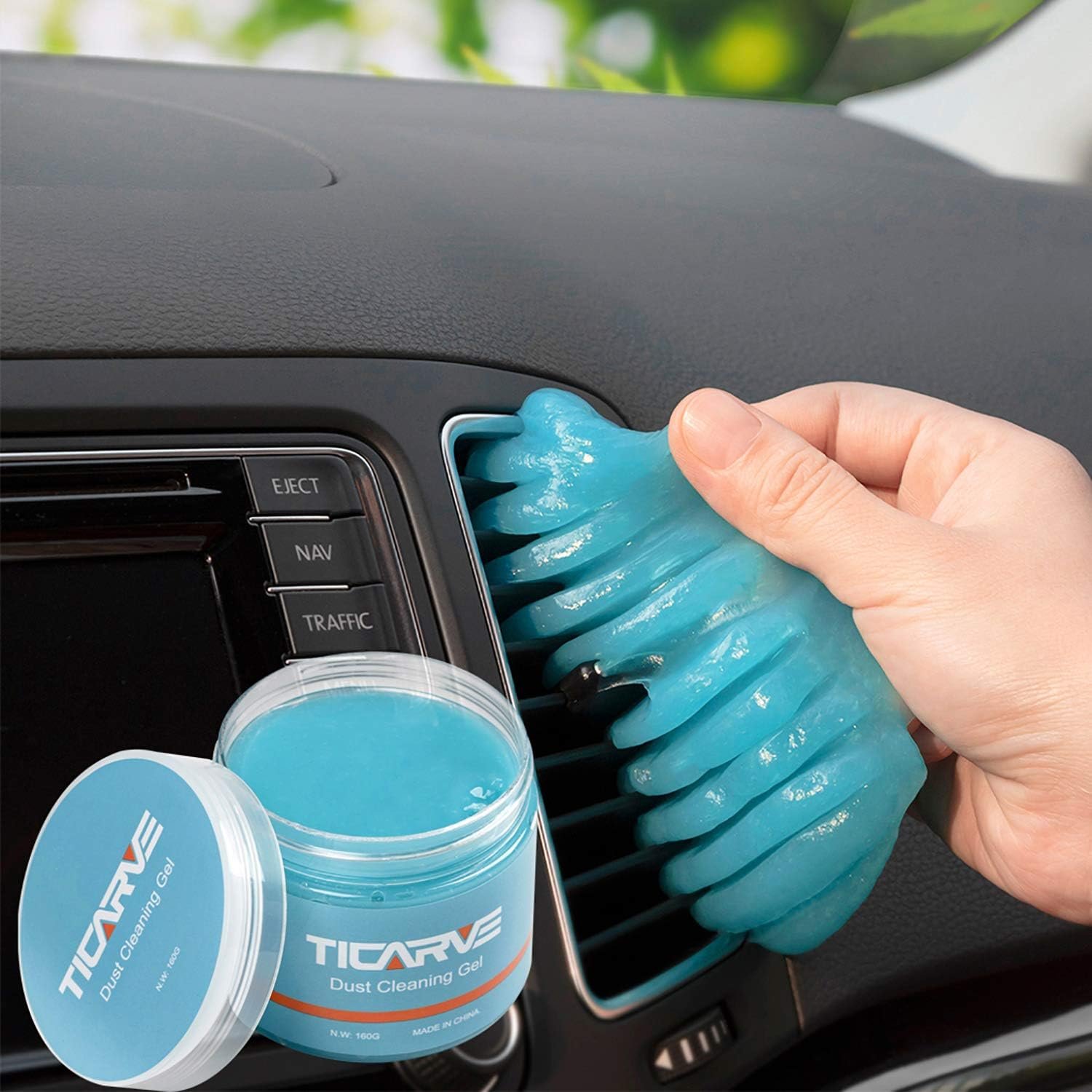
Car cleaning gel lifts dust and grime from tight spaces without soaking your car’s delicate interior.
A good Car Cleaning Gel works like a soft, reusable dust magnet for dashboards, vents, cup holders, buttons, and other hard-to-reach areas. After testing cleaning gels on daily drivers and family vehicles, I have learned where they shine, where they fail, and how to use them without leaving a sticky mess. This guide explains how Car Cleaning Gel works, what to look for, and how to get cleaner results with less effort.
What Is Car Cleaning Gel?
Car Cleaning Gel is a soft, moldable cleaning product made to pick up loose dust, crumbs, hair, and light debris. You press it onto a surface, let it grip the dirt, and lift it away. Unlike a cloth, the gel can reach narrow gaps that your fingers cannot.
Most cleaning gels contain a water-based polymer mixture. This gives the product its soft texture and slight tack. Some formulas also include a light scent, color, or antibacterial claim. However, scent and color do not always show cleaning power.
Car Cleaning Gel is not a replacement for a vacuum, interior cleaner, or disinfectant. It is best viewed as a quick detail tool. Think of it as a small broom for the tiny spaces inside your car.

How Does Car Cleaning Gel Work?
The gel cleans through gentle adhesion. Dust and small particles stick to the gel when you press it against a surface. You then lift the gel away, taking the debris with it.
The process is simple:
- Wash and dry your hands before use.
- Press the Car Cleaning Gel lightly onto a dusty area.
- Lift the gel instead of dragging it across the surface.
- Fold the used side into the clean center.
- Repeat until the gel looks dirty or loses its tack.
- Store it in its sealed container.
A pressing motion works better than rubbing. Rubbing may spread dust into buttons, seams, and textured plastic. It can also make the gel break apart faster.
In my experience, the best results come from using the gel after a quick vacuum. The vacuum removes larger dirt, while the Car Cleaning Gel collects the fine dust left behind.

Best Uses for Car Cleaning Gel
Car Cleaning Gel is useful in areas that are awkward to clean with a towel. It works well for light dust and small particles, but it does not dissolve stains or remove heavy grease.
Common uses include:
- Air conditioning vents
- Dashboard seams
- Center console gaps
- Cup holders
- Gear shifter areas
- Around radio and climate buttons
- Door handle recesses
- Speaker grilles
- Steering wheel stitching
- Small storage compartments
- Areas around the parking brake
- Computer keyboards and desk items at home
The gel is especially helpful for cars with many small buttons and textured panels. It can also pick up dry crumbs from a child’s car seat area, although you should remove the seat first when possible.
Avoid using Car Cleaning Gel on wet surfaces. Water can weaken the gel and spread dirt. It also works poorly on thick mud, oily residue, wet food, and large pieces of debris.
Benefits of Using Car Cleaning Gel
It reaches tight spaces
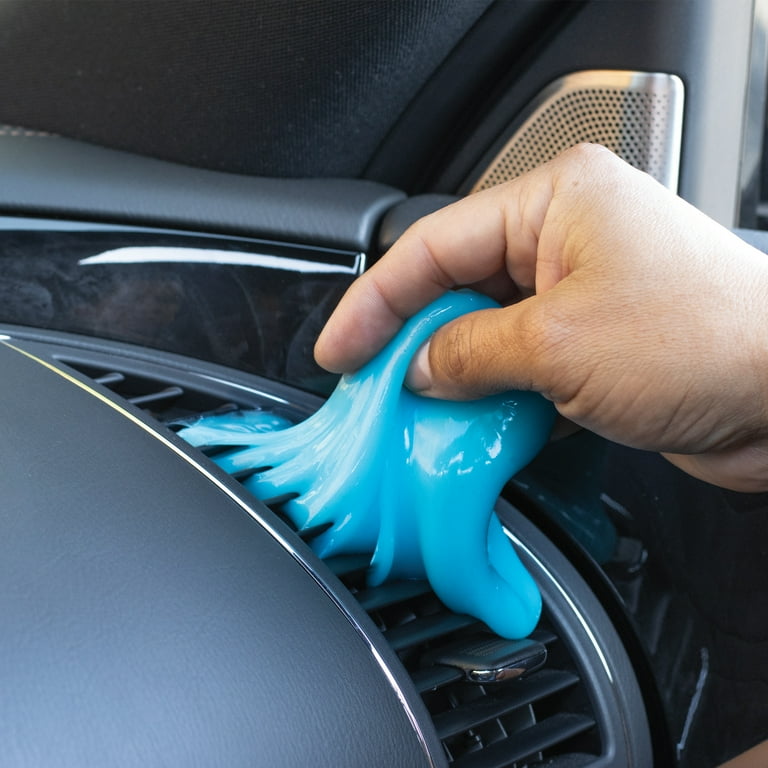
A cloth needs room to move. Car Cleaning Gel does not. You can press it into narrow vents, seams, and small gaps without taking apart the interior.
It is quick to use
A full interior detail can take an hour or more. Car Cleaning Gel can refresh the most visible dusty areas in a few minutes. This makes it useful before work, a road trip, or picking up a guest.
It creates less dust movement
A dry cloth may push dust from one area to another. The gel holds the particles in its surface. This can help reduce loose dust around screens and air vents.
It is reusable
Most quality gels can be used several times. Fold the dirty section inward after each use. Stop when the entire gel changes color, smells unusual, feels greasy, or begins to crumble.
It is easy to store
The small container fits in a glove box, center console, or door pocket. Keep the lid closed to prevent the product from drying out.
It can reduce tool clutter
One small tub may replace several cotton swabs and small brushes for light cleaning. Still, a brush and vacuum remain useful for heavy buildup.

Limitations and Safety Concerns
Car Cleaning Gel has clear limits. It removes loose surface debris, but it does not perform deep cleaning. It cannot replace an upholstery cleaner, leather conditioner, glass cleaner, or proper interior disinfectant.
Do not use it to remove:
- Grease or oil
- Wet spills
- Stuck gum
- Ink marks
- Mold
- Heavy mud
- Sticky drink residue
- Embedded pet hair
- Strong odors
Be careful around delicate areas. Some low quality gels may leave residue on hot plastic, soft touch coatings, leather, or fabric. Never press the gel into exposed electronics, speaker openings, or damaged surfaces.
Always test the product in a hidden spot first. Leave it there for a few seconds, then check for color change, residue, or surface damage. The American Automobile Association and professional automotive detailers commonly recommend testing interior products before broad use, especially on older or coated materials.
One mistake I learned to avoid is leaving Car Cleaning Gel in a hot car. High heat can change its texture and make it oily or runny. Store it in a cool place, and never leave it on the dashboard in direct sunlight.
How to Choose the Best Car Cleaning Gel
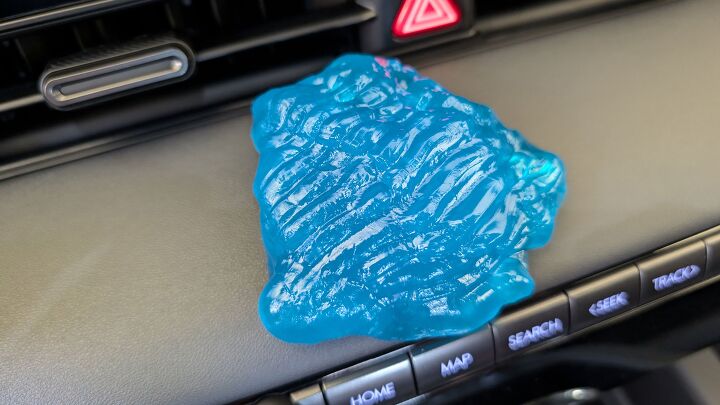
Not every gel has the same texture or strength. A good product should feel soft, hold together well, and pick up dust without leaving a film.
Look for these features:
- A non greasy formula
- A sealed storage container
- A texture that stretches without tearing
- Clear directions for interior surfaces
- Low residue after use
- A mild or fragrance free option
- A color that makes collected dirt easy to see
- Packaging that states the intended use
Avoid products that make strong antibacterial claims without clear testing details. Cleaning and disinfecting are not the same. A gel may collect dust while offering little protection against germs.
Fragrance is another personal choice. A strong scent can seem fresh at first, but it may become unpleasant in a small cabin. If you have allergies or sensitivity to fragrance, choose a fragrance free Car Cleaning Gel.
Price is not the best guide. A costly gel may still leave residue, while a simple product may work well. Read user reviews for comments about heat resistance, crumbling, and surface residue.

How to Use Car Cleaning Gel Correctly
Using Car Cleaning Gel the right way helps protect your interior and extends the product’s life.
Step 1: Remove large debris
Pick up wrappers, coins, food, and other large items first. Use a vacuum for sand, gravel, and heavy dirt.
Step 2: Check the surface
Make sure the area is dry. Look for peeling coatings, cracks, loose buttons, and exposed wires.
Step 3: Start with a small test
Press a small part of the gel onto a hidden area. Lift it after a few seconds and inspect the surface.
Step 4: Press and lift
Use light pressure. Let the gel touch the dusty area, then lift it straight up. Do not scrub.
Step 5: Fold the gel
Fold the used section inward. This gives you a cleaner surface for the next area.
Step 6: Clean in sections
Work from the dashboard down. This keeps falling dust from landing on areas you already cleaned.
Step 7: Store it properly
Return the gel to its container right away. Close the lid firmly and keep it away from heat.
For vents, turn the fan off before cleaning. You do not want loose dust or gel fragments pulled into the ventilation system.

Car Cleaning Gel Compared With Other Cleaning Tools
Each cleaning tool has a different job. Car Cleaning Gel is useful, but it is not the strongest choice for every task.
| Cleaning tool | Best use | Main weakness |
|---|---|---|
| Car Cleaning Gel | Tight gaps and light dust | Poor for grease and stains |
| Microfiber cloth | Dashboards, screens, and broad surfaces | Cannot reach deep gaps well |
| Soft detailing brush | Vents, seams, and textured panels | Can move dust into the air |
| Vacuum | Sand, crumbs, and heavy debris | May not reach narrow seams |
| Interior cleaner | Stains and oily marks | Requires careful product selection |
| Cotton swabs | Tiny buttons and corners | Slow for larger areas |
A microfiber towel is usually safer for screens. Use a clean, dry towel and avoid pressing hard. For leather, follow the vehicle maker’s care instructions. Some leather surfaces have protective coatings that react poorly to household cleaners.
For a full interior clean, use a simple system: vacuum first, brush loose dirt, wipe broad surfaces, and finish with Car Cleaning Gel in the narrow areas.

Common Mistakes to Avoid
Small mistakes can reduce cleaning results or damage interior materials.
- Do not drag the gel across the dashboard.
- Do not use it on wet or oily surfaces.
- Do not press it into open vents or electronic ports.
- Do not leave it in direct sunlight.
- Do not share one dirty piece between clean and greasy areas.
- Do not use it after the product starts to crumble.
- Do not assume a scented gel disinfects the surface.
- Do not apply it to suede, unfinished leather, or delicate fabric without testing.
- Do not use it to lift sharp objects such as broken glass.
- Do not keep using it after it leaves a film.
Another common mistake is trying to clean too much at once. A gel works best on light dust. If the surface is heavily dirty, clean it with the correct product first. Then use the Car Cleaning Gel for the final touch.
How Often Should You Use Car Cleaning Gel?
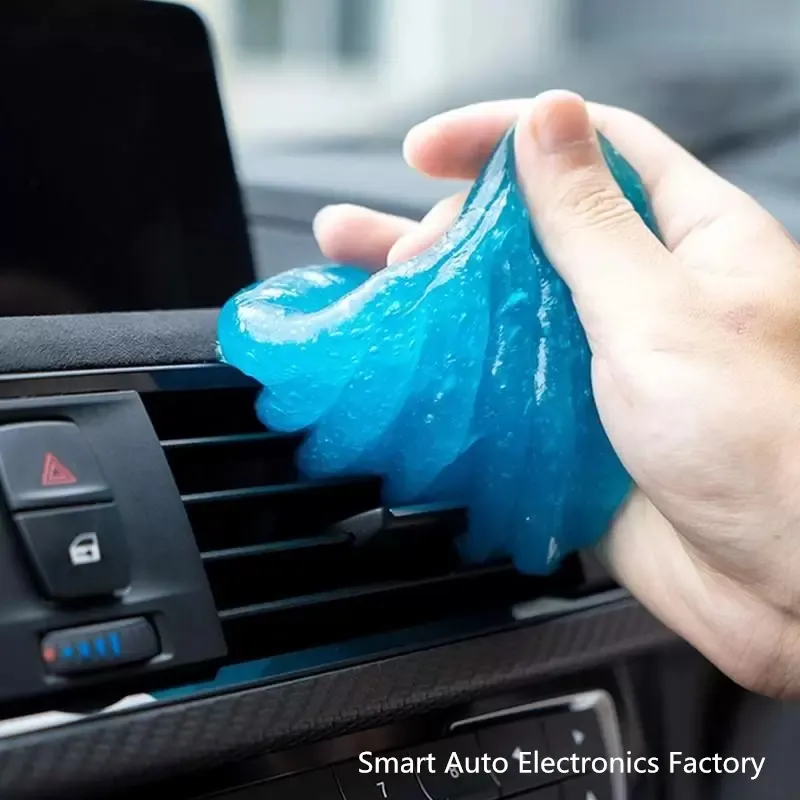
You can use Car Cleaning Gel whenever dust builds up in small spaces. For most drivers, once every one or two weeks is enough for the vents, console, and dashboard seams.
Drivers who eat in the car, carry pets, or travel on dusty roads may need it more often. A quick five minute clean each week is easier than waiting until dirt becomes packed into every gap.
Use a deeper cleaning routine every few months. That routine should include vacuuming seats and floors, wiping hard surfaces, cleaning windows, and checking under the seats.
Your climate also matters. Dry areas create more dust, while humid areas may encourage odors and residue. Adjust your cleaning schedule based on the condition of your vehicle rather than a fixed calendar.
Personal Tips From Real World Use
The biggest lesson is to use less pressure than you think. I once pushed a gel too hard into a vent, and a small piece broke off. It took more time to remove the fragment than the original dust would have taken to clean with a soft brush.
I also found that cool gel performs better than warm gel. After sitting in a hot trunk, some products become soft and leave a slight film. Let the product return to room temperature before using it.
A light colored gel makes dirt easier to see. This helps you know when to fold it or replace it. If you detail cars for family members, label the container so it does not get used on greasy workshop surfaces.
My preferred routine is simple:
- Vacuum the floor and seats.
- Wipe the dashboard with a suitable microfiber towel.
- Use a soft brush around vents and buttons.
- Finish with Car Cleaning Gel in narrow gaps.
- Inspect the surface in natural light.
This method saves time and gives a cleaner result than using the gel alone.
Frequently Asked Questions About Car Cleaning Gel
Is Car Cleaning Gel safe for car interiors?
Car Cleaning Gel is usually safe for hard, sealed interior surfaces when used as directed. Test it first on a hidden area, and avoid wet, damaged, heated, or delicate materials.
Can Car Cleaning Gel clean air vents?
Yes, it can collect light dust from the outside edges and slats of air vents. Turn the fan off, press gently, and avoid pushing the gel deep inside the vent.
Does Car Cleaning Gel remove germs?
Car Cleaning Gel may collect some dirt and particles, but it should not be treated as a disinfectant unless the label provides verified testing. Use an approved interior disinfectant when germ control is necessary.
Can you wash Car Cleaning Gel?
Most Car Cleaning Gel products are not designed to be washed. Water may change the texture, weaken the formula, or make it unusable, so follow the care instructions on the package.
How long does Car Cleaning Gel last?
Its life depends on how much dirt it collects and how often you use it. Replace it when it becomes dark, greasy, crumbly, unusually soft, or unable to pick up dust.
Can Car Cleaning Gel be used on a car screen?
It is safer to use a clean, dry microfiber cloth on touchscreens and display panels. If you use gel nearby, keep it away from screen edges, openings, and sensitive coatings.
Is Car Cleaning Gel good for pet hair?
It can pick up a small amount of loose pet hair from hard surfaces. A vacuum, rubber brush, or pet hair tool usually works better on seats, carpets, and fabric.
Conclusion
Car Cleaning Gel is a handy tool for removing light dust, crumbs, and debris from the small spaces that cloths often miss. It works best on dry, sealed surfaces and should be used with gentle pressing rather than rubbing. It cannot replace a vacuum, interior cleaner, or disinfectant, but it can make quick car care much easier.
Choose a low residue product, test it first, keep it away from heat, and replace it when its texture changes. Add Car Cleaning Gel to a simple routine with a vacuum and microfiber towel, then enjoy a cleaner cabin with less effort. Try these tips during your next interior clean, and share your favorite car care method in the comments.