How To Use Snow Brush For Car: Safe Winter Tips
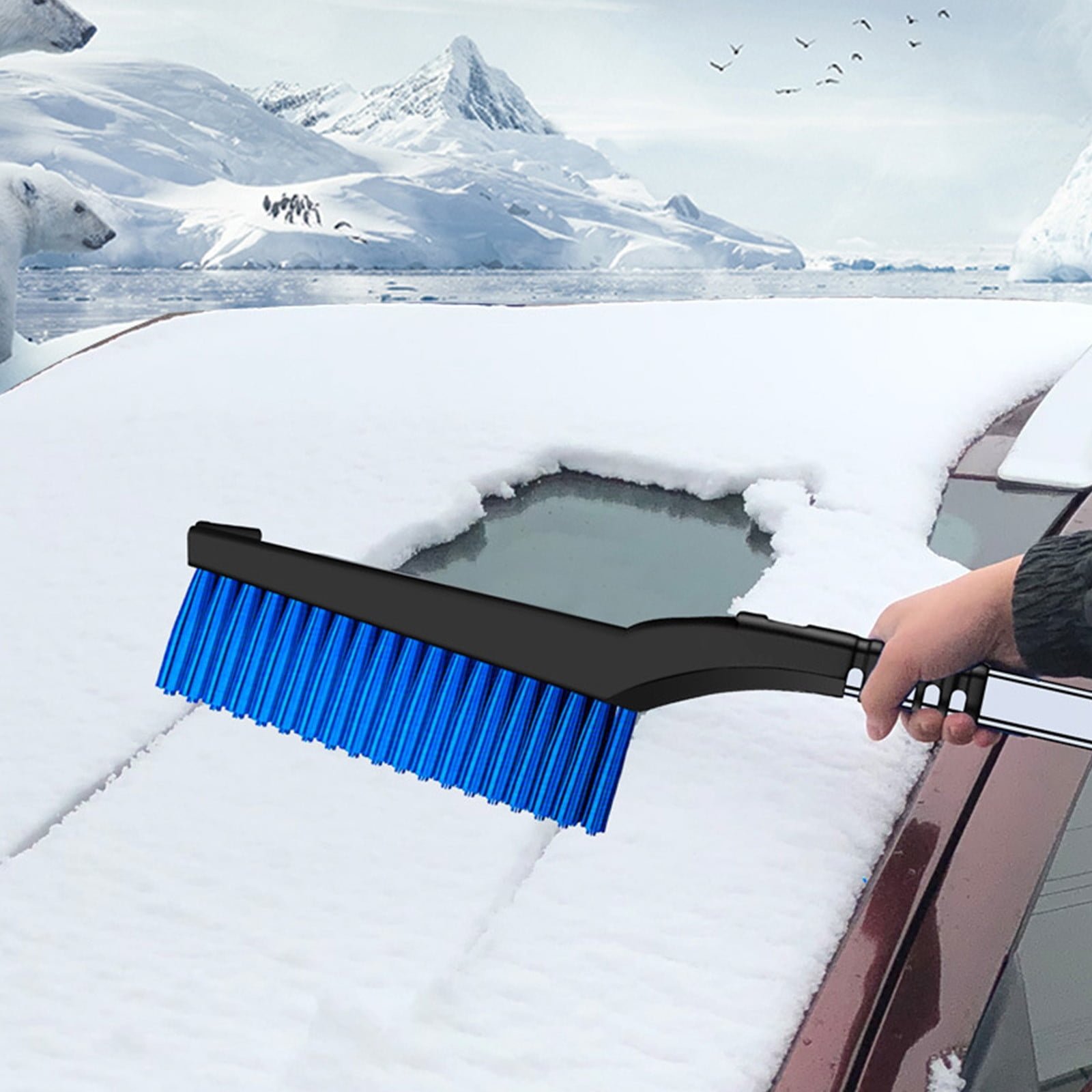
To use a snow brush for your car, start the engine and turn on the defroster if safe. Then clear the roof, windows, hood, trunk, lights, mirrors, and license plates with a soft brush. Use the scraper edge only on glass, never on painted panels. Brush gently in one direction, remove snow from the vehicle, and clear the exhaust pipe before driving.
In the United States, winter snow can block your view, cover lights, and slide onto other vehicles as you drive. A few careful minutes with the right snow brush can help prevent crashes, paint damage, and frozen wiper problems.

What You Need Before You Start
You need a snow brush with soft bristles, a plastic ice scraper, warm gloves, and a clear place to pile the snow. A long-handled brush helps reach the roof of an SUV, pickup truck, or crossover without leaning on the vehicle.
Choose a brush made for cars. Avoid household brooms with stiff bristles. They may drag grit across the paint and leave fine scratches.
A useful winter car kit may include:
- A soft snow brush
- A plastic ice scraper
- Windshield washer fluid rated for freezing weather
- Warm gloves
- A small flashlight
- A cloth for cleaning the inside of windows
- A folding shovel for deep snow
- Tire chains or traction devices when required for your route
Check your owner’s manual before using heated mirrors, windshield wipers, or a remote-start system. Controls differ by vehicle.
Brush features that matter
Look for these features:
- Soft, flexible bristles: These lift snow without pressing hard against the paint.
- A rubber squeegee: This can help move loose slush from glass.
- A plastic scraper: Use it on glass only.
- A telescoping handle: This helps reach tall roofs.
- A foam or rubber grip: This is easier to hold with gloves.
- A brush head that locks in place: A loose head can twist and scratch the car.
A foam snow broom can work well for loose snow. Still, keep the pressure light. No brush should be used as a tool to chip thick ice.
How to Use a Snow Brush Step by Step
Clear your car in a set order. Start at the top and work down. This keeps snow from falling onto areas you have already cleaned.
1. Make sure the area is safe
Before you begin, check for traffic, ice, falling branches, and deep snow around the car. If the vehicle is in a garage, open the garage door before starting the engine. Never warm up a car in a closed garage because carbon monoxide can build up quickly.
Remove loose snow from around the tailpipe. If snow blocks the exhaust, move the car outdoors only after the pipe is clear.
2. Start the defroster
Start the car only when it is safe and legal to do so. Set the climate system to defrost. Use a low or moderate heat setting at first if the windshield is fully iced over.
Do not depend on the heater alone. A defroster may soften ice, but it will not safely remove heavy snow from the roof or hood. Use the brush for snow and the scraper for softened ice.
If the windshield wipers are frozen to the glass, do not turn them on. Free the blades first. Running stuck wipers can damage the wiper motor, linkage, or rubber blades.
3. Brush the roof first
Stand beside the vehicle. Push the brush from the center of the roof toward the far side, away from you. Then pull the snow toward your side and clear it onto the ground.
Use light, steady strokes. Do not pound the brush into packed snow. If the snow is wet or heavy, remove it in smaller sections.
Clearing the roof matters because loose snow can slide over the windshield while you drive. It can also blow onto vehicles behind you. Some states and local areas may have rules about driving with snow or ice on a vehicle, so check local requirements when needed.
4. Clear the windows
Brush snow from the windshield, rear window, and side windows. Use the bristle side first. If ice remains, hold the plastic scraper at a low angle and push it across the glass.
Work from the edges toward the center. This helps loosen ice without forcing the scraper into a frozen seal.
Never use the scraper on:
- Painted doors
- The hood
- The roof
- Plastic trim
- Rubber seals
- Headlight lenses
- Camera covers
Use a scraper designed for automotive glass. A metal tool, knife, key, or shovel can scratch glass and damage trim.
5. Clean the hood and trunk
Brush the hood and trunk from the center toward the edges. Clear snow from the gaps near the windshield, trunk lid, and hood latch.
Do not push a large pile of wet snow across the paint. Lift or sweep it away in smaller amounts. If road grit is mixed into the snow, extra pressure can drag that grit over the finish.
6. Clear the lights, mirrors, and cameras
Remove snow and ice from:
- Headlights
- Brake lights
- Turn signals
- Side mirrors
- Backup cameras
- Parking sensors
- Front radar sensors
Driver-assistance systems may not work as intended when cameras or sensors are blocked. A clean windshield alone does not solve this problem.
Use a soft brush on light lenses and sensor covers. If ice remains, let the vehicle’s approved heating system soften it. Do not scrape sensor covers with a sharp object.
7. Free the doors and handles
Brush snow away from the door seams and handles. Do not force a frozen door open. Pulling hard can damage the handle, latch, or weather seal.
If a door seal is frozen, use a product made for automotive rubber seals or follow the vehicle maker’s instructions. Do not pour boiling water over the door. The water can refreeze and may damage glass or trim.
8. Clear the wheels and exhaust area
Remove packed snow from the wheel wells if it rubs against the tires. Clear the tailpipe before driving. Also check that snow has not blocked the front grille or radiator opening.
Do not crawl under a vehicle supported only by a jack. If deep snow surrounds the car, use a shovel from the side and keep your hands away from moving parts.
9. Check your work before driving
Sit in the driver’s seat and confirm that you can see through every window. Check both side mirrors and the rear window.
Make sure:
- The windshield is clear from edge to edge.
- Side windows are clear enough for safe lane checks.
- Headlights and brake lights are visible.
- The license plate is readable.
- The roof is free of loose snow.
- The hood and trunk are not covered by a shifting layer.
- The exhaust pipe is open.
- The wipers move freely.
Drive only after the vehicle is fully clear.

The Best Brushing Technique for Each Car Surface
The right movement depends on the surface and the type of snow. Loose powder needs little force. Wet snow and frozen slush need patience.
| Vehicle area | Tool | Best movement | Main caution |
|---|---|---|---|
| Roof | Soft snow brush | Push snow toward an open side | Do not press hard or lean on the car |
| Windshield | Brush, then plastic scraper | Sweep first; scrape in short strokes | Never use a metal scraper |
| Side windows | Brush and scraper | Work from the edges inward | Avoid rubber seals |
| Hood and trunk | Soft brush | Sweep toward the edges | Grit can scratch paint |
| Headlights | Soft brush | Light, short strokes | Do not use a sharp scraper |
| Mirrors | Soft brush or approved heater | Brush gently | Do not force frozen glass |
| Camera and sensors | Soft brush or manual guidance | Remove snow without pressure | Do not scrape sensor covers |
| Wheel wells | Brush or shovel | Remove packed snow from the outside | Do not reach near moving parts |
Loose powder snow
Loose, dry snow is the easiest to remove. Use long, gentle strokes. Start at the highest point and move downward.
Avoid sweeping snow back and forth over the same area. Each extra pass may move trapped grit across the paint.
Wet, heavy snow
Wet snow can be heavy enough to strain a long brush. Break it into smaller sections. Push it off the roof in shallow layers instead of trying to move the full load at once.
If you drive a large SUV or truck, stand on the ground. Do not climb onto the bumper, running board, or roof. These areas may be icy and may not support your weight.
Hard ice
A snow brush is not an ice chisel. Let the defroster soften the ice, then use a plastic scraper on glass. Hold the scraper at a shallow angle and use controlled strokes.
If ice will not release, add more defrost time. Forcing it can scratch the glass or break a wiper blade.

Common Snow Brush Mistakes to Avoid
The most common mistakes involve too much force, the wrong tool, or leaving part of the vehicle covered.
Using a household broom
A household broom may have stiff, rough fibers. It can also hold sand and grit from a garage floor. Use a brush made for vehicle surfaces instead.
Scraping the paint
Plastic ice scrapers are made for glass. They are not meant for paint. Even plastic can damage a surface if you push hard against grit or ice.
For painted panels, use only a soft brush. If ice has bonded to the paint, let it thaw naturally or follow the vehicle maker’s care guidance.
Pouring hot water on the windshield
Hot water can cause rapid temperature changes in cold glass. It may also refreeze on the windshield, wipers, doors, or mirrors.
Use the vehicle’s defroster and a plastic scraper instead. Winter-rated washer fluid can help remove light frost, but it is not a substitute for clearing heavy ice.
Leaving snow on the roof
Snow on the roof may slide forward when you brake. It can cover the windshield at the worst moment. It may also blow onto another driver’s windshield.
Clear the roof before driving, even when the snow seems light.
Turning on frozen wipers
Frozen wipers can tear, bend, or overload the wiper motor. Lift them only if the vehicle maker allows it. Otherwise, thaw the blades with the defroster.
Do not use the wipers to clear snow. The brush should remove snow first.
Brushing with too much pressure
Pressure does not make a brush work better. It can grind sand into the paint. Let the bristles lift the snow. Use more time, not more force.
Clearing only the windshield
A clear windshield is not enough. Side windows, mirrors, lights, cameras, sensors, and the roof also affect safe driving.

What to Do When Snow or Ice Will Not Come Off
If the brush fails, identify the problem before applying more force.
Snow is packed and heavy
Use the brush to break the load into smaller sections. Clear the roof first, then the glass and body panels. A small plastic shovel may help with deep, loose snow, but keep it away from paint and glass.
Ice is bonded to the glass
Turn on the defroster and wait. Then use a plastic scraper with short strokes. Keep the scraper flat enough to avoid digging into the glass.
Do not use a knife, metal shovel, credit card, or sharp tool.
The door is frozen shut
Try another door if one is free. Do not yank the handle. Brush around the seams and use a product intended for frozen automotive seals if the owner’s manual permits it.
If the lock is frozen, use a lock de-icer made for vehicles. Do not pour water into the lock.
Snow is blocking a camera or sensor
Remove the snow with a soft brush or clean, dry cloth. If the warning remains after the area is clear, follow the vehicle manual. Some systems may stay disabled until the vehicle is restarted or conditions improve.
The vehicle is buried
Clear space around the tires and exhaust first. Use a shovel from outside the vehicle. If the car is stuck, avoid spinning the tires for long periods. Call roadside assistance when digging is unsafe or the vehicle cannot move without risk.
How to Protect Your Car After Winter Snow
A few habits can make the next storm easier.
Keep the snow brush and scraper inside the passenger area when possible. If they are locked in the trunk, you may not be able to reach them when the trunk is frozen shut.
Before a storm, close the doors, windows, and sunroof. Fold mirrors only if the vehicle maker allows it and the mirror design supports it. Check that the wipers are not left in a position where they can freeze against the glass.
After winter weather, wash off salt and road grit when conditions allow. Pay attention to the wheel wells and lower body panels. Dry door seals and apply only products approved for automotive rubber.
Replace a brush when its bristles become hard, bent, or packed with dirt. A damaged brush can do more harm than a clean, soft one.

Key Takeaways
- Use a soft snow brush on painted surfaces.
- Use a plastic scraper on glass only.
- Clear the roof before driving.
- Do not use hot water on frozen windows.
- Never force frozen wipers, doors, or mirrors.
- Clear headlights, brake lights, cameras, sensors, and the exhaust pipe.
- Use patience instead of pressure when ice is stuck.
- Open a garage door before starting the engine.
Frequently Asked Questions
Can a snow brush scratch a car?
It can if the bristles are stiff, dirty, or used with heavy pressure. Grit trapped in the brush can also scratch paint. Choose soft bristles, keep the brush clean, and sweep gently in one direction.
Should I brush snow off my car before starting it?
You may start the vehicle first if it is outdoors and safe to do so. Turn on the defroster while you clear the snow. Never run a vehicle in a closed garage, even if the garage door is partly open.
Can I use a snow brush on the windshield?
Yes. Use the brush to remove loose snow. Use the plastic scraper edge for ice. Do not use a metal scraper or press hard against frozen glass.
What is the safest way to remove ice from a car?
Use the defroster to soften the ice, then remove it with a plastic scraper. Do not use boiling water, a knife, or a shovel on the glass or paint.
Do I need to clear snow from the roof?
Yes. Snow can slide onto the windshield, cover your view, or blow onto another vehicle. Clearing the roof is part of preparing the car for safe travel.
Final Recommendation
Use your car snow brush from top to bottom: roof, windows, hood, trunk, lights, mirrors, sensors, and wheel areas. Keep the pressure light, use the scraper only on glass, and clear the exhaust before moving the vehicle. If ice remains, wait for the defroster rather than forcing it.