
How To Use A Digital Tire Pressure Gauge: Easy Guide
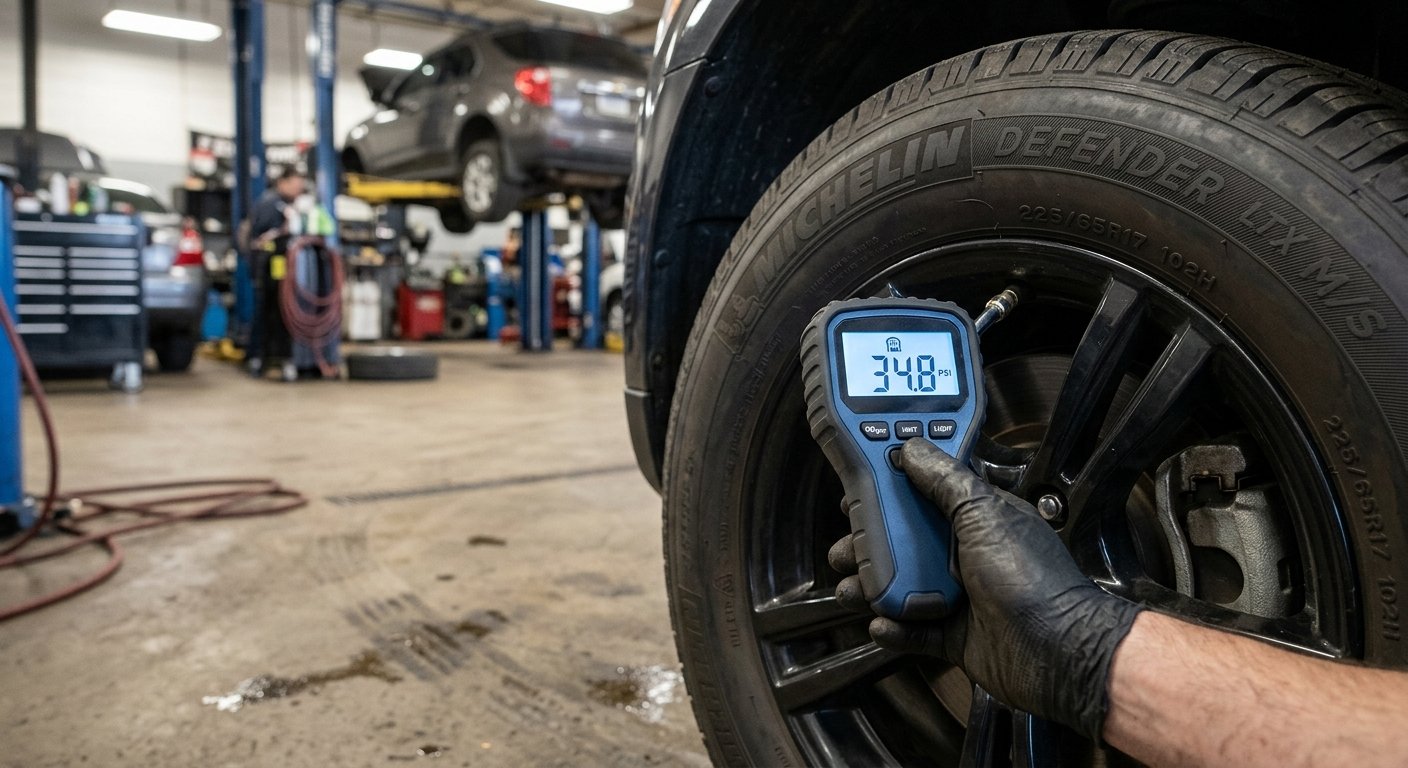
To use a digital tire pressure gauge, remove the valve cap, press the gauge firmly, and read the display.
Knowing how to use a digital tire pressure gauge helps you check tire pressure with speed and confidence. Correct pressure supports safe handling, even tread wear, better fuel economy, and longer tire life. In my own garage checks, the biggest errors came from measuring hot tires or failing to seal the gauge against the valve stem. This guide explains each step, common mistakes, accuracy tips, and when to add or release air.

Why Correct Tire Pressure Matters
Your tires are the only parts of your vehicle that touch the road. A small pressure change can affect steering, braking, comfort, and fuel use.
Underinflated tires flex more than they should. This creates extra heat and can damage the tire. It also increases rolling resistance, which may reduce fuel economy.
Overinflated tires can make the ride harsh. They may also reduce the tire’s contact area with the road. This can affect grip, especially on wet pavement.
Correct tire pressure can help you:
• Maintain stable handling
• Improve braking response
• Reduce uneven tread wear
• Support better fuel economy
• Lower the chance of tire damage
Your vehicle’s correct pressure is usually listed on a label inside the driver’s doorjamb. It may also appear in the owner’s manual. Use this number instead of the maximum pressure printed on the tire sidewall. The sidewall number is the tire’s maximum rated pressure, not always the vehicle’s recommended setting.

What Is a Digital Tire Pressure Gauge?
A digital tire pressure gauge is a small tool that measures air pressure inside a tire. It shows the result on an electronic screen, usually in pounds per square inch, or PSI.
Most digital gauges include:
• A pressure sensor
• A nozzle that fits over the valve stem
• A digital display
• A power button or automatic start feature
• A unit selector for PSI, kPa, BAR, or kg/cm²
Digital gauges are popular because they are easy to read. Many also beep or lock the reading on the screen. Still, no gauge is perfect. Low batteries, poor seals, dirt, and extreme temperatures can affect the result.
A good gauge should fit the valve stem firmly without leaking air. Keep it clean and store it in a dry place. If the tool has a replaceable battery, carry a spare in your glove box or tool kit.

How to Use a Digital Tire Pressure Gauge Step by Step
Learning how to use a digital tire pressure gauge is simple. The key is to measure at the right time and create a firm seal.
1. Check the tires when they are cold
Measure tire pressure before driving, if possible. A cold tire has not been warmed by road friction or sunlight.
The National Highway Traffic Safety Administration recommends checking pressure when tires are cold. As a practical rule, check them after the vehicle has been parked for at least three hours. If you must drive first, keep the trip short and allow the tires to cool.
Do not measure right after a long highway drive and then release air. Warm tires naturally show a higher reading.
2. Find the recommended PSI
Open the driver’s door and look for the tire information label. It often lists separate pressures for front and rear tires.
Check whether the vehicle is heavily loaded. Some vehicles have a different recommendation for a full passenger or cargo load. Follow the label and owner’s manual.
3. Turn on the gauge
Press the power button if the gauge does not start automatically. Select PSI unless your vehicle information uses another unit.
Avoid switching between units by mistake. A reading of 2.4 BAR is about 35 PSI, but the numbers look very different. Confirm the unit before adding or releasing air.
4. Remove the valve cap
Unscrew the small cap from the tire valve stem. Place it somewhere safe, such as your pocket or the top of the tire.
The valve cap helps keep out dirt and moisture. It does not hold the tire’s air pressure by itself, so replace it after measuring.
5. Press the gauge onto the valve stem
Hold the gauge straight and press the nozzle firmly onto the valve stem. You should hear a short hiss as the tool makes contact, but the sound should stop quickly.
A steady hiss means the seal is poor. Adjust the angle and press more firmly. Do not hold the gauge on the valve for a long time if air is escaping.
6. Read the digital display
Wait for the number to settle. A stable reading is more useful than the first number that flashes on the screen.
Record the pressure if you are checking all four tires. This helps you spot a slow leak. For example, if one tire reads 26 PSI while the other three read 35 PSI, inspect that tire soon.
7. Compare the reading with the target
Compare each reading with the number on the vehicle placard. Do not compare it with the tire’s maximum sidewall pressure.
If the pressure is low, add air in small amounts. If it is high, use the gauge’s release button if it has one, or briefly press the valve pin with a suitable tool.
8. Measure again
After adding or releasing air, check the tire again. Repeat until the pressure matches the recommended setting.
Replace the valve cap when finished. Then check the other tires, including the spare if your vehicle has one.
This process shows exactly how to use a digital tire pressure gauge without rushing. A full check often takes only a few minutes.

How to Add Air After Measuring
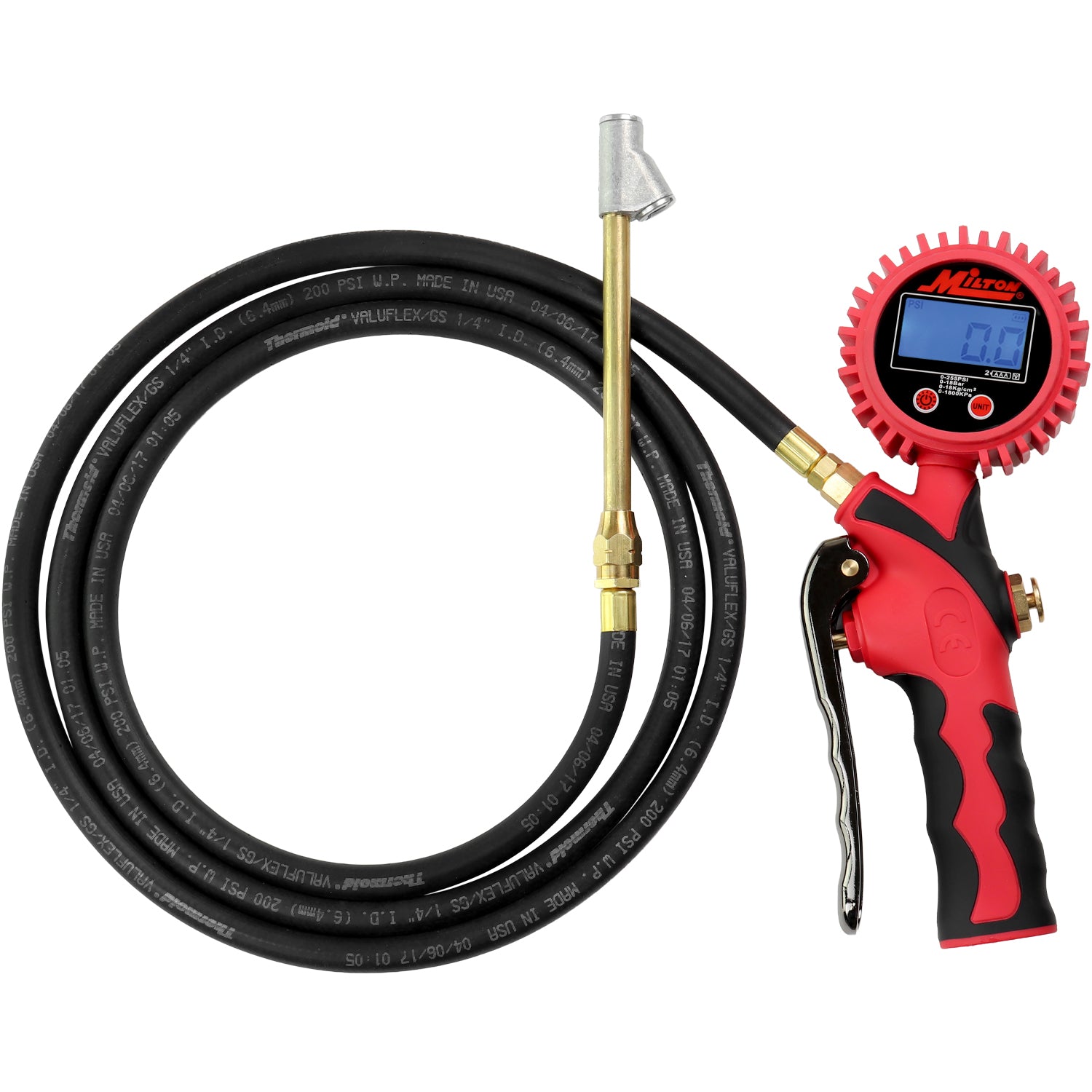
A digital tire pressure gauge tells you the pressure, but it may not inflate the tire. You may need an air compressor, portable inflator, or service station pump.
Use this process:
-
Connect the inflator to the valve stem.
-
Add air for a few seconds.
-
Remove the inflator or stop the pump.
-
Check the pressure with the digital gauge.
-
Add more air if needed.
Small adjustments are best. Adding too much air and releasing it wastes time, and repeated pressure changes can make the reading less consistent.
Some modern inflators include a built-in digital gauge. Even then, I prefer checking the final pressure with a separate gauge when accuracy matters. In my experience, built-in readings can vary between tools, especially when the hose connection is loose.

How to Get an Accurate Reading
Correct technique makes a major difference. Follow these tips when learning how to use a digital tire pressure gauge:
• Keep the gauge clean. Dirt around the nozzle can prevent a proper seal.
• Check the battery. A weak battery may cause a dim display or unstable readings.
• Hold the gauge straight. A tilted nozzle can leak air.
• Use the same gauge for all tires. This reduces differences between tools.
• Measure in the shade when possible. Direct sun can warm the tire.
• Avoid measuring immediately after driving.
• Check the spare tire every few months.
• Compare unusual readings with a second quality gauge.
A digital gauge should be accurate enough for normal vehicle care, but it is still a measuring tool. If you suspect a serious problem, ask a tire professional to inspect the tire and valve.

Common Mistakes to Avoid
Many tire pressure errors come from small habits rather than faulty equipment.
Using the sidewall pressure
The maximum PSI on the sidewall is not the normal pressure for your vehicle. Use the doorjamb label or owner’s manual instead.
Checking hot tires
Heat increases air pressure inside the tire. Releasing air from a hot tire can leave it underinflated after it cools.
Pressing at the wrong angle
A poor connection creates a hiss and may produce a low reading. Keep the gauge aligned with the valve stem.
Ignoring the spare tire
A spare can lose air while sitting unused. A flat spare is not much help during a roadside emergency.
Trusting the dashboard alone
The tire pressure monitoring system, or TPMS, is useful for warnings. However, it may not show the exact pressure, and some systems do not alert you until pressure is already significantly low.
Measuring only one tire
Pressure can vary across all four tires. Check each tire and compare the results with the vehicle placard.
One lesson I learned early was to avoid checking pressure in a hurry at a gas station after driving across town. The tires were warm, the readings were higher, and I had to repeat the check the next morning. A calm cold-tire check is usually more reliable.

Digital Gauge Accuracy and Calibration
Most quality digital tire pressure gauges provide useful readings for everyday drivers. However, accuracy can change with age, impact, temperature, and battery condition.
Watch for these warning signs:
• The display changes sharply each time you measure
• The gauge shows pressure when it is not connected
• Two readings differ widely within seconds
• The nozzle leaks air
• The tool was dropped or stored in extreme heat
You can compare your gauge with another trusted gauge. Measure the same cold tire with both tools. A small difference may be normal, but a large or repeated difference suggests that one tool needs service or replacement.
Professional tire shops may use calibrated equipment. If you manage a fleet, work on performance vehicles, or need highly precise readings, consider a gauge with a stated accuracy rating and calibration support.
How Often Should You Check Tire Pressure?
Check tire pressure at least once each month and before long trips. Seasonal temperature changes also make regular checks important.
As a general rule, tire pressure changes by about 1 PSI for every 10-degree Fahrenheit change in temperature. The exact change can vary, but the idea is simple: colder weather usually lowers pressure, while warmer weather raises it.
Check pressure more often when:
• The vehicle carries heavy loads
• You drive long highway distances
• Temperatures change quickly
• A tire has been repaired
• The vehicle sits unused for weeks
• You notice uneven tread wear
A slow leak may come from a puncture, valve stem, wheel damage, or bead seal. If one tire repeatedly loses pressure, adding air is only a temporary fix. Have the tire inspected.

Understanding PSI, BAR, and kPa
Digital gauges may display several pressure units. PSI is most common in the United States.
• PSI means pounds per square inch.
• BAR is a metric pressure unit.
• kPa means kilopascals.
You may see these conversions:
• 30 PSI is about 2.07 BAR or 207 kPa.
• 35 PSI is about 2.41 BAR or 241 kPa.
• 40 PSI is about 2.76 BAR or 276 kPa.
Use the unit shown on your vehicle label. If the label lists PSI, set the gauge to PSI. This avoids conversion mistakes.
Safety Tips for Tire Pressure Checks
Tire pressure checks are usually safe, but tires contain stored energy. Use care when inspecting them.
Do not inflate a visibly damaged tire. Signs of concern include bulges, deep cuts, exposed cords, or severe sidewall damage.
Do not remove a tire from its wheel unless you have the right tools and training. A tire shop should handle serious damage, bead problems, and suspected internal failures.
When using an air compressor:
• Keep your face and hands away from the valve connection.
• Follow the compressor’s instructions.
• Add air in short bursts.
• Never exceed the vehicle maker’s recommended pressure during normal use.
Knowing how to use a digital tire pressure gauge helps you spot problems early, but the gauge cannot replace a full tire inspection.
Frequently Asked Questions About How to Use a Digital Tire Pressure Gauge
Do I check tire pressure when the tires are hot or cold?
Check tire pressure when the tires are cold. Ideally, the vehicle should sit for about three hours or be driven only a short distance before testing.
What PSI should I use for my tires?
Use the pressure listed on the driver’s doorjamb label or in the owner’s manual. Do not use the maximum PSI printed on the tire sidewall as the normal target.
How do I know if my digital tire pressure gauge is accurate?
Compare it with another trusted gauge on the same cold tire. If the readings differ greatly or change without reason, replace the battery or have the gauge checked.
Can a digital tire pressure gauge let air out?
Some models include a pressure-release button. If yours does not, briefly press the valve pin with a proper tool, then measure again.
Should I check the spare tire?
Yes. Check the spare every few months and before a long trip. Spare tires often lose pressure while sitting unused.
Why does my gauge show different readings each time?
A poor seal, tilted nozzle, warm tires, low battery, or a damaged valve can cause changing readings. Press the gauge straight onto the valve stem and test again.
Is a TPMS warning light a replacement for a pressure gauge?
No. TPMS provides a helpful warning but may not show the exact pressure. Use a digital tire pressure gauge to measure each tire directly.
Conclusion
Using a digital tire pressure gauge is quick once you follow the right routine: check cold tires, find the vehicle’s recommended PSI, create a firm seal, read the display, and adjust pressure in small steps. Check all tires, inspect for leaks, and replace each valve cap when finished.
Make tire pressure checks part of your monthly car care routine and always check before a long trip. Keep a reliable digital gauge in your vehicle, and share your own tire care tips or questions in the comments.