
How To Use Portable Car Vacuum Cleaner: Easy Guide

Use a portable car vacuum cleaner by charging it, choosing the right nozzle, and cleaning the car from top to bottom.
Learning how to use a portable car vacuum cleaner is simple, but good results depend on technique. The right order helps you remove dust, crumbs, pet hair, sand, and hidden dirt without pushing debris deeper into the seats or carpet. This guide explains each step, common mistakes, safety tips, and practical ways to keep your car cleaner for longer.
What Is a Portable Car Vacuum Cleaner?
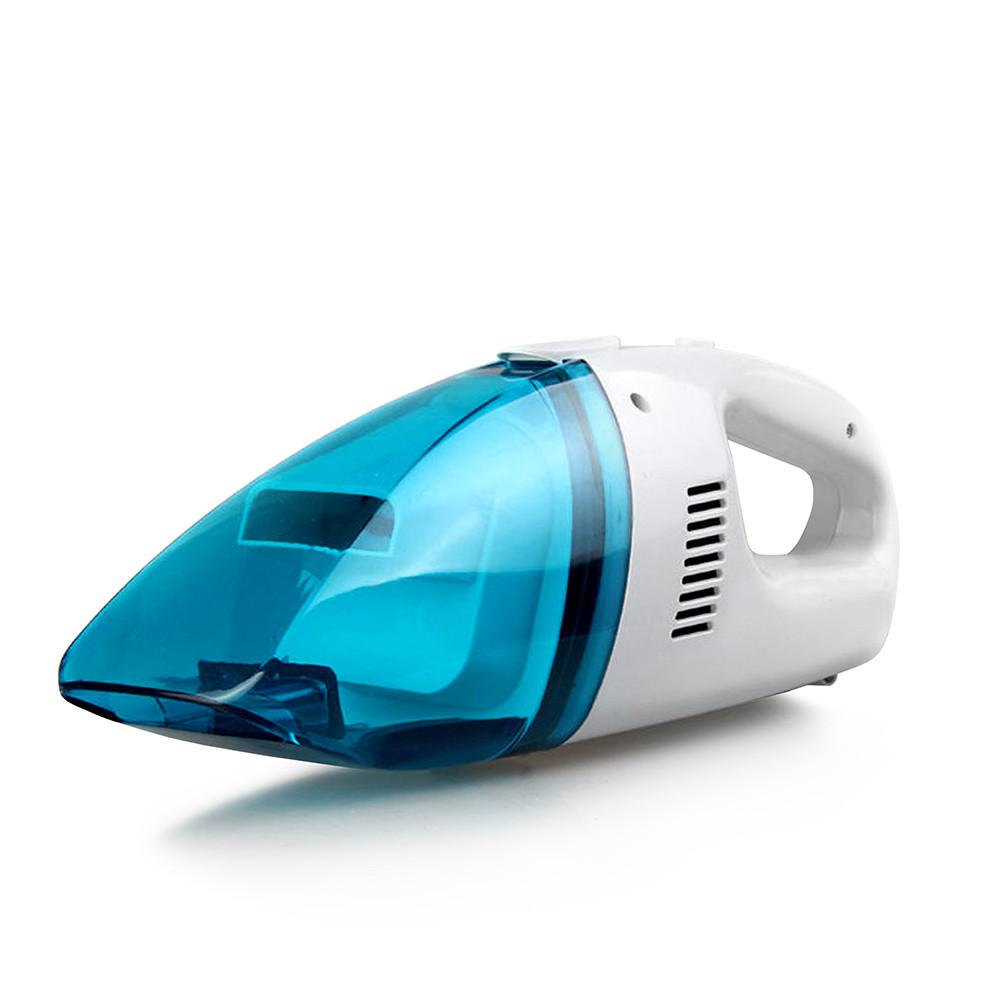
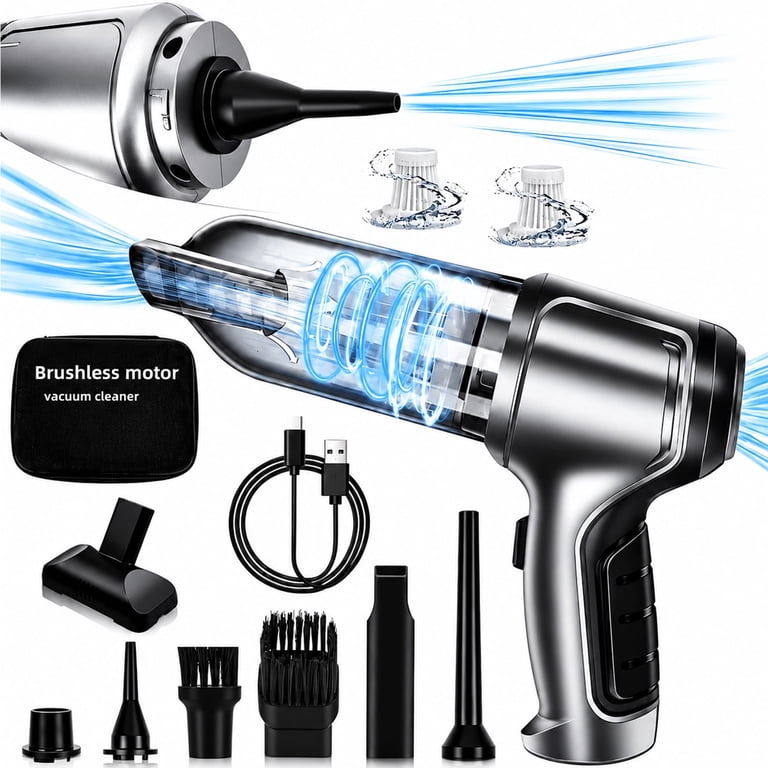
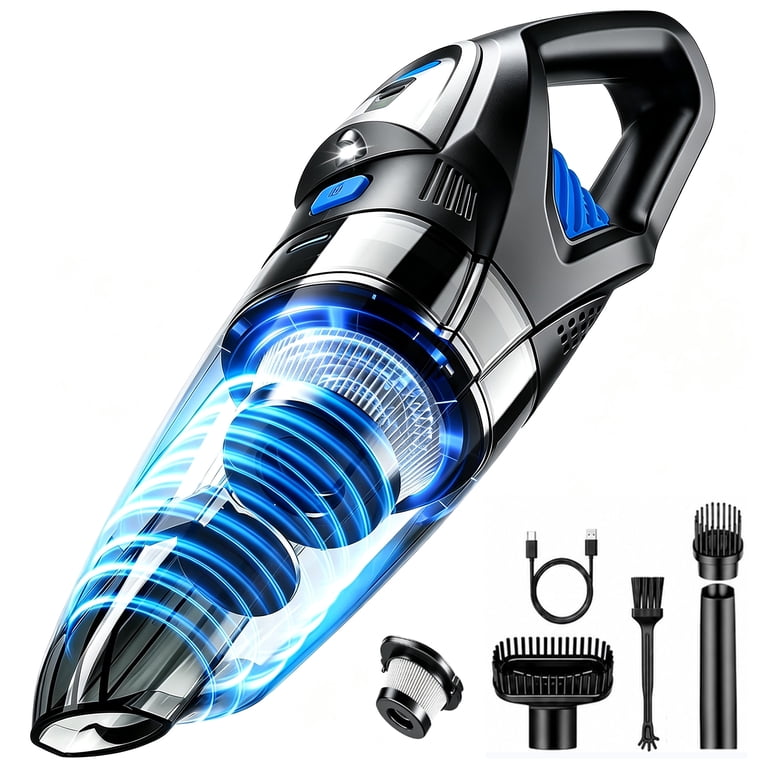
A portable car vacuum cleaner is a small vacuum made for quick cleaning in vehicles. It may use a rechargeable battery, a 12-volt car outlet, or a household power cord. Most models include a crevice tool, brush nozzle, extension tube, or wide cleaning head.
Unlike a full-size home vacuum, a portable car vacuum cleaner is designed to fit into narrow spaces. You can use it between seats, under floor mats, around cup holders, and inside door pockets.
These vacuums are useful for routine cleaning, but they have limits. Small models may not have the suction power or dust capacity of a shop vacuum. They work best when you remove large objects first and clean small areas in regular sessions.

What to Do Before Using a Portable Car Vacuum Cleaner
Preparation makes the cleaning process faster and protects the vacuum. Before you switch it on, inspect the car and the device.
Follow these steps:
- Park the car in a safe, open place with enough light.
- Turn off the ignition and remove the key.
- Open the doors or windows if the weather allows.
- Take out trash, toys, bottles, floor mats, and other loose items.
- Check the vacuum battery or power cord.
- Empty the dust cup if it is nearly full.
- Inspect the filter and make sure it is installed correctly.
- Select the nozzle that matches the area you want to clean.
Do not vacuum coins, screws, glass, or other sharp objects unless the manufacturer says the vacuum can handle them. These items can damage the hose, fan, filter, or dust cup.
If you use a corded 12-volt model, keep the cable away from the pedals and door hinges. A loose cable can become a driving hazard if you forget to remove it.
How to Use a Portable Car Vacuum Cleaner Step by Step
The best method is to clean from the top of the cabin downward. This allows loose dust to fall onto lower surfaces, which you clean last.
1. Remove large debris by hand
Pick up wrappers, leaves, stones, and other large pieces before vacuuming. A vacuum is not a trash can, and large objects may block the intake.
Check seat rails, door pockets, and the space below the pedals. These areas often hide items that can jam a small portable car vacuum cleaner.
2. Start with the dashboard and upper panels
Use a soft brush attachment on the dashboard, air vents, center console, and door trim. Move slowly so the brush can lift dust instead of spreading it.
Be careful around electronic screens, buttons, and vents. Do not force the nozzle into delicate controls. For loose dust in vents, a soft detailing brush can help loosen debris before the vacuum collects it.
3. Clean the seats
Use the correct attachment for your seat material. A brush tool works well on fabric seats because it lifts crumbs and hair. Use a soft nozzle on leather or synthetic leather to reduce the chance of scratches.
Move the nozzle in short, overlapping passes. Pay special attention to seams, folds, and the gap between the seat back and cushion.
For pet hair, suction alone may not work well. Loosen the hair with a rubber pet hair tool, fabric brush, or slightly damp rubber glove. Make sure the surface is dry before vacuuming.
4. Vacuum between and under the seats
Attach the crevice tool to reach narrow gaps. Move the seat forward and backward so you can clean both the front and rear sections of the seat rails.
Do not push the nozzle too hard into the carpet. Excess pressure can reduce airflow and may trap the nozzle against the fabric. Slow, light passes usually remove more dirt than fast movements.
5. Clean the floor mats
Remove the mats from the car before vacuuming them. Shake or tap them outside, where permitted, to release loose sand and grit.
Then vacuum both sides. For fabric mats, use several passes in different directions. For rubber mats, vacuum the grooves and corners, then wash them separately if needed.
Never place wet mats back inside the car. Moisture can create odors and encourage mold growth, especially in a closed vehicle.
6. Vacuum the carpet and trunk
Clean the carpet after the seats and mats. Use straight, overlapping passes, then repeat in the opposite direction. This approach helps lift dirt that is pressed deep into the carpet fibers.
Use the narrow nozzle around seat mounts, trunk edges, and cargo-area seams. A portable car vacuum cleaner may need several short sessions if the carpet contains heavy sand or gravel.
7. Check hidden areas
Finish by checking places that are easy to miss:
• Under the front seats
• Around seat belt anchors
• Inside cup holders
• Door storage pockets
• Beside the center console
• Around the parking brake
• Under the trunk floor
• Around child safety seat anchors
A flashlight makes hidden dirt easier to see. This small step often makes the difference between a quick surface clean and a truly tidy interior.

Which Vacuum Attachment Should You Use?
Each attachment has a specific purpose. Using the right tool improves cleaning power and protects delicate surfaces.
Crevice tool
The crevice tool is long and narrow. Use it between seats, along carpet edges, inside door pockets, and around seat rails.
Because the opening is small, it can create strong suction in tight spaces. Avoid using it directly on soft leather or delicate trim.
Brush attachment
A brush attachment loosens dust from fabric, vents, dashboards, and textured plastic. It is also useful for crumbs caught in seat seams.
Use gentle pressure. A stiff brush can mark soft surfaces or push dirt into the material.
Wide nozzle
A wide nozzle covers more area and works well on floor mats, seats, and flat carpet. It can make cleaning faster, but it may not reach narrow gaps.
Extension tube
An extension tube helps you reach under seats and into the trunk. Keep the tube straight when possible because sharp bends can reduce airflow.
Flexible hose
Some models include a flexible hose. This tool is useful when the vacuum body is too large to fit between seats or near the pedals.

How to Vacuum Different Car Surfaces
Different materials need different levels of care. A single cleaning method is not suitable for every part of the cabin.
Fabric upholstery
Use a brush attachment and moderate suction. Move slowly over stains, seams, and high-use areas. Avoid soaking the fabric before vacuuming because excess moisture can reach the seat foam.
A vacuum will remove dry dirt, but it will not remove every stain. For stains, use a cleaner made for automotive fabric and follow the product directions.
Leather seats
Use a soft brush or smooth nozzle. Keep the vacuum head moving and do not scrape the leather. After vacuuming, you may apply a suitable leather conditioner if the product is safe for your seat finish.
Do not use household cleaners without checking their label. Some products can leave leather dry, shiny, or slippery.
Carpets
Use overlapping passes in two directions. Concentrate on the driver’s footwell, where sand and grit often collect.
If dirt is deeply packed, brush the carpet lightly before vacuuming. Do not press the nozzle so firmly that airflow stops.
Plastic and vinyl
Use a soft brush or low suction. Avoid dragging a hard plastic nozzle across glossy trim. Dust can act like fine sandpaper and leave small marks over time.
Pet hair
Pet hair often clings to fabric because of static and friction. First loosen it with a rubber tool or fabric brush. Then use the portable car vacuum cleaner to collect the loosened hair.
You may need to empty the dust cup during this process. A full cup can reduce suction quickly.

How to Clean a Portable Car Vacuum Cleaner
Cleaning the vacuum helps it maintain suction and prevents unpleasant smells. Always follow the manual because filters and dust cups vary by model.
In general, use this routine:
- Turn off the vacuum and disconnect it from power.
- Remove the dust cup over a trash can.
- Tap loose dirt out gently.
- Remove the filter if the manual allows it.
- Wash the filter only if it is labeled washable.
- Let a washed filter dry completely before reinstalling it.
- Wipe the dust cup with a dry or slightly damp cloth.
- Check the intake for hair or trapped debris.
- Reassemble the vacuum securely.
Never operate a vacuum with a wet filter unless the manufacturer specifically allows it. Water inside the motor can cause damage and create an electrical risk.
Replace disposable filters at the recommended interval. If suction remains weak after cleaning the filter, inspect the nozzle, hose, battery, and seals.

How to Get Better Suction and Longer Battery Life
Small vacuums work best when airflow remains open. These tips can improve performance:
• Empty the dust cup before it becomes full.
• Clean or replace the filter on schedule.
• Remove tangled hair from the brush head.
• Keep the hose and nozzle free of blockages.
• Charge the battery fully before a deep clean.
• Use short cleaning sessions for large vehicles.
• Avoid running the vacuum over wet debris unless it is a wet and dry model.
• Store the vacuum in a cool, dry place.
Battery life depends on the motor, battery size, attachment, and surface. High power settings often use energy faster. If your car is large or very dirty, clean one section at a time instead of trying to finish everything in one long session.
During hands-on cleaning, one common mistake is using the narrowest nozzle for every task. It may feel powerful, but it covers very little area and can make a simple job take much longer. Use the wide nozzle for open areas and save the crevice tool for tight spaces.
Common Mistakes to Avoid
Even a good portable car vacuum cleaner can perform poorly when used incorrectly.
Vacuuming wet materials with a dry vacuum
Water can damage a standard motor and filter. Use a wet and dry model only when the instructions confirm that liquid pickup is safe.
Ignoring the filter
A dirty filter restricts airflow. The vacuum may sound loud while collecting very little dirt.
Cleaning only visible areas
Dust often hides under seats, inside rails, and around floor mat edges. Follow a consistent route so you do not skip these places.
Pressing the nozzle too hard
Heavy pressure can block the airflow opening. Keep the nozzle slightly above the surface or use light contact.
Using the wrong attachment
A hard crevice tool can scratch trim. A wide nozzle may not reach tight gaps. Match the tool to the surface.
Overheating the vacuum
Some compact models need a rest after several minutes of use. If the motor becomes unusually hot or the smell changes, turn it off and let it cool.
Expecting the vacuum to remove every stain
Vacuuming removes loose particles. It does not replace fabric cleaning, leather care, or odor treatment.

How Often Should You Use a Portable Car Vacuum Cleaner?
For most drivers, a light clean once a week keeps dirt under control. A deeper clean every two to four weeks works well for a regularly used family car.
You may need to vacuum more often if you:
• Eat in the car
• Transport children
• Carry pets
• Live near sand or dirt roads
• Exercise outdoors
• Park beneath trees
• Drive in wet or snowy weather
Frequent light cleaning is easier than waiting until dirt becomes embedded. Think of it like brushing your teeth: small, regular care prevents a larger problem later.
Clean spills as soon as possible. Food, milk, and sugary drinks can create odors and attract pests if they remain under seats or mats.
Safety Tips for Using a Portable Car Vacuum Cleaner
Safe use protects both you and the vehicle.
• Keep the vacuum away from fuel, oil, and flammable vapors.
• Do not vacuum broken glass with a model that is not designed for sharp debris.
• Keep cords away from pedals and moving seat tracks.
• Do not use damaged chargers or swollen batteries.
• Stop using the device if it smells like burning plastic.
• Keep the vacuum away from children while it is charging.
• Follow the manufacturer’s instructions for battery storage.
• Do not vacuum ashes or hot materials.
• Check that the car is parked securely before cleaning.
For battery models, use the supplied charger when possible. Third-party chargers may not provide the correct voltage or current.
If the car interior has a major water leak, mold problem, or chemical spill, a portable vacuum may not be enough. Professional cleaning may be safer and more effective.
Frequently Asked Questions About How to Use a Portable Car Vacuum Cleaner
Can I use a portable car vacuum cleaner on wet surfaces?
Only use it on wet surfaces if the model is clearly labeled for wet and dry cleaning. A standard dry vacuum can suffer motor or electrical damage when it collects liquid.
Should I vacuum the car before or after washing it?
Vacuum the interior before washing the exterior. This prevents water from entering an open door while you clean and lets you remove interior dirt without tracking moisture inside.
How long should I run a portable car vacuum cleaner?
Run it according to the manufacturer’s instructions. If the motor becomes hot, the suction drops, or the vacuum smells unusual, stop and let it cool.
Why is my portable car vacuum cleaner losing suction?
The dust cup may be full, the filter may be dirty, or the nozzle may be blocked. Check each part in that order before assuming the motor has failed.
Can I use a portable car vacuum cleaner to remove pet hair?
Yes, but dry suction may not remove tightly attached pet hair by itself. Loosen the hair with a rubber tool or brush first, then vacuum the area.
Is a portable car vacuum cleaner safe for leather seats?
Yes, when used with a soft brush or smooth nozzle and gentle pressure. Avoid scraping the leather or forcing the nozzle into seams.
How often should I clean the vacuum filter?
Check the filter after each heavy cleaning and follow the care schedule in the manual. Clean filters help maintain airflow and reduce strain on the motor.
Conclusion
Using a portable car vacuum cleaner is easy when you follow a clear routine. Remove large debris first, clean from the top down, use the correct attachment, and give extra attention to seats, floor mats, rails, and hidden gaps.
Keep the filter clean, empty the dust cup often, and never use a dry vacuum for liquid. With short, regular cleaning sessions, your car can stay fresher without needing a full professional detail every time.
Try this method during your next interior clean, then share your favorite car-cleaning tip or explore more vehicle care guides for practical ways to protect your ride.