
How To Install A Steering Wheel Cover: Easy Guide
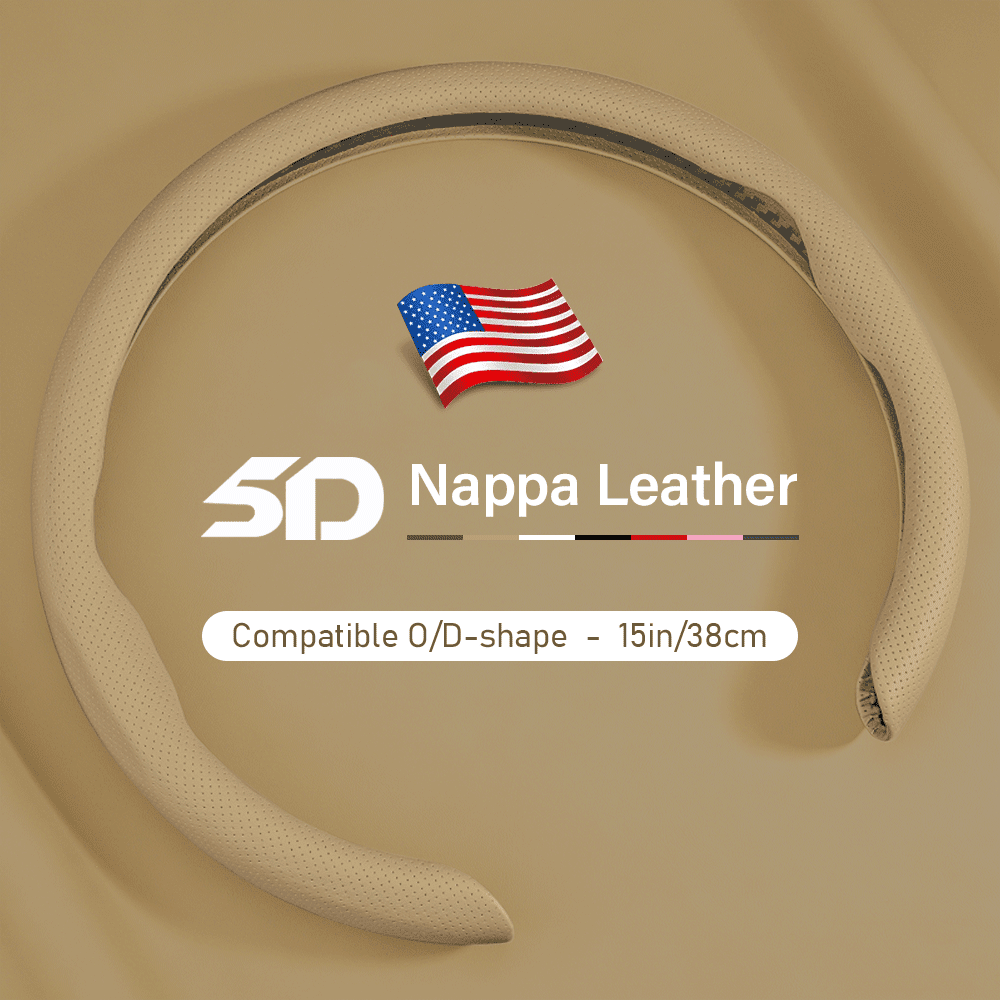
You can install a steering wheel cover by warming it, fitting it evenly, and checking that it does not slip.
Learning how install steering wheel cover properly takes only a few simple steps, but the small details matter. A loose cover can distract you, block wheel controls, or reduce your grip. This guide explains how install steering wheel cover safely, choose the right type, avoid common mistakes, and get a neat factory-like fit.

Why install a steering wheel cover?
A steering wheel cover can make an old wheel feel fresh. It may also add grip, protect the original material, and reduce discomfort from heat or cold. Some covers use leather, microfiber, rubber, silicone, or soft fabric.
The right cover should fit the wheel like a good shoe fits your foot. It should feel secure without being too tight or too loose. A poor fit can move while you turn the wheel.
Common reasons to use a steering wheel cover include:
- Protecting leather or plastic from sun damage
- Adding grip during daily driving
- Making the wheel more comfortable
- Covering cracks, stains, or worn areas
- Giving the car a new interior style
- Reducing heat from a dark steering wheel
A cover does not repair a damaged steering wheel. If the wheel has sharp cracks, loose padding, or damage near the airbag, have it checked by a qualified technician first.

Choose the right steering wheel cover
Before learning how install steering wheel cover, measure your wheel. Most covers list their size in inches or centimeters. Measure across the outside diameter of the wheel, from one edge to the other.
Also check the grip thickness. Two steering wheels may have the same diameter but different rim shapes. A cover made for a thick wheel may feel loose on a slim wheel.
Look for these features:
- Correct diameter and grip size
- Non-slip inner lining
- Strong stitching
- Smooth edges
- Heat-resistant materials
- Open space for wheel controls
- A design that does not block airbag panels
There are two main cover styles.
Stretch-fit covers
These covers slide over the wheel with no sewing. They are quick to install and easy to remove. Rubber and silicone models often use this design.
Lace-on covers
These covers wrap around the wheel and use thread or cord. They can look more custom and feel thinner. Installation takes longer, but the final fit is often better.
For most first-time users, a stretch-fit cover is the easiest choice. A lace-on model may suit drivers who want a close, tailored fit.

What you need before installation
The basic process for how install steering wheel cover needs very few tools. Gather everything before you begin so you do not rush the final fitting.
You may need:
- The steering wheel cover
- A clean microfiber cloth
- Mild soap and warm water
- A measuring tape
- A hair dryer
- A small amount of rubbing alcohol, if safe for the wheel material
- The thread and needle supplied with a lace-on cover
- A plastic trim tool, used gently if needed
Park on a flat surface. Turn the engine off and remove the key. Set the parking brake before you work.
Keep the front wheels straight. This gives you a better reference point and makes the cover easier to center. Do not start the vehicle while your hands are inside the steering wheel area.

Prepare the steering wheel
Cleaning is one of the most important parts of how install steering wheel cover. Dirt, oil, and hand lotion can make the cover slide. They can also trap an unpleasant smell under the material.
Follow these steps:
- Wipe the wheel with a dry microfiber cloth.
- Mix a small amount of mild soap with warm water.
- Wipe the wheel with the damp cloth.
- Remove soap with a clean, slightly damp cloth.
- Dry the wheel completely.
Use care around leather. Too much water can damage leather surfaces. Avoid strong cleaners, bleach, ammonia, and oily products unless the vehicle maker approves them.
If the wheel is very smooth, wipe it with a product made for that surface. Test any cleaner in a hidden area first. Never spray liquid directly into the wheel or around the airbag cover.
A clean, dry wheel gives the cover a better grip. It also helps prevent mold and odor.

How install steering wheel cover step by step
Now you can begin the main installation. Do not pull one side into place and leave the other side loose. Work around the wheel in small sections.
Step 1: Warm the cover
Place the cover in a warm room for several minutes. If it is still stiff, use a hair dryer on low heat for a short time.
Keep the dryer moving. Do not hold hot air in one spot. Too much heat can warp rubber, damage stitching, or weaken synthetic leather.
Warm material stretches more easily. Think of it like a rubber band that becomes more flexible when warm.
Step 2: Find the center
Many covers have a seam, logo, or mark for the top center. Place that point at the top of the steering wheel.
If the cover has no mark, line up its seam with the bottom spoke. Centering the cover now saves time later.
Step 3: Fit the top section
Hold the cover at the top of the wheel. Pull it down over the upper rim with both hands.
Make sure the inner lining touches the wheel. The cover should not sit at an angle. Keep the center mark in line with the wheel.
Step 4: Fit both sides
Move from the top toward the left and right sides. Pull a small section into place on one side, then match it on the other side.
This balanced method is the key to how install steering wheel cover without wrinkles. Do not force the entire cover onto one side first.
Step 5: Fit the bottom section
The bottom often feels tight. Use both hands and pull the cover over a small area at a time.
If the cover is difficult to stretch, warm it again. Do not use a knife, screwdriver, or metal tool. These tools can cut the cover or damage the wheel.
Step 6: Smooth the cover
Run your hands around the entire rim. Push out folds and adjust the seams.
Check the inner edge. It should sit evenly on the front and back of the wheel. No section should hang over a spoke or cover a control.
Step 7: Let the cover settle
Leave the cover in place for several minutes. Some materials relax after installation and fit more smoothly.
Turn the wheel by hand while the vehicle remains off. Check that the cover stays in place and does not twist.
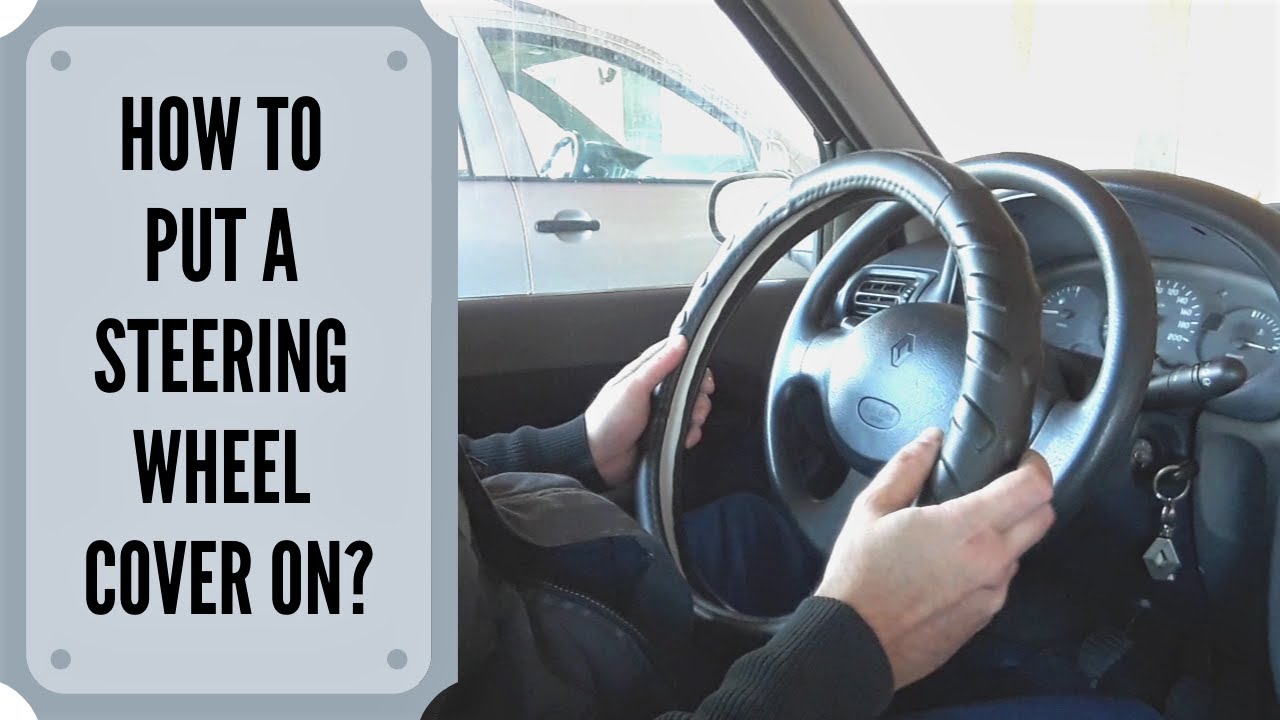
How install steering wheel cover on a lace-on model
A lace-on cover needs more patience. Read the instructions that come with the product because stitch patterns vary.
Start by placing the cover around the wheel. Match the center mark and hold the cover in place with small pieces of removable tape.
Use the supplied thread. Pull each stitch snug, but do not pull so hard that you cut the material. Keep the thread tension even from one section to the next.
A simple method is:
- Center the cover at the top.
- Lace the upper left section.
- Lace the upper right section.
- Work down both sides.
- Finish at the bottom.
- Tie the thread under the cover where it will not touch your hands.
Take breaks if your hands become tired. A rushed stitch can create a bump that you will feel every time you drive.
If the cover uses adhesive, follow the product directions closely. Do not place glue near the airbag seam, horn pad, or steering wheel controls.

Check the fit and safety
Knowing how install steering wheel cover is only part of the job. You must also inspect the finished fit before driving.
Use this checklist:
- The cover does not rotate on the wheel
- The seams feel smooth
- No part covers the horn pad
- No part blocks buttons or paddle shifters
- The airbag panel remains fully visible
- The cover does not touch the turn signal or wiper stalks
- Your hands can grip the wheel without slipping
- There are no loose cords or hanging edges
The airbag area needs special attention. Never attach a thick cover, strap, ornament, or hard accessory over an airbag panel. The airbag must deploy through its designed seam.
Take a short test drive in a safe area. Use gentle turns first. If the cover shifts, remove it and correct the fit. Do not keep driving with a loose cover.
Vehicle safety agencies and automakers generally warn against modifications that can interfere with airbags or driver controls. When in doubt, follow your vehicle owner’s manual.

Common mistakes to avoid
Many problems with how install steering wheel cover come from choosing speed over fit. The cover may look fine while parked but move during a turn.
Avoid these mistakes:
Choosing the wrong size
A cover that is too large may slide. One that is too small may stretch the wheel material or split at the seam.
Skipping the cleaning step
Oil and dust reduce friction. The cover may feel secure at first, then move after a few days.
Installing it cold
Cold rubber and synthetic leather can become stiff. Warm the cover gently before fitting it.
Pulling from one side
This creates uneven tension. It often causes wrinkles on one side and a loose section on the other.
Using sharp tools
A blade may damage the steering wheel, wiring, or airbag area. Use your hands and gentle heat instead.
Covering the spokes
A universal cover should sit on the rim. It should not stretch over the spokes or cover control buttons.
Ignoring a loose fit
A cover that rotates is not safe. Remove it and choose a smaller or better-designed product.
From my own hands-on fitting experience, the most common mistake is forcing the bottom edge too fast. A slow, even pull gives a cleaner result and protects the stitching.

How to care for the new cover
Good care helps the cover stay clean and secure. Wipe it with a soft cloth once a week, especially if you drive often.
Use a cleaner made for the cover’s material. Leather, fabric, rubber, and synthetic leather need different care. Test the cleaner in a hidden spot before treating the whole cover.
Keep these habits:
- Do not soak the cover
- Do not use oily protectants on the grip area
- Keep sharp objects away from the wheel
- Park in shade when possible
- Check the fit every few weeks
- Replace the cover if it cracks or becomes slippery
Sunlight can heat the steering wheel and speed up material wear. A windshield sunshade may help reduce heat inside the cabin.
Remove the cover if it develops a strong odor, sticky surface, torn seam, or loose inner lining. A fresh cover is less expensive than dealing with a safety problem.
Benefits and limits of a steering wheel cover
A cover can improve comfort and protect the original wheel. It may also make a worn interior look cleaner. Some drivers enjoy the softer feel during long trips.
Still, a cover has limits. It cannot fix poor steering alignment, a damaged wheel, or a mechanical problem. It may also make the wheel feel thicker than expected.
Consider removing it if:
- You cannot feel the wheel clearly
- Your hands slip during turns
- The cover hides the airbag seam
- The wheel controls become hard to use
- The cover causes hand pain
- The cover moves under normal grip
A steering wheel cover should support safe control, not compete with it. Comfort is useful, but control always comes first.
Frequently Asked Questions About How Install Steering Wheel Cover
How long does it take to install a steering wheel cover?
A stretch-fit cover usually takes about 10 to 20 minutes. A lace-on cover may take one to three hours, depending on the design and your experience.
Should I heat a steering wheel cover before installing it?
Gentle warmth can make rubber and synthetic materials easier to stretch. Use a hair dryer on low heat, keep it moving, and avoid direct high heat.
Why does my steering wheel cover keep slipping?
The cover may be too large, or the wheel may still have oil and dirt on it. Remove the cover, clean and dry the wheel, then check the size before reinstalling it.
Can a steering wheel cover block an airbag?
Yes, an unsuitable cover or accessory can interfere with an airbag panel. Keep the airbag area clear and avoid any product that covers its seam or changes how it can open.
Can I install a steering wheel cover without tools?
Yes. Most stretch-fit covers need only your hands and a clean cloth. Lace-on covers usually need the included needle and thread.
How install steering wheel cover without wrinkles?
Center the cover first, then fit small sections on opposite sides. Warm stiff material and smooth the cover as you work toward the bottom.
Should I drive immediately after installing the cover?
You can drive after checking that the cover is tight and stable. Test it first with the vehicle off, then take a short, slow drive in a safe area.
Conclusion
A good installation starts with the correct size, a clean wheel, and gentle warmth. Fit the cover evenly from the top, smooth each section, and inspect the airbag area and controls before driving.
The safest answer to how install steering wheel cover is simple: take your time and never accept a loose fit. Install yours carefully, test it in a safe place, and share your results or questions in the comments.