
How To Use Windshield Sun Shade: Easy Cooling Guide
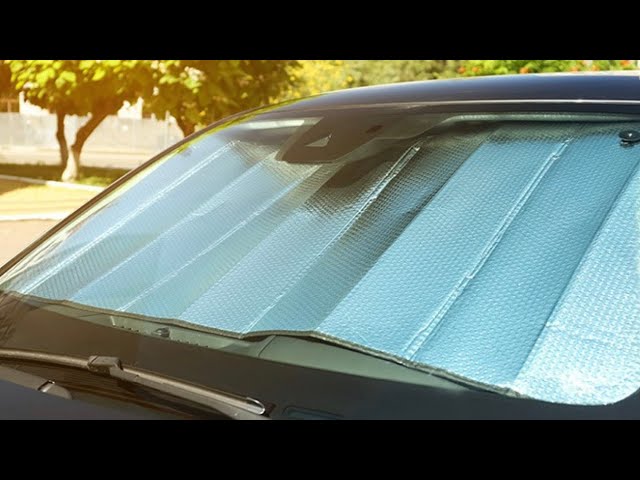
Place the reflective side toward the sun, open the shade fully, and secure it behind the windshield.
Learning how to use windshield sun shade correctly is simple, but small details matter. A good fit can help reduce heat, protect the dashboard, limit sun damage, and make your first drive more comfortable. This guide explains the best placement, folding methods, common mistakes, and care tips based on practical use and basic vehicle heat research.

What Is a Windshield Sun Shade?
A windshield sun shade is a removable screen that covers the inside of a vehicle’s front windshield. Most models use reflective material, such as foil-coated fabric, to bounce sunlight away from the cabin.
The main goal is to reduce solar heat. Direct sunlight can quickly warm the dashboard, steering wheel, seats, and air inside the car. A sun shade does not make the vehicle cold, but it can help slow the heat buildup.
Common types include:
• Foldable accordion shades with rigid panels
• Roll-up shades made from fabric or mesh
• Pop-up shades with flexible wire frames
• Custom-fit shades made for a specific vehicle
• Universal shades made to fit many cars, trucks, and SUVs
A windshield shade works best when it covers as much glass as possible. Gaps around the edges let sunlight enter, much like an open window lets rain inside.

How to Use Windshield Sun Shade Step by Step
Using a car sun shade takes less than a minute once you know the process. Follow these steps each time you park in direct sunlight.
1. Choose a safe parking spot
Park in a garage, under a tree, or in a shaded area when possible. Shade reduces the amount of solar energy reaching the vehicle before you even install the product.
Avoid parking where falling branches, sap, or bird droppings may damage the car. Also check local parking rules before stopping under a tree or near a restricted area.
2. Turn off the vehicle and remove loose items
Before installing the shade, turn off the engine and remove anything that may block the windshield. Move GPS devices, phone mounts, papers, and other items away from the glass.
A clear windshield helps the shade sit flat. It also prevents pressure on dashboard accessories.
3. Open the windshield shade
Unfold or unroll the shade inside the vehicle. Hold it so the reflective surface faces the outside, toward the sun.
This is the key rule when learning how to use windshield sun shade products. The bright, reflective side should face the windshield. The darker or fabric side usually faces the cabin.
4. Place the shade behind the windshield
Slide the top edge close to the roof line. Then lower the shade so it covers the entire windshield from top to bottom.
Try to cover the corners. Even small uncovered areas can allow strong sunlight to reach the dashboard.
5. Use the sun visors
Pull down both sun visors over the shade. The visors hold the shade in place and reduce gaps at the top and sides.
Do not force the visors down if the shade is too thick. Excess pressure may bend the visor or damage its hinge.
6. Check the fit from outside
look at the windshield from outside the vehicle. Adjust the shade if you see large uncovered sections.
A close fit is better than a tight fit. The shade should stay in place without pushing hard against the glass or dashboard.

Which Side of a Windshield Sun Shade Faces Out?
The reflective side should face the outside, toward the sun. This side is designed to reflect more sunlight than the darker inner side.
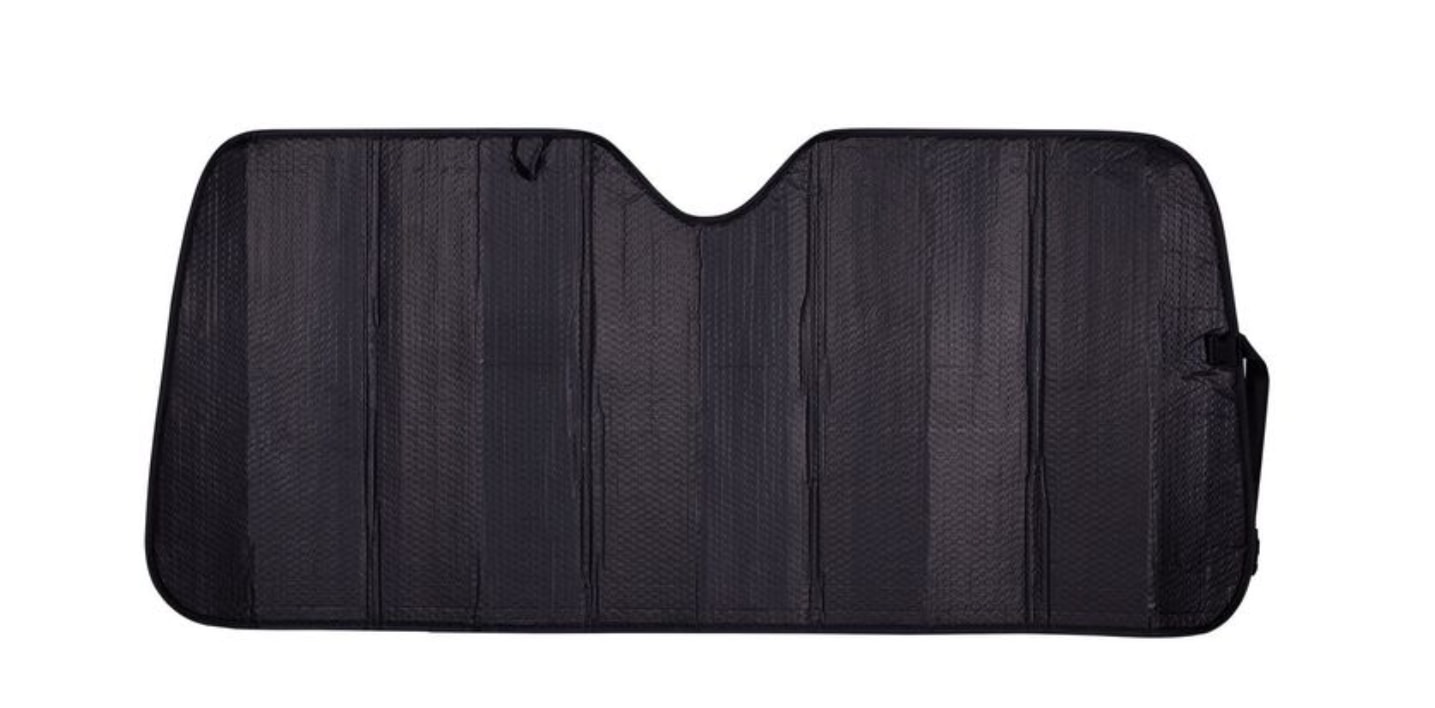
The inside surface may look plain, gray, blue, or black. It is usually made to face the cabin and provide a cleaner appearance.
Some products use the same material on both sides. If so, check the label or product instructions. When no instructions exist, place the shiniest side toward the windshield.
This detail is central to how to use windshield sun shade products. Reversing the shade may still provide some coverage, but it can reduce its ability to reflect sunlight.
Think of the shade as a small mirror between the sun and your car. The mirror needs to face the light to work well.
How to Use Different Types of Sun Shades
Not all shades open or store in the same way. The basic placement is similar, but each design has a few special steps.
Foldable accordion sun shades
Open the panels until the shade reaches its full width. Place it behind the windshield, then hold it with the sun visors.
To store it, fold each panel along its existing creases. Do not bend the panels in a new direction, because this may crack the inner support material.
Roll-up sun shades
Unroll the shade from its storage tube or strap. Hold the top edge near the roof and pull the bottom edge down to the dashboard.
Some roll-up models use suction cups, clips, or magnets. Use these only as directed. Remove the shade slowly so you do not pull on dashboard trim.
Pop-up sun shades
Twist the flexible frame to open the shade. Place it against the windshield, then secure it with visors or built-in straps.
These shades can snap open quickly. Keep your face and fingers away from the frame while unfolding it.
Custom-fit sun shades
A custom-fit shade usually matches the exact shape of your windshield. Place the upper corners into the upper windshield corners first, then press the lower section into place.
Because these shades fit closely, they often need less support from the visors. Follow the manufacturer’s instructions to prevent damage to the frame.

When Should You Use a Windshield Sun Shade?
Use a windshield sun shade whenever you park in direct sunlight for more than a few minutes. It is especially useful during summer, in warm climates, and when the vehicle will sit outside for several hours.
A shade can be helpful at:
• Work parking lots
• Shopping centers
• School parking areas
• Beaches and outdoor events
• Airport parking lots
• Long-term outdoor parking spaces
A windshield sun shade is also useful in cooler months. The sun can still heat the cabin and fade interior materials, even when the outdoor air feels mild.
Use the shade before the car becomes hot. Installing it after the cabin has heated up will not remove the stored heat from the seats and dashboard. It only helps prevent more sunlight from entering.

Benefits of Using a Windshield Sun Shade
A windshield sun shade offers several practical benefits, although it is not a complete climate-control solution.
Lower cabin heat
The shade reflects some solar energy before it reaches the dashboard and seats. This may make the cabin feel less intense when you open the door.
The exact temperature change depends on the shade, windshield angle, weather, parking direction, and vehicle color. A reflective shade usually works better than a thin dark mesh.
More comfortable surfaces
A covered dashboard and steering wheel may feel less hot to the touch. This matters when you need to drive soon after parking.
Still, check the steering wheel and seats before driving. A shade reduces heat, but it does not guarantee that surfaces will stay cool.
Less sun exposure for the interior
Long-term sunlight can contribute to fading, drying, and cracking in some interior materials. A shade blocks part of that exposure.
Tinted windows, covered parking, and regular interior care can provide extra protection. Use products made for your specific dashboard material.
Better visibility when leaving
A shade cannot improve visibility while it covers the windshield, so remove it before moving the vehicle. Once removed, a cooler dashboard can reduce the discomfort of entering a hot car.
Always check the windshield for glare, dust, or condensation before driving.
Reduced strain on the air conditioner
A cooler cabin may reach a comfortable temperature sooner. However, do not expect a large fuel or energy saving from a sun shade alone.
The most effective approach is to combine the shade with ventilation, proper air conditioning, and shaded parking.
Common Mistakes to Avoid
Many problems come from incorrect placement rather than a poor product. Avoid these mistakes when learning how to use windshield sun shade in daily life.
• Placing the dark side toward the sun: The reflective side should face outward unless the instructions say otherwise.
• Leaving large gaps: Exposed glass lets sunlight reach the dashboard.
• Using a dirty shade: Dust can scratch glass or reduce reflectivity over time.
• Driving with the shade installed: Remove it fully before starting the vehicle.
• Blocking sensors or cameras: Do not press the shade against windshield-mounted safety equipment.
• Forcing the sun visors: Excess pressure can damage visor hinges or trim.
• Folding it backward: Follow the shade’s original folds to protect the frame.
• Leaving it loose on the dashboard: A loose shade can slide, curl, or block your view.
• Using suction cups without cleaning the glass: Dirt prevents a secure hold.
One mistake I often see is storing a folded shade under heavy items. The frame bends, and the shade no longer sits flat. Store it in its sleeve or beside the seat instead.
How to Store and Clean a Windshield Sun Shade
Good storage helps a sun shade last longer. Fold or roll it according to its design, then place it in a dry location away from sharp tools and heavy objects.
Do not leave a wet shade folded for long periods. Moisture can create odors or encourage mold on fabric surfaces.
To clean the shade:
-
Shake off loose dust outdoors.
-
Wipe the surface with a soft, dry cloth.
-
Use a slightly damp cloth for stubborn marks.
-
Let the shade dry completely before folding it.
-
Avoid strong chemicals, bleach, and rough brushes.
Read the care label before using soap. Some reflective coatings can peel when exposed to harsh cleaners or high heat.
Clean the windshield too. A dirty windshield can scatter sunlight and create glare, even when the shade is removed.
How to Choose the Right Windshield Sun Shade
The best shade is one that fits your windshield well and is easy to use every day. A product that stays in the trunk because it is difficult to install will not provide much value.
Consider these features:
• Size: Measure the windshield or choose a vehicle-specific model.
• Reflective surface: Look for a bright, durable outer layer.
• Frame quality: Strong frames help the shade stay flat.
• Storage design: Choose a fold or roll style that fits your vehicle.
• Material: Select fabric and coatings made for repeated sunlight exposure.
• Attachment method: Visors, straps, suction cups, and magnets each have benefits.
• Safety fit: Make sure the shade does not interfere with cameras, sensors, or mirror mounts.
Custom-fit shades often cover more glass. Universal shades may cost less and work across several vehicles. The right choice depends on your budget, parking habits, and need for convenience.
Do not choose a shade based only on its color. Fit, coverage, material, and ease of use matter more than appearance.
Windshield Sun Shade Safety Tips
A sun shade is a parking accessory, not a driving accessory. Remove it before moving the vehicle, even if it seems to leave a small viewing area.
Do not use a shade that blocks your view while you are driving. Never rely on a small opening between the shade and windshield as a safe sight line.
Also check the area around the rearview mirror. Some vehicles have rain sensors, lane cameras, collision warning cameras, or other equipment near the windshield. A shade should not press against or cover these systems while installed.
For extra heat protection:
• Crack the windows only if it is safe and legal.
• Use a windshield cover along with side-window shades.
• Keep children and pets out of parked vehicles.
• Check the back seat before locking the car.
• Let hot air escape before using maximum air conditioning.
The National Highway Traffic Safety Administration warns that parked vehicles can become dangerously hot, even on days that do not feel extreme. A sun shade cannot make a parked vehicle safe for children or animals.
My Practical Lessons From Using Windshield Sun Shades
The first lesson is to buy a shade that fits the windshield, not just one that looks large in the package. A universal model may leave open corners, especially in vehicles with wide dashboards or steep glass.
Another lesson is to install the shade before gathering your bags. When I wait until the last moment, I often leave gaps or forget to lower one visor. A simple routine works better: park, turn off the car, open the shade, place it, lower the visors, and check the edges.
I also learned not to fold a pop-up shade by force. The first few times, twisting the frame in the wrong direction made it harder to open. Follow the original folding motion and practice at home before using it in a busy parking lot.
Finally, keep the shade within reach. A product in the trunk may be inconvenient when groceries fill the cargo area. Store it beside the driver’s seat or in a door pocket if the design allows it.
Frequently Asked Questions
Does the reflective side of a windshield sun shade face in or out?
The reflective side should face out toward the sun. This helps reflect sunlight before it enters the vehicle.
Do windshield sun shades really work?
Yes, a good-fitting reflective shade can reduce direct sunlight and help limit cabin heat. Results vary based on the vehicle, weather, windshield angle, and how much glass the shade covers.
Can I leave a windshield sun shade in the car?
You can store the shade in the car, but do not leave it loosely on the dashboard while driving. Keep it folded or rolled in a dry place where it will not block visibility or become a projectile.
Should I use sun visors with a windshield sun shade?
Yes, sun visors can hold the shade against the glass and close small gaps. Lower them gently so you do not strain the visor hinges.
Can I use a windshield sun shade overnight?
You can use one overnight, but it offers little benefit when there is no sunlight. Remove it before driving and store it so it does not become damp or damaged.
Can a windshield sun shade protect my dashboard?
It can reduce direct sun exposure, which may help limit fading and heat stress. It cannot prevent all aging, so shaded parking and proper interior care are also useful.
Is a custom-fit sun shade better than a universal one?
A custom-fit shade usually covers more of the windshield and leaves fewer gaps. A universal shade may be more affordable and can work well when it fits the glass closely.
Conclusion
Learning how to use windshield sun shade takes only a few steps: face the reflective side outward, cover the glass fully, secure the shade with the visors, and remove it before driving. Choose a close fit, store it carefully, and keep the windshield and shade clean.
A sun shade will not replace safe parking, air conditioning, or proper care for children and pets. Still, it is a simple tool that can make hot days easier and help protect your vehicle’s interior. Try the routine on your next sunny trip, and explore more car-care guides for practical ways to protect your vehicle.