
How To Wipe Car Interior: Easy Cleaning Guide
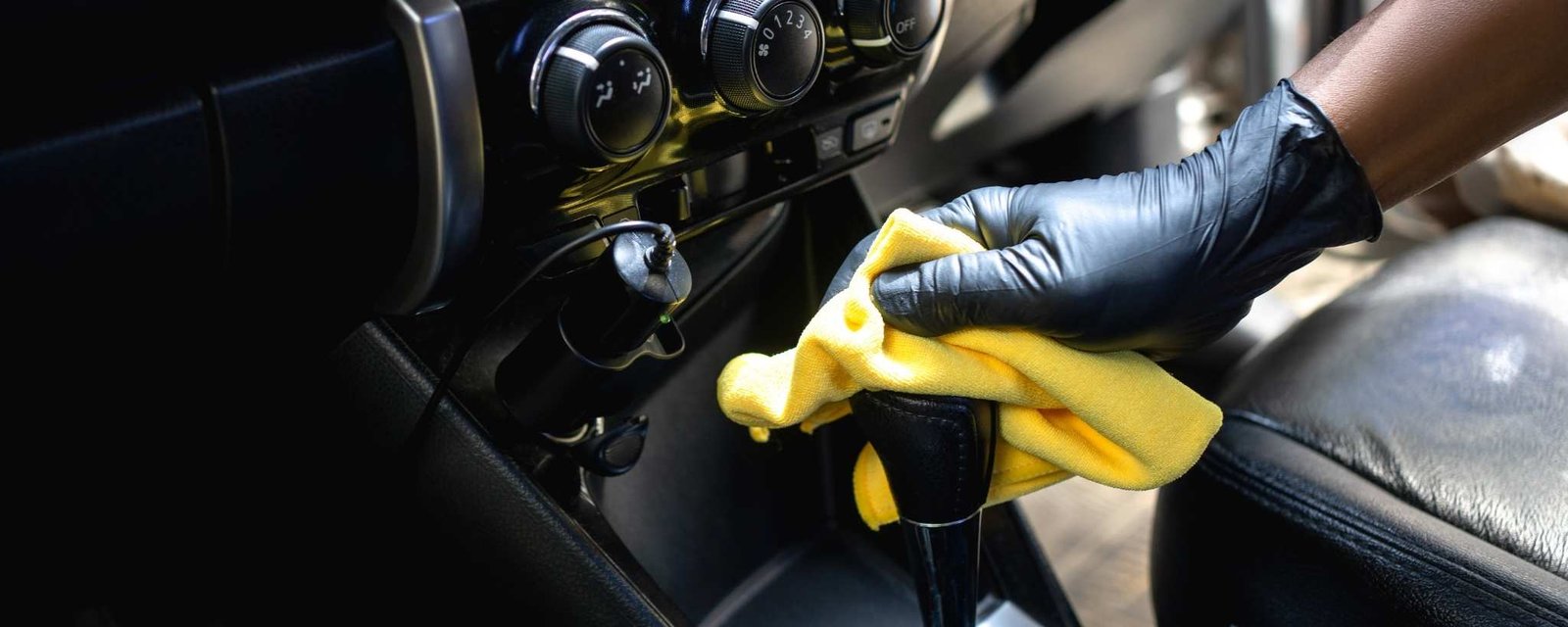
Wipe your car interior with a vacuum, mild cleaner, microfiber cloth, and gentle strokes from top to bottom.
Learning how to wipe car interior surfaces the right way protects dashboards, screens, seats, and trim from stains and early wear. This guide explains the safest tools, cleaning order, products, and techniques for a fresh cabin without leaving streaks, moisture, or damage behind.
What You Need to Wipe a Car Interior
Before learning how to wipe car interior surfaces, gather the right supplies. The best results come from using less product and more control. A soaked cloth can push liquid into buttons, seams, and electronic parts.
You will need:
- Several clean microfiber cloths
- A vacuum with a soft brush attachment
- A soft detailing brush
- Mild interior cleaner or diluted soap
- Distilled water
- A small spray bottle
- Cotton swabs for tight gaps
- Glass cleaner made for automotive use
- Rubber gloves
- A soft, dry towel for final buffing
Use separate cloths for glass, plastic, leather, and dirty areas. This simple habit prevents grit from moving across the cabin. Never use the same cloth on the dashboard and the windows.
A microfiber cloth works well because its fine fibers pick up dust instead of pushing it around. Avoid paper towels, rough rags, and old shirts with hard seams. They can leave lint or create light scratches on glossy trim.

Prepare the Car Before Cleaning
Park in the shade and let the interior cool before you start. Heat can make cleaners dry too fast, which often causes streaks. Open the doors or windows for airflow, but avoid cleaning during strong wind or dusty weather.
Remove everything from the cabin. Take out floor mats, trash, child seats, toys, and personal items. Check under the seats because small stones and food crumbs can scratch plastic when you wipe it.
Follow this preparation order:
- Turn off the engine and remove the keys.
- Move the front seats forward and backward to reach hidden areas.
- Remove the floor mats.
- Shake out or vacuum the mats outside the car.
- Empty the door pockets and center console.
- Close the windows before using liquid cleaners.
- Test each product on a hidden area.
A clean interior starts with dry debris removal. If you wipe dust and sand with a wet cloth, you can turn small particles into an abrasive paste. That paste may dull plastic and leave fine marks.
How to Wipe Car Interior Step by Step
The safest way to wipe car interior surfaces is to work from the cleanest, highest areas down to the dirtiest, lowest areas. This keeps dust from falling onto parts you already cleaned.
1. Vacuum the Interior First
Vacuum the seats, carpet, floor, dashboard, door pockets, and center console. Use a soft brush attachment near vents and delicate controls. Do not press the vacuum nozzle hard against leather, vinyl, or soft plastic.
For tight gaps, use a detailing brush while the vacuum runs nearby. This lifts dust from seams and pulls it away before it settles elsewhere. Take your time around seat rails, cup holders, and the area under the pedals.
2. Dust the Dashboard and Trim
Use a dry microfiber cloth to remove loose dust from the dashboard and door panels. Fold the cloth into quarters and turn it as one side becomes dirty. This gives you several clean wiping surfaces.
For vents, use a soft brush or cotton swab. Hold the vacuum close to the vent while brushing. This method catches dust instead of sending it deeper into the air system.
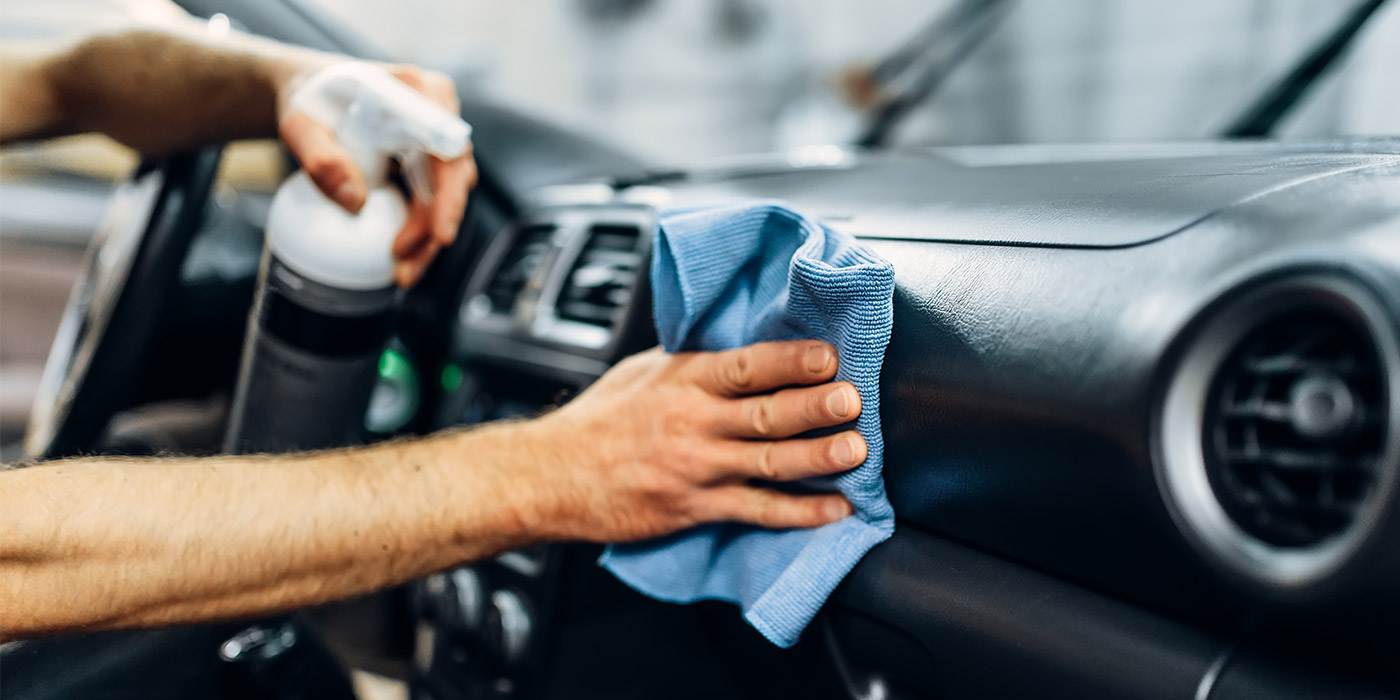
Avoid spraying cleaner directly onto the dashboard. Spray a small amount onto the cloth, then wipe the surface. Direct spraying can send liquid into gauges, speakers, switches, and air vents.
3. Clean Plastic and Vinyl Surfaces
Apply a small amount of automotive interior cleaner to a microfiber cloth. Wipe the surface with light, straight strokes. Work in small areas so the cleaner does not dry before you buff it.
Use a second damp cloth to remove residue. Follow with a dry towel to prevent streaks. A clean finish should look natural, not greasy or overly shiny.
Many modern dashboards have a matte finish. Shiny dressings may create glare on the windshield and attract dust. Choose a low-sheen, water-based product when possible.
4. Wipe the Steering Wheel and Controls
The steering wheel collects skin oil, sweat, food residue, and hand lotion. Wipe it carefully with a lightly damp microfiber cloth. Turn the wheel as needed so you can clean the full rim.
Clean buttons and control surfaces with a nearly dry cloth. Use a cotton swab around their edges. Never flood switches, touchscreens, or steering-wheel controls.
A slippery steering wheel is unsafe. Skip oily protectants on the wheel unless the vehicle maker specifically approves them. Your hands need a firm grip.
5. Clean the Center Console and Cup Holders
The center console often holds sticky spills and crumbs. Vacuum loose debris first. Then use a damp detailing brush or cloth to loosen dried residue.
For cup holders, spray cleaner onto the cloth rather than into the holder. Wipe the sides and bottom, then dry the area fully. Moisture left in cup holders can create odors and damage nearby trim.
Use cotton swabs in seams around the gear selector, parking brake, and storage covers. These small tools make how to wipe car interior much easier when surfaces have narrow gaps.
6. Wipe Door Panels and Handles
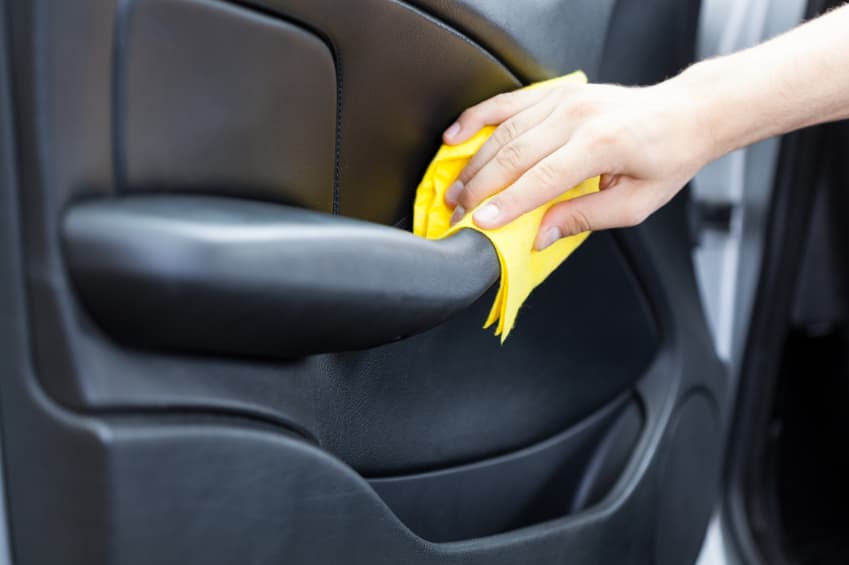
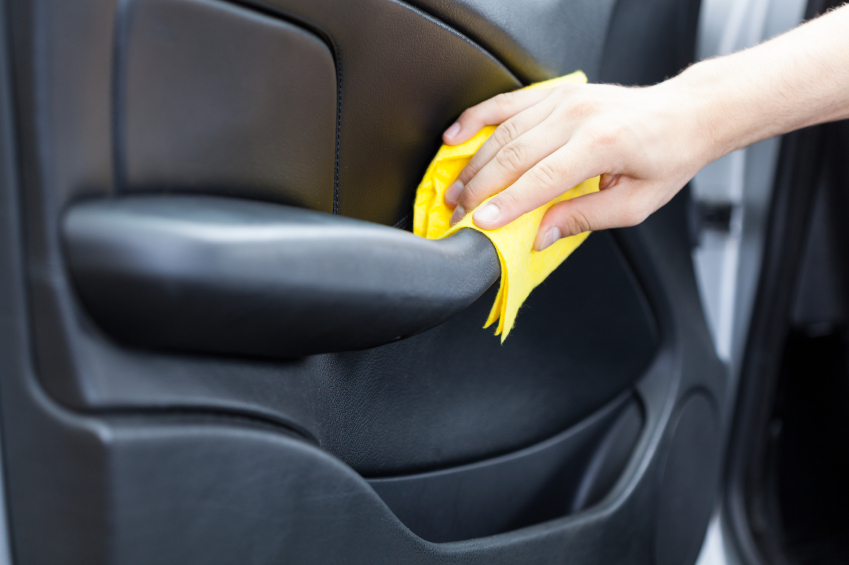
Start at the top of each door panel and move downward. Pay special attention to armrests, grab handles, window switches, and door pockets. These areas receive frequent contact and often hold more oil than the rest of the cabin.
Use a separate cloth for heavily soiled sections. Rinse or replace it often. A dirty cloth can spread grime across a large area.
Dry the door panel after cleaning. Water can collect along the bottom edge, near speakers, or inside switches if you leave it wet.
How to Clean Car Seats Safely
Car seat materials need different care. Before you wipe car interior seats, identify whether they are cloth, vinyl, synthetic leather, or genuine leather. Check the owner’s manual if you are unsure.
Cloth Seats
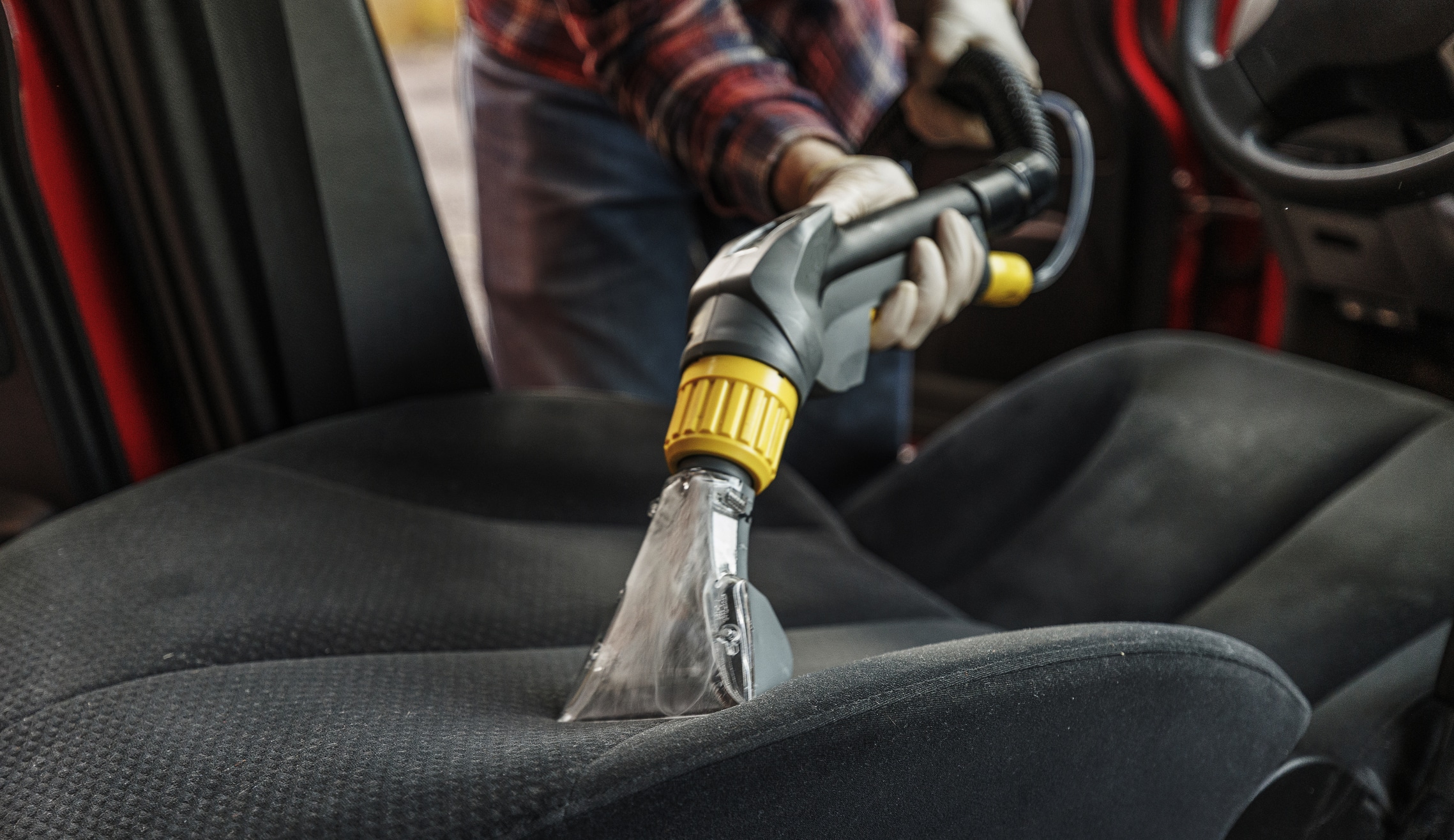
Vacuum fabric seats before applying any cleaner. Use a fabric-safe product and a lightly damp cloth. Do not soak the seat, because deep moisture can create mildew, odors, or slow drying.
Blot stains instead of rubbing them hard. Rubbing can spread the stain and damage the fibers. Work from the outside of the mark toward the center.
Leave the doors open until the seats dry. A fan can help, but avoid high heat from a hair dryer. Heat may affect adhesives, foam, or synthetic fibers.
Leather Seats
Remove dust with a soft microfiber cloth. Use a leather cleaner approved for automotive seats, then apply a small amount to the cloth. Wipe gently and follow the product instructions.
Do not use household disinfectants, alcohol, bleach, or strong degreasers unless the seat maker approves them. These products can dry, discolor, or weaken leather coatings.
After cleaning, a compatible leather conditioner may help maintain flexibility. Use it sparingly. Too much conditioner can leave the seat slick and attract dust.
Synthetic Leather and Vinyl
Synthetic leather and vinyl usually clean well with mild soap or an automotive interior cleaner. Use gentle pressure and avoid stiff brushes. Bright sunlight and harsh chemicals can cause fading or cracking over time.
Always test a new product on a hidden section. Color and finish can vary between vehicles, even when the material looks similar.
How to Wipe Car Interior Glass and Screens
Interior glass can develop a hazy film from smoke, plastic vapors, dust, and dashboard protectants. Clean windows after the rest of the cabin so new dust does not settle on them.
Use an automotive glass cleaner or a solution approved for tinted windows. Spray it onto a glass cloth, not directly onto the window. Wipe in one direction on the inside and another direction on the outside. If streaks remain, you can tell which side needs more work.
For touchscreens, use a clean, dry microfiber cloth first. If needed, slightly dampen the cloth with distilled water. Never spray liquid onto a screen, instrument cluster, or navigation display.
Avoid ammonia-based products on tinted windows unless the tint manufacturer confirms they are safe. Ammonia may affect some tint films and adhesives. Keep pressure light around screen edges and electronic controls.
:max_bytes(150000):strip_icc()/how-to-clean-car-interior-4775265-Hero-01-e95ef9c85b5343af9c9dadfb87c51f9d.jpg)
How to Remove Common Interior Stains and Odors
Different stains need different methods. Using a stronger chemical does not always produce a better result. It may damage the surface before it removes the stain.
Food and Drink Spills
Blot fresh spills with a dry towel. Then use a small amount of mild cleaner on a damp cloth. Blot again and repeat as needed.
Sugary drinks leave sticky residue. Use a clean, damp cloth after the first pass to remove leftover sugar. Dry the area well, especially around switches and seat seams.
Grease and Oil
Use a cleaner made for the specific material. Apply it to the cloth, not the surface. Wipe in short strokes, then remove residue with a clean damp cloth.
Do not use strong kitchen degreasers inside a vehicle. They may strip protective coatings and change the texture of plastic or vinyl.
Pet Hair
Vacuum first. For hair stuck to fabric, use a rubber pet-hair brush or slightly damp rubber glove. Work in one direction and vacuum the loosened hair.
Smoke and Musty Odors
Clean the headliner, carpets, seats, and hard surfaces. Replace the cabin air filter if it is dirty, following the vehicle manual. Odor sprays may hide a problem for a short time but do not remove the source.
Do not soak the headliner. Too much liquid can loosen the fabric adhesive and cause sagging. Use a barely damp cloth and gentle strokes.

Mistakes to Avoid When Wiping a Car Interior
Many interior cleaning problems come from using too much water, too much pressure, or the wrong chemical. Avoid these common mistakes:
- Spraying cleaner directly onto electronics
- Using household glass cleaner on tinted windows
- Scrubbing leather with a stiff brush
- Using bleach or chlorine products
- Applying oily dressing to the steering wheel
- Cleaning a hot dashboard in direct sunlight
- Using one dirty cloth on every surface
- Soaking carpets, seats, or the headliner
- Ignoring the owner’s manual
- Mixing cleaning chemicals
Never mix bleach with ammonia or other cleaners. Chemical reactions can release harmful fumes. If a product has a strong odor, use ventilation and follow its label.
Another common mistake is chasing a perfectly glossy dashboard. Gloss does not mean clean. A clean interior usually has an even, natural finish with no greasy film.
From hands-on detailing, one lesson stands out: gentle cleaning done often is safer than aggressive cleaning done rarely. Five minutes of dust removal each week can prevent the heavy scrubbing that causes wear.
How Often Should You Wipe Your Car Interior?
The ideal schedule depends on use, weather, passengers, and pets. A daily commuter may need more frequent cleaning than a vehicle used only on weekends.
Use this simple schedule:
- Wipe high-touch areas once a week.
- Vacuum the cabin every one to two weeks.
- Clean windows when haze appears.
- Deep-clean seats and carpets every few months.
- Clean spills as soon as possible.
- Inspect the cabin air filter according to the vehicle manual.
If you eat in the car, travel with pets, or carry children, clean high-touch areas more often. Regular care limits stains, odors, and surface buildup.
The goal is not to make the interior sterile. It is to keep surfaces clean, dry, and in good condition without using harsh methods.
/how-to-clean-car-interior-4775265-08-841a91bf649c481a8663348427a23df3.jpg)
Benefits and Limits of Cleaning Your Car Interior
Learning how to wipe car interior surfaces can improve comfort and protect the vehicle’s appearance. Clean surfaces also make it easier to notice damage, leaks, mold, or unusual wear.
- Less visible dust and grime
- Fewer sticky touch points
- A fresher cabin
- Better visibility through clean glass
- Reduced surface wear from grit
- A more pleasant driving experience
- Better preparation before selling or trading the vehicle
Cleaning has limits, however. It cannot repair cracked vinyl, faded plastic, torn leather, deep stains, or mold beneath upholstery. Professional detailing may be safer when odors continue, water has entered the cabin, or a stain has reached the seat foam.
If you find mold, wear gloves and improve ventilation. People with asthma or allergies may need professional help. Do not simply cover a serious moisture problem with fragrance.
Frequently Asked Questions About How to Wipe Car Interior
What is the best thing to use to wipe the inside of a car?
A clean microfiber cloth lightly dampened with water or a mild automotive interior cleaner is a safe choice for many hard surfaces. Always check the material and test the product in a hidden area first.
Can I use soap and water to clean my car interior?
A small amount of mild soap mixed with water can work on many plastic and vinyl surfaces. Use very little liquid, avoid electronics, and wipe away residue with a clean damp cloth.
Should I vacuum or wipe the car interior first?
Vacuum first, then wipe. Removing dry dust and grit before using moisture helps prevent scratches and stops dirt from turning into a muddy film.
How do I wipe a car dashboard without leaving streaks?
Spray cleaner onto a microfiber cloth instead of the dashboard. Wipe a small section, follow with a clean damp cloth, and buff it dry with another microfiber towel.
Can I use disinfecting wipes inside my car?
Some disinfecting wipes may damage leather, vinyl, plastic coatings, or touchscreens. Use them only when the vehicle or surface manufacturer approves them, and never leave chemical residue behind.
How do I clean a car interior without damaging leather?
Use a leather-safe cleaner, a soft cloth, and light pressure. Avoid bleach, alcohol, harsh degreasers, and excessive water, then use a compatible conditioner only if recommended.
Conclusion
Knowing how to wipe car interior surfaces is mostly about using the right order and the right amount of moisture. Vacuum first, work from top to bottom, spray products onto cloths, and use separate towels for different materials.
Clean spills quickly, protect electronics from liquid, and choose products made for automotive surfaces. Start with one section today, such as the dashboard or center console, and build a simple weekly cleaning habit. For more practical car-care tips, explore related guides and share your best interior-cleaning method in the comments.