
How To Choose Car Seat Covers: Smart Buying Guide
Choose car seat covers by checking safety, fit, material, comfort, climate, and care needs before buying.
Learning how to choose car seat covers is about more than matching your car’s color. The right covers protect upholstery, improve comfort, and support safe use of seat belts, airbags, heated seats, and child seats. This guide explains the key checks, common mistakes, and practical tips that help you make a smart choice.
Why Car Seat Covers Matter
Car seat covers act like a protective layer between your seats and daily wear. They can help shield upholstery from spills, pet hair, sunlight, sweat, crumbs, and friction from clothing. They may also make an older interior look cleaner and more pleasant.
Still, a seat cover is not automatically a good purchase. A poor fit can bunch under you, block an airbag, or interfere with a child restraint. That is why understanding how to choose car seat covers starts with safety and compatibility.
Good covers should protect your seats without changing how the seats work. They should also stay in place when you enter, exit, brake, or turn.

Check Your Vehicle and Seat Type First
Before comparing colors or fabrics, identify the exact design of your seats. Car interiors vary widely, even within the same model family.
Look for these details:
• Vehicle year, make, and model
• Front bucket seats or a front bench seat
• Separate or connected headrests
• Fixed or removable headrests
• Manual or power seat controls
• Side airbags built into the seat
• Heated, cooled, or ventilated seats
• Fold-down rear seats
• Center armrests and cup holders
• Rear seat belt locations
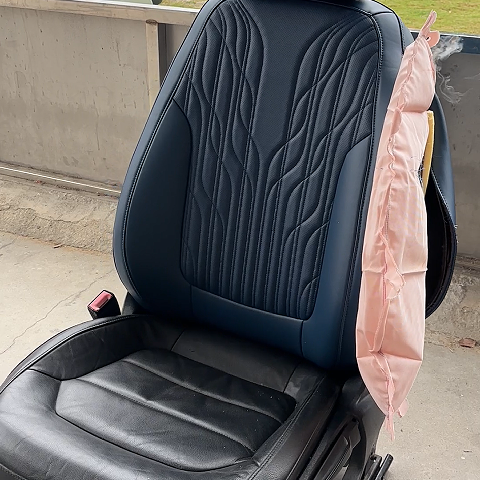
The best way to confirm these details is to check your owner’s manual and inspect the seat edges. Look for a small airbag label or stitched marking on the outer side of the front seat. This area must remain clear if the airbag deploys from the seat.
When learning how to choose car seat covers, never rely only on a product title that says “universal.” Universal covers may fit many cars, but they rarely fit every seat well. A semi-custom or custom-fit cover usually gives better results.
Put Airbag Compatibility First
Safety should guide every part of how to choose car seat covers. Many modern vehicles have side-impact airbags inside the front seatback or seat bolster. These airbags need a clear path to open.
Only use front seat covers that clearly state they are compatible with side airbags. Look for features such as:
• Tear-away stitching near the airbag area
• A labeled airbag opening
• Vehicle-specific fit information
• Testing or compliance details from the manufacturer
Avoid covers that wrap tightly over the outer side of a front seat without explaining airbag use. Do not cut an opening yourself. A homemade cut may tear in the wrong direction or weaken the cover.
The National Highway Traffic Safety Administration advises drivers to follow vehicle and restraint instructions when changing or adding equipment. Your owner’s manual remains the best guide for seat-mounted airbags and approved accessories.
Seat covers should never affect the seat belt buckle, belt path, seat controls, or head restraint. If a cover makes any of these parts hard to use, remove it.
Choose the Right material
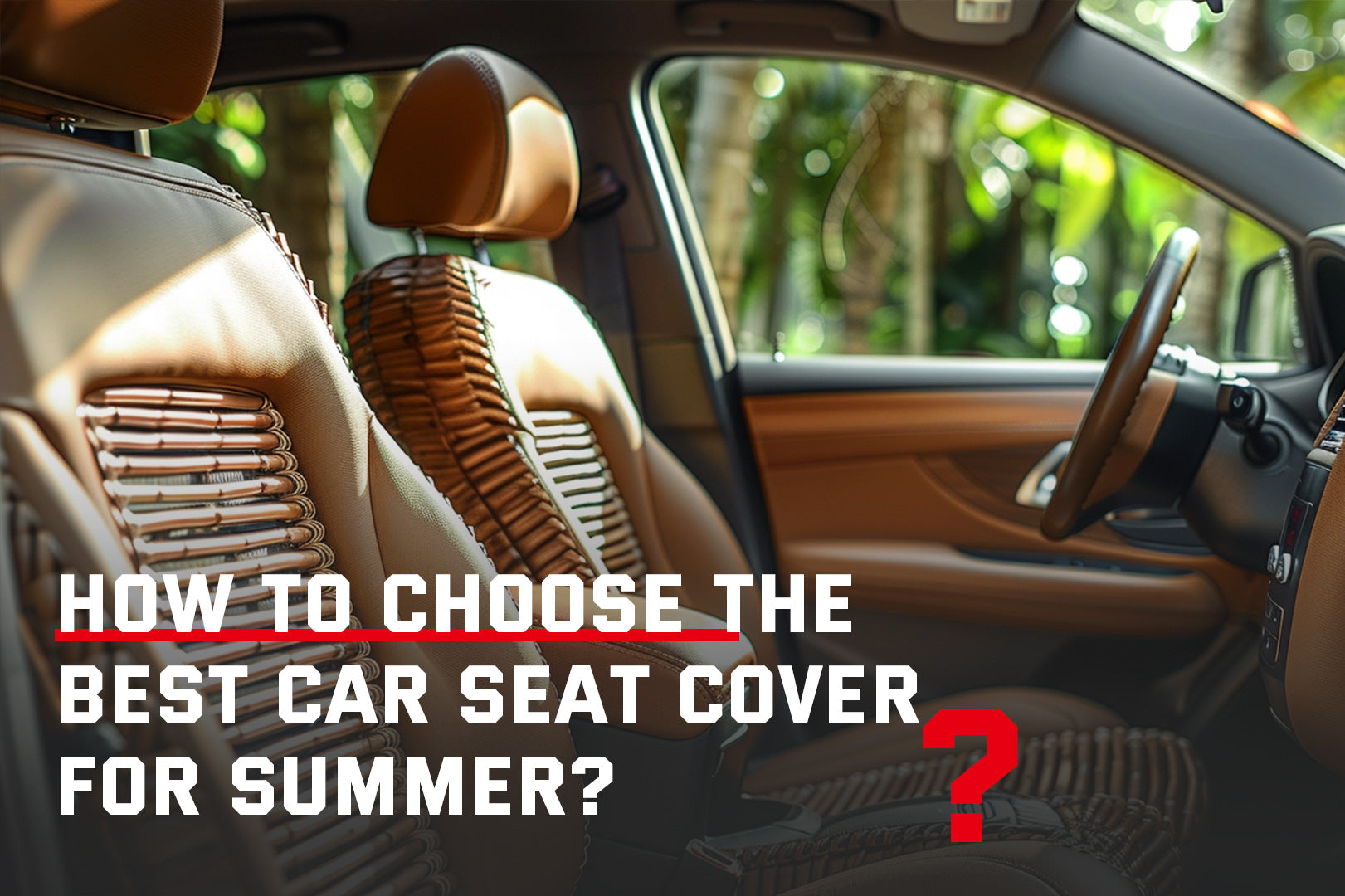
material affects comfort, strength, cleaning, and appearance. There is no single best fabric for every driver. The best choice depends on your weather, routine, and passengers.
Neoprene
Neoprene has a smooth, flexible feel and offers good resistance to light moisture. It is popular with drivers who spend time outdoors or want a snug, sporty look.
It can feel warm in hot weather, especially in a dark color. It may also hold heat when a vehicle sits in direct sun.
Canvas
Canvas is tough and works well for trucks, work vehicles, and active lifestyles. It can resist daily rubbing from tools, work clothes, and pets.
Canvas may feel less soft than other fabrics. Some versions also need more effort to install because they are firm and thick.
Polyester
Polyester is common because it is affordable, light, and easy to clean. Many budget and semi-custom covers use polyester blends.
Quality varies. Thin polyester may slide, fade, or wear faster than a dense woven fabric.
Leather and faux leather
Leather gives a refined look and is easy to wipe clean. Faux leather often costs less and offers a similar appearance.
These materials can become hot in summer and cold in winter. They may also crack over time if exposed to heat, sunlight, or harsh cleaners.
Mesh
Mesh allows more airflow and can improve comfort in warm areas. It works well as a breathable layer, but it may not offer enough protection from large spills or sharp objects.
When thinking about how to choose car seat covers, match the material to your real life. A parent may need easy cleaning. A dog owner may need strong fabric. A driver in a hot state may value airflow more than water resistance.
 material”
style=”max-width: 100%; height: auto; border: 2px solid black; border-radius: 10px; display: block; margin: 0 auto;”
loading=”lazy”
/>
Decide Between Universal, Semi-Custom, and Custom Fit
Fit is one of the most important parts of how to choose car seat covers. A cover that looks good in a product photo may fit poorly in your vehicle.
Universal-fit covers
Universal covers are made to fit a wide range of cars. They are often the least expensive option and can work well for temporary use.
Their limits may include loose edges, wrinkles, exposed seat areas, and poor access to controls. They may also move more during use.
Semi-custom covers
Semi-custom covers are made for a broader group of seat shapes. They usually provide a cleaner fit than universal covers while keeping the price moderate.
They are a practical choice when you want protection without ordering an exact pattern for every seat.
Custom-fit covers
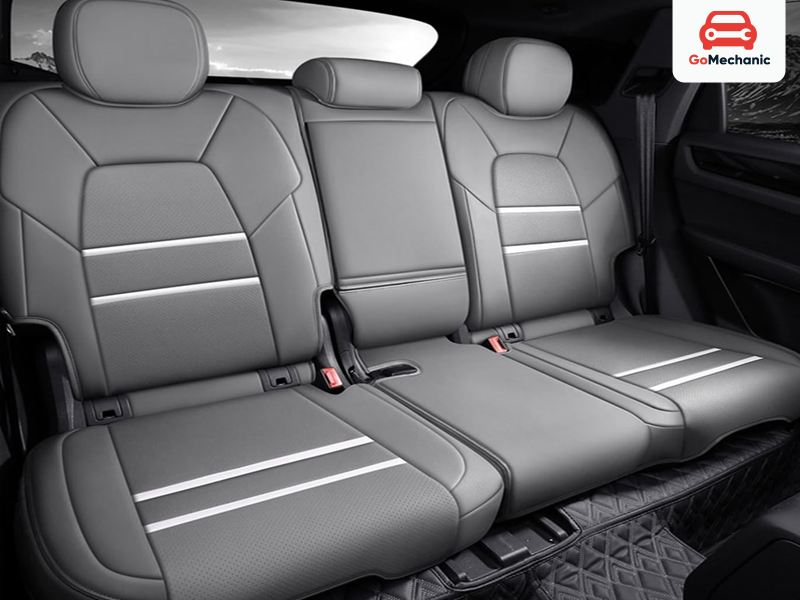
Custom-fit covers are designed for a specific vehicle and seat layout. They usually provide the best appearance and the least movement.
They cost more and may take longer to install. However, they can be worth the price for a newer vehicle, a high-use car, or an interior you want to protect for many years.
Before ordering, compare the product’s fit chart with your exact vehicle. Check whether the listing covers your trim level, seat style, and rear-seat design.
Match the Cover to Your Daily Routine
Think about what your seats face each day. This simple step makes how to choose car seat covers much easier.
Choose water-resistant or washable covers if you often carry:
• Children with snacks and drinks
• Pets with muddy paws
• Sports equipment
• Gardening tools
• Wet clothing or beach gear
Choose durable canvas or heavy woven fabric if you use your vehicle for work. Look for reinforced seams and strong attachment straps.
Choose breathable mesh or lighter fabric if your main concern is heat. If you live in a cold area, thicker material may add comfort, but it should not interfere with seat heaters or controls.
Drivers who want a neat appearance should consider tailored covers with clean seams and hidden attachment points. Drivers who need quick protection may prefer simple covers that are easy to remove and wash.
A useful test is to picture your worst normal day. If your dog jumps in after a rainy walk or your child spills juice, will the cover help or create more work?
Consider Heated, Cooled, and Power Seats
Special seat features need special care. A cover that blocks airflow or traps heat may reduce comfort on ventilated seats. Thick padding may also change how a heated seat feels.
Check the product instructions before using covers on:
• Heated seats
• Cooled or ventilated seats
• Massage seats
• Power-adjustable seats
• Lumbar support systems
• Seat-mounted controls
Do not assume that a cover is safe simply because it fits. Some manufacturers limit the use of seat accessories, especially on seats with heating, cooling, or airbags.
If your seats have ventilation holes, choose a cover designed to allow airflow. If the cover feels unusually hot, smells like melting plastic, or prevents a control from moving, stop using it and check the instructions.

Make Sure Child Seats Still Fit Correctly
Car seat covers and child restraints must work together. A cover should not create a soft layer between the child safety seat and the vehicle seat unless the child seat maker specifically allows it.
Extra padding can change how tightly the child restraint connects to the vehicle. It may also affect the grip of the lower anchors or seat belt.
Before installing a cover, check:
• Whether it has openings for lower anchors
• Whether the seat belt buckle remains easy to reach
• Whether the child restraint sits flat
• Whether the manufacturer allows that type of accessory
• Whether the harness and headrest still move freely
The NHTSA recommends following both the vehicle manual and the child restraint manual. After installation, perform the usual firmness check. The child seat should not move more than one inch from side to side or front to back at the belt path.
For families, how to choose car seat covers includes thinking beyond the cover itself. A clean seat is useful, but safe restraint fit matters more.

Measure Before You Buy
Measurements can prevent many returns. Product photos do not show every seat shape, and “fits most cars” does not guarantee a good result.
Measure the following areas when the seller provides instructions:
-
Seat cushion width
-
Seatback height
-
Seatback width
-
Headrest size
-
Distance between the seat and center console
-
Rear bench width and split design
-
Location of armrests and seat belt buckles
Also take photos of your seats before ordering. Include the front, side, rear, headrest, and buckle areas. These images can help you compare the product design with your vehicle.
Read customer reviews with care. Focus on reviews from people who own the same vehicle generation, not just people who like the color. Complaints about sliding, poor airbag openings, or blocked buckles are important warning signs.
Check Installation and Maintenance Features
A good cover should be secure but not difficult to remove. Look for straps, hooks, buckles, elastic edges, and openings that match your seat design.
Before buying, check:
• Whether installation tools are included
• Whether the cover is machine washable
• Whether it can be dried safely
• Whether the color may bleed
• Whether replacement parts are available
• Whether the seller offers a return policy
Avoid forcing hooks around wiring, power-seat tracks, or sharp metal parts. Loose straps can catch in moving seat mechanisms. Once installed, move the seat through its normal range and check for rubbing or pulling.
In hands-on comparisons, one common mistake is choosing a cover that looks secure but has no simple way to remove it. After a few months, crumbs collect under it, and cleaning becomes a chore. Easy care often matters more than a small style upgrade.
Choose Color and Style With Practicality in Mind
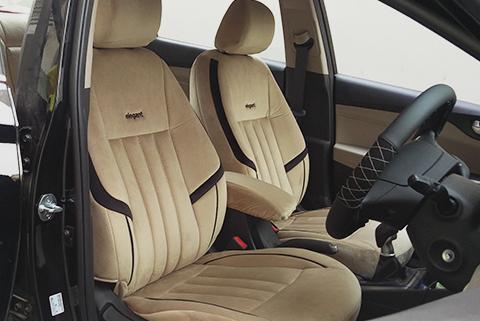
Color affects both appearance and daily cleaning. Dark covers can hide small stains but may show dust, pet hair, and lint. Light colors can make a cabin feel open but may reveal spills quickly.
Consider these options:
• Black or charcoal for a classic look
• Gray for a balanced choice that hides some dust
• Tan or beige for a bright interior
• Patterned fabric for hiding small marks
• Matching front and rear covers for a finished appearance
Avoid covers that block important labels, seat belt paths, or airbag markings. Style should support function, not compete with it.
Also check whether the material has a strong chemical smell. A mild new-fabric smell may fade with ventilation, but a powerful odor that continues for days is a reason to contact the seller.
Compare Price, Warranty, and Value
The cheapest option is not always the best value. A low-cost cover may stretch, slide, fade, or tear quickly. A high-priced cover may also be a poor choice if it does not fit your seats.
When comparing prices, consider:
• Fabric thickness and weave
• Fit type
• Stitch quality
• Airbag compatibility
• Washability
• Warranty length
• Return shipping terms
• Customer support
• Replacement availability
Think about the cost of replacing damaged upholstery. A well-fitted cover can help preserve the interior, but it cannot prevent every form of wear. Covers may also hide existing damage rather than repair it.
A reasonable approach is to buy the best safety-compatible fit you can afford. Prioritize fit and function before color, brand name, or extra pockets.
Avoid These Common Buying Mistakes
Knowing what not to do is a useful part of how to choose car seat covers. Many problems begin with a rushed purchase.
Avoid these mistakes:
• Buying without checking the vehicle year and trim
• Using a front cover that does not mention side airbags
• Choosing a thick cover for a cooled or ventilated seat
• Ignoring child seat compatibility
• Assuming universal means perfect fit
• Covering seat controls or belt buckles
• Cutting airbag openings without instructions
• Leaving loose straps near power-seat tracks
• Choosing a fabric that does not match your climate
• Skipping the return policy
One lesson is especially important: never judge a cover by appearance alone. A smooth, tight-looking cover may still be unsafe or uncomfortable if it blocks an airbag or changes the way a child restraint sits.
A Simple Buying Checklist
Use this checklist before placing your order:
-
Confirm the vehicle year, make, model, and trim.
-
Identify front and rear seat shapes.
-
Check for side airbags and special seat features.
-
Choose an airbag-compatible design.
-
Select a material that suits your climate and routine.
-
Compare universal, semi-custom, and custom-fit options.
-
Measure the seats if the seller provides measurements.
-
Confirm access to seat belts, buckles, controls, and headrests.
-
Check child restraint compatibility if needed.
-
Read care instructions and customer reviews.
-
Review the warranty and return policy.
-
Test the fit after installation before regular use.
This process takes a little time, but it can prevent wasted money and safety problems. It also turns how to choose car seat covers into a clear decision instead of a guess.
Frequently Asked Questions About How to Choose Car Seat Covers
What is the best material for car seat covers?
The best material depends on your needs. Canvas suits heavy use, neoprene helps with light moisture, mesh improves airflow, and polyester offers an affordable, easy-care option.
Are car seat covers safe with side airbags?
They can be safe when they are specifically designed and labeled for seats with side airbags. Never use a cover that blocks the airbag area or cut an opening without clear manufacturer instructions.
Should car seat covers be tight or loose?
They should fit securely without wrinkles, sliding, or restricting seat controls. A tight fit is useful only when the cover is designed for that exact seat and does not interfere with airbags or belts.
Can I use car seat covers with heated seats?
Some covers are compatible with heated seats, but not all are. Check both the vehicle manual and the cover instructions, and avoid thick materials that may trap heat or block seat functions.
Are universal car seat covers a good choice?
Universal covers can work for temporary protection or simple seat designs. Semi-custom and custom-fit covers usually offer better stability, appearance, and access to controls.
Can I use a seat cover under a child car seat?
Do not place a seat cover under a child restraint unless the child seat manufacturer allows it. Extra material can affect the restraint’s fit and may reduce how securely it connects to the vehicle seat.
How often should I wash car seat covers?
Wash them whenever they become stained, damp, or soiled, while following the care label. Regular cleaning helps prevent odors and keeps grit from rubbing against the original upholstery.
Conclusion
Choosing the right car seat covers means balancing safety, fit, comfort, material, maintenance, and price. Start with your vehicle’s seat design, confirm side-airbag compatibility, and choose fabric based on your climate and daily routine. Then check how the cover works with seat belts, child restraints, heated seats, and power controls.
The best cover is not simply the one with the best color or lowest price. It is the one that protects your interior while letting every safety feature work as intended. Use the checklist above, compare trusted options, and share your experience or questions in the comments.