
How To Clean Car Trunk: Easy Step-By-Step Guide
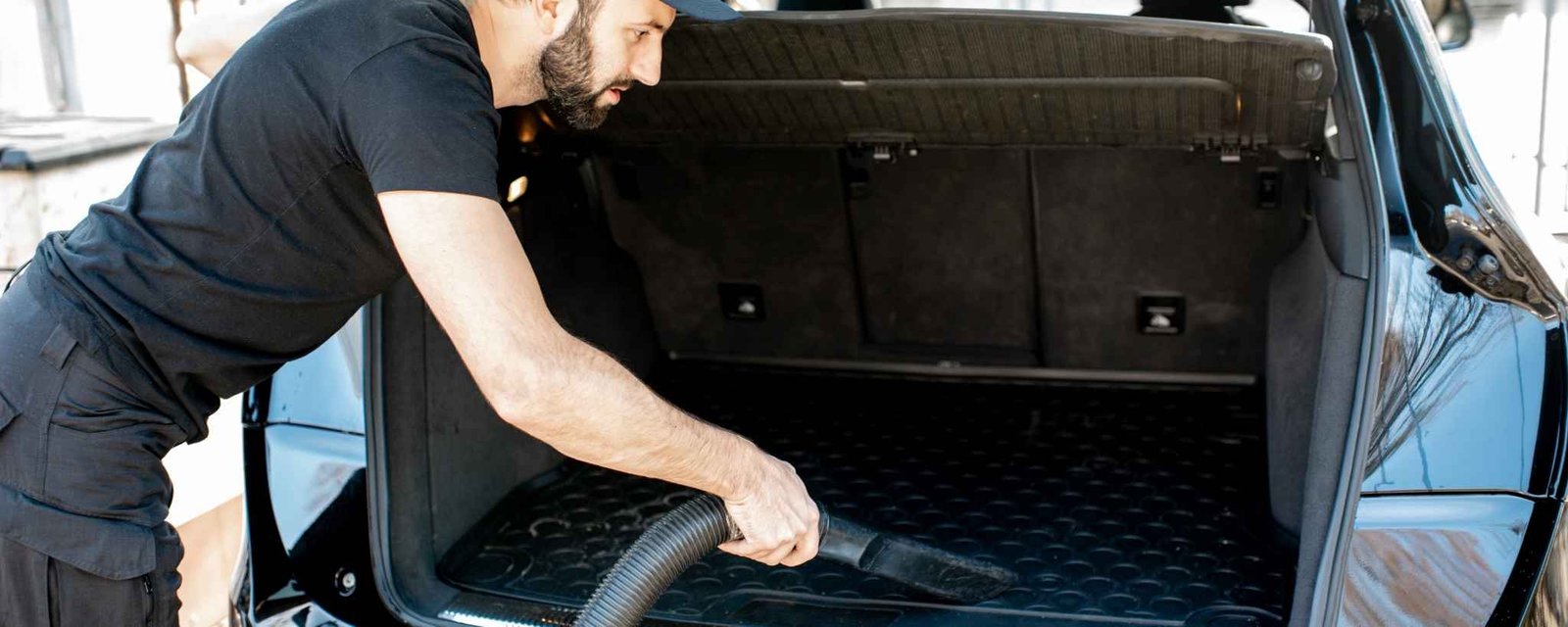
The best way to clean a car trunk is to remove everything, vacuum deeply, wash surfaces, and dry them fully.
A clean trunk does more than improve your car’s looks. It helps prevent odors, mold, stains, and damage to tools, groceries, and luggage. This guide explains how to clean car trunk areas safely, including carpet, plastic panels, spills, stains, and lingering smells. You will also learn which products to use, which mistakes to avoid, and how to keep the trunk fresh with less work.

Why Your Car Trunk Gets Dirty
Your trunk often becomes a storage room on wheels. Shoes, sports gear, grocery bags, umbrellas, tools, and pet items can leave behind dirt, moisture, crumbs, and strong smells.
Dust also enters through the trunk opening and seals. Small leaks can make the carpet damp. A spilled drink may look minor at first, but sugar can leave a sticky film that attracts more dirt.
Learning how to clean car trunk spaces starts with knowing what causes the mess:
• Dirt and sand collect under mats and in corners.
• Food and drinks create stains and odors.
• Wet umbrellas, towels, and clothing can cause mildew.
• Pet hair sticks to carpet fibers.
• Oil, grease, and road products can leave deep marks.
• Loose items scratch plastic panels and damage the carpet.
A dirty trunk can also hide warning signs. Damp carpet, rust near the spare tire, or a musty smell may point to a failed seal or water leak. Cleaning helps you notice these issues early.

What You Need Before You Start
Gather your supplies before opening every compartment. This saves time and helps you avoid using a harsh product on the wrong surface.
For most trunks, you will need:
• A vacuum with a crevice tool
• Microfiber cloths
• Soft detailing brushes or an old toothbrush
• A bucket of warm water
• Mild dish soap or automotive interior cleaner
• Carpet or upholstery cleaner
• A soft scrub brush
• Baking soda for odors
• Rubber gloves
• Paper towels for fresh spills
• A spray bottle
• A clean, dry towel
You may also need a plastic scraper for hardened residue. Use a plastic tool, not a metal knife, because metal can cut carpet or scratch trim.
Before using any cleaner, read the product label. Test it on a hidden spot first. This is especially important for dyed carpet, leather, vinyl, and custom trunk liners.
Do not mix cleaning chemicals. In particular, never mix bleach with ammonia or other household cleaners. Chemical fumes can be dangerous, even in a space that seems small.
How to Clean Car Trunk Step by Step
The safest method is to work from dry cleaning to wet cleaning. This keeps loose dirt from turning into mud and makes the job easier.
1. Empty the entire trunk
Remove bags, tools, cargo organizers, floor mats, and the spare tire cover. Check side pockets and hidden storage areas.
Sort the items into three groups:
• Keep in the trunk
• Move somewhere else
• Throw away or recycle
Wipe each item before putting it back. A dirty organizer can make a freshly cleaned trunk dirty again.
2. Inspect for water or damage
feel the carpet and check under the spare tire. Look for dampness, rust, peeling paint, or water marks.
If the trunk is wet, find the cause before cleaning. Common causes include a damaged weather seal, blocked drain, cracked tail light gasket, or poorly fitted trunk liner.
A professional inspection may be needed if water returns after drying. Cleaning a leak without repairing it is like mopping a floor while the faucet is still running.
3. Remove the trunk mat and liner
Take out removable carpet, rubber mats, and plastic liners. Shake them outdoors to remove loose dirt.
If the liner is rubber or plastic, wash it with warm water and mild soap. Rinse it well and let it dry completely before replacing it.
For carpet mats, vacuum first. Avoid soaking thick mats unless you have enough airflow and time to dry them fully.
4. Vacuum every surface
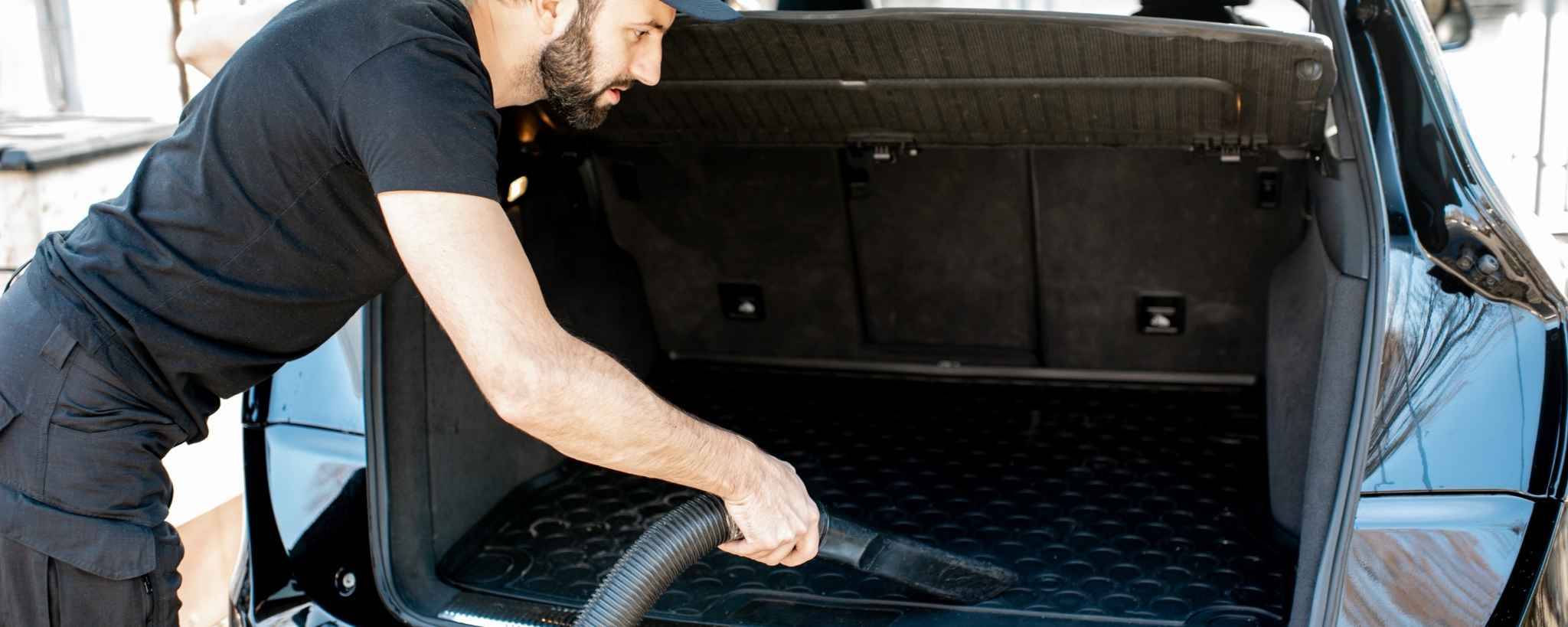
Use the wide vacuum head on the main carpet. Then switch to the crevice tool.
Pay close attention to:
• The edges of the trunk opening
• The area around the spare tire
• Side pockets
• Seatback seams
• Under the trunk carpet
• Around the hinges
• Corners near the tail lights
A soft brush attachment can lift dust from plastic panels without leaving marks. Move slowly. Fast vacuuming often leaves grit behind.
5. Clean plastic and vinyl panels
Spray cleaner onto a microfiber cloth rather than directly onto electrical parts. Wipe the panels, trim, handles, and lid.
Use a soft brush for textured plastic. Avoid soaking buttons, wiring, speakers, and light housings.
For a simple cleaner, mix a small amount of mild dish soap with warm water. Use only enough soap to cut dirt. Too much soap can leave a sticky layer.
6. Clean the carpet
Lightly spray carpet cleaner onto the stained area. Work in small sections with a soft brush.
Do not flood the carpet. Excess water can soak into padding and create a musty smell. Blot with a clean towel instead of rubbing hard, because aggressive rubbing can spread stains and damage fibers.
Rinse the area lightly with a damp cloth if the product label allows it. Then blot again until the towel picks up little moisture.
7. Dry the trunk completely
Leave the trunk open in a safe, dry place. Use fans if possible.
Drying may take several hours, depending on the weather and carpet thickness. Do not close the trunk while the carpet is damp.
Complete drying is one of the most important parts of how to clean car trunk interiors. Moisture trapped under the carpet can lead to mildew, odor, and corrosion.

How to Remove Common Trunk Stains
Different stains need different treatments. Always remove as much of the spill as possible before applying a cleaner.
Food and drink stains
Blot fresh spills with paper towels. Do not rub, since rubbing pushes liquid deeper into the fibers.
Use warm water with a small amount of mild soap. Apply it with a cloth, blot the stain, and repeat as needed.
Sugary drinks may require several passes. If soap remains in the carpet, wipe the area with a clean damp cloth and dry it well.
Oil and grease
First, blot fresh oil with an absorbent towel. For a small spot, sprinkle baking soda or cornstarch over it and let it sit for 15 to 30 minutes.
Vacuum the powder, then use a carpet-safe degreaser. Test the product first, since strong degreasers can fade carpet or damage synthetic fibers.
Never pour a large amount of solvent into the trunk. Strong vapors can remain inside the vehicle and may affect nearby plastic or electrical parts.
Mud and dirt
Let wet mud dry before vacuuming. Dry mud breaks apart more easily and is less likely to spread.
After vacuuming, use a damp cloth or carpet cleaner for the remaining mark. A soft brush can loosen dirt trapped in the carpet.
Pet hair
Use a vacuum with a rubber attachment, a slightly damp rubber glove, or a pet-hair brush. Move in short strokes toward one area.
Vacuum again after gathering the hair. Pet odors may remain even after the hair is gone, so clean the carpet and let it dry fully.
Ink or dye
Blot the mark quickly. Avoid scrubbing.
Use a cleaner approved for automotive upholstery and test it in a hidden place. Some ink stains cannot be removed completely without professional treatment.

How to Remove Bad Trunk Odors
Odors usually come from a source, not from the air alone. Find and remove the source before using an air freshener.
Check for:
• Spoiled food
• Wet towels or clothing
• Pet accidents
• Mold or mildew
• Spilled milk
• Damp carpet padding
• Leaking cargo containers
After cleaning, sprinkle a thin layer of baking soda over dry carpet. Leave it for several hours or overnight, then vacuum it thoroughly.
Activated charcoal odor bags can help absorb mild smells. They do not replace cleaning, but they may help keep the trunk fresh.
Avoid spraying heavy fragrance over a musty smell. This often creates a stronger and more unpleasant odor. If the smell returns after cleaning and drying, inspect for a water leak or hidden moisture.
When learning how to clean car trunk odors, remember that ventilation matters. Open the trunk outdoors, use a fan, and keep the area dry.

How to Clean the Spare Tire Area
The spare tire compartment can hide dirt, water, and rust. Lift the trunk floor and remove the tire, jack, tools, and foam inserts if possible.
Vacuum loose debris first. Wipe plastic sections with mild soap and water, then dry them with a towel.
Inspect the metal well carefully. Small rust spots may need attention before they spread. Deep rust, standing water, or damaged body panels should be checked by a repair professional.
Clean the spare tire and jack before returning them. Make sure the jack is secure and that tools cannot roll around while driving.
Do not store wet items in this compartment. Even a small amount of trapped water can create a lasting musty smell.
Mistakes to Avoid When Cleaning a Car Trunk
A few common habits can cause more harm than good.
• Do not soak the carpet or padding.
• Do not use bleach on automotive carpet or trim.
• Do not spray cleaner into electrical parts.
• Do not close the trunk before every surface is dry.
• Do not use a stiff wire brush on fabric.
• Do not ignore repeated dampness.
• Do not mix household cleaning products.
• Do not return dirty mats and storage bins.
One mistake I learned to avoid is using too much product. More cleaner does not always mean a cleaner result. It can leave residue that attracts dust and makes the carpet feel greasy.
Another lesson is to clean the trunk in sections. Working on one small area at a time gives better control and makes it easier to spot moisture or stains.
If you notice mold, a strong chemical smell, or recurring water damage, consider professional help. Some problems involve the vehicle body, seals, or contaminated padding rather than surface dirt alone.
How to Keep Your Trunk Clean Longer
A short maintenance routine can prevent a large cleanup later.
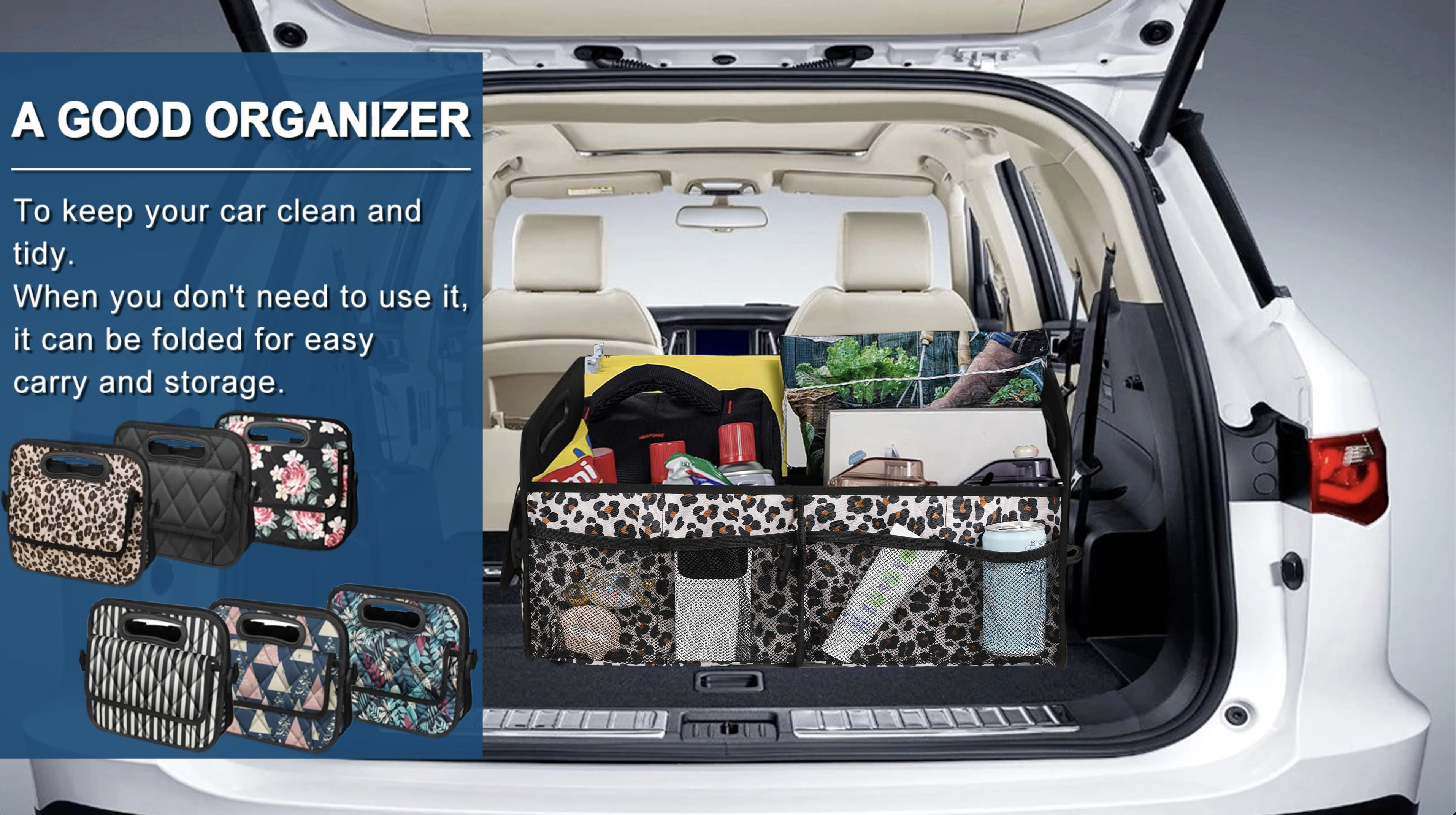
Use a washable cargo liner if you carry groceries, gardening tools, sports equipment, or pets. A good liner catches spills before they reach the carpet.
Keep a small cleaning kit in the vehicle:
• Microfiber cloths
• Disposable gloves
• Paper towels
• Small trash bags
• A compact brush
• A mild interior cleaner
Check the trunk once a week. Remove trash and shake out the mat. Wipe spills as soon as they happen.
A monthly vacuum is enough for many drivers. Clean more often if you have pets, children, outdoor equipment, or frequent road trips.
Store liquids in sealed containers. Place groceries in a stable bin instead of loose bags. These simple steps make how to clean car trunk tasks faster and less frequent.
How Often Should You Clean a Car Trunk?
Most drivers should vacuum the trunk every two to four weeks and perform a deeper clean every few months. Clean it sooner after a spill, muddy trip, pet accident, or wet-weather drive.
Your schedule may depend on how you use the vehicle. A family SUV may need weekly care, while a commuter sedan may stay clean for longer.
Watch for these signs that your trunk needs attention:
• A musty or sour smell
• Visible crumbs or dirt
• Sticky carpet
• Pet hair buildup
• Dampness under the mat
• Stains that are becoming darker
Regular cleaning protects the carpet and helps you notice leaks early. It also keeps the vehicle more pleasant for passengers and can support better resale appeal.
Frequently Asked Questions About How to Clean Car Trunk
Can I use a steam cleaner in my car trunk?
You can use a steam cleaner on some automotive carpets, but use low moisture and follow the equipment instructions. Avoid steam near electrical parts, speakers, sensors, and areas that cannot dry quickly.
How do I clean a car trunk without a vacuum?
Remove loose dirt outdoors, then use a soft brush and microfiber cloth. A handheld brush can help, but a vacuum removes fine grit more effectively from carpet fibers and seams.
How do I get a musty smell out of my trunk?
Find and remove the moisture source first. Clean the carpet, dry it fully, and use baking soda or activated charcoal for mild remaining odors.
Can I wash my trunk carpet with water?
You can lightly wash removable carpet if the material allows it, but avoid soaking fixed carpet and padding. Excess water may cause mildew, corrosion, or a lingering smell.
What is the best cleaner for a car trunk?
A mild automotive interior cleaner or diluted dish soap works for many plastic and fabric surfaces. Always check the label and test the cleaner on a hidden area before full use.
How do I clean oil from a trunk carpet?
Blot fresh oil, apply baking soda or cornstarch, and vacuum it after it absorbs some grease. Then use a carpet-safe degreaser sparingly and dry the area completely.
Why does my trunk smell bad after cleaning?
The odor may come from damp padding, hidden food, pet waste, or a water leak. If the smell returns, inspect under the carpet and around the spare tire well.
Conclusion
A clean trunk starts with removing every item, checking for moisture, vacuuming carefully, and using small amounts of the right cleaner. Treat stains based on their source, dry the carpet fully, and inspect the spare tire area for hidden water or rust.
The most useful habit is simple: clean spills quickly and check the trunk often. Use these steps the next time you clean your vehicle, and share your best trunk-cleaning tip in the comments.