
How To Make Back Seat Comfortable For Dog: Easy Tips
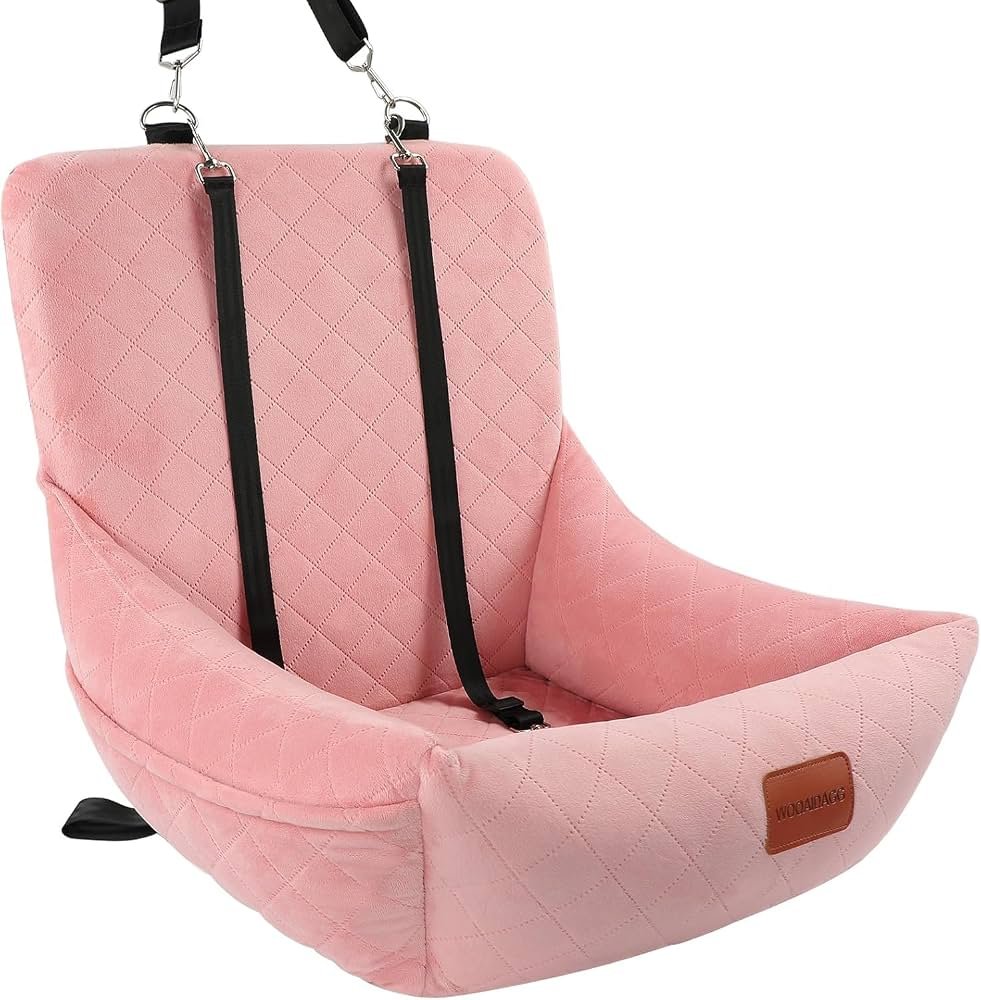
A padded, secure seat, steady temperature, and familiar items can make car rides far calmer and safer for your dog.
Learning how to make back seat comfortable for dog travel is about more than adding a soft blanket. Your dog needs support, fresh air, safe restraint, and enough room to change position without sliding around. This guide explains how to build a calm car space that works for short errands and long road trips.
Start With Safety Before Comfort
The safest back seat is one where your dog cannot climb into the front seat, fall onto the floor, or move around during a sudden stop. Comfort matters, but safety must come first.
A loose dog can be hurt by an airbag, thrown forward in a crash, or become a distraction for the driver. For this reason, avoid letting your dog ride unrestrained, even if they seem calm.
Use one of these options:
• A crash-tested dog harness attached to the vehicle seat belt
• A secured travel crate that fits safely in the back seat
• A vehicle pet barrier for large dogs, used with a proper restraint when possible
• A dog car seat for small dogs, secured to the vehicle rather than held in place by the dog
The Center for Pet Safety recommends choosing products that have been independently tested for travel safety. Many ordinary leashes, collars, and soft carriers are not designed to protect a dog during a crash.
Never attach a seat belt clip to a collar. A sudden stop can place harmful pressure on your dog’s neck. Use a well-fitted harness made for vehicle travel instead.

Choose the Right Back Seat Setup
The best setup depends on your dog’s size, age, health, and travel habits. A small dog may feel secure in a raised car seat, while a large dog often needs a flat, stable surface.
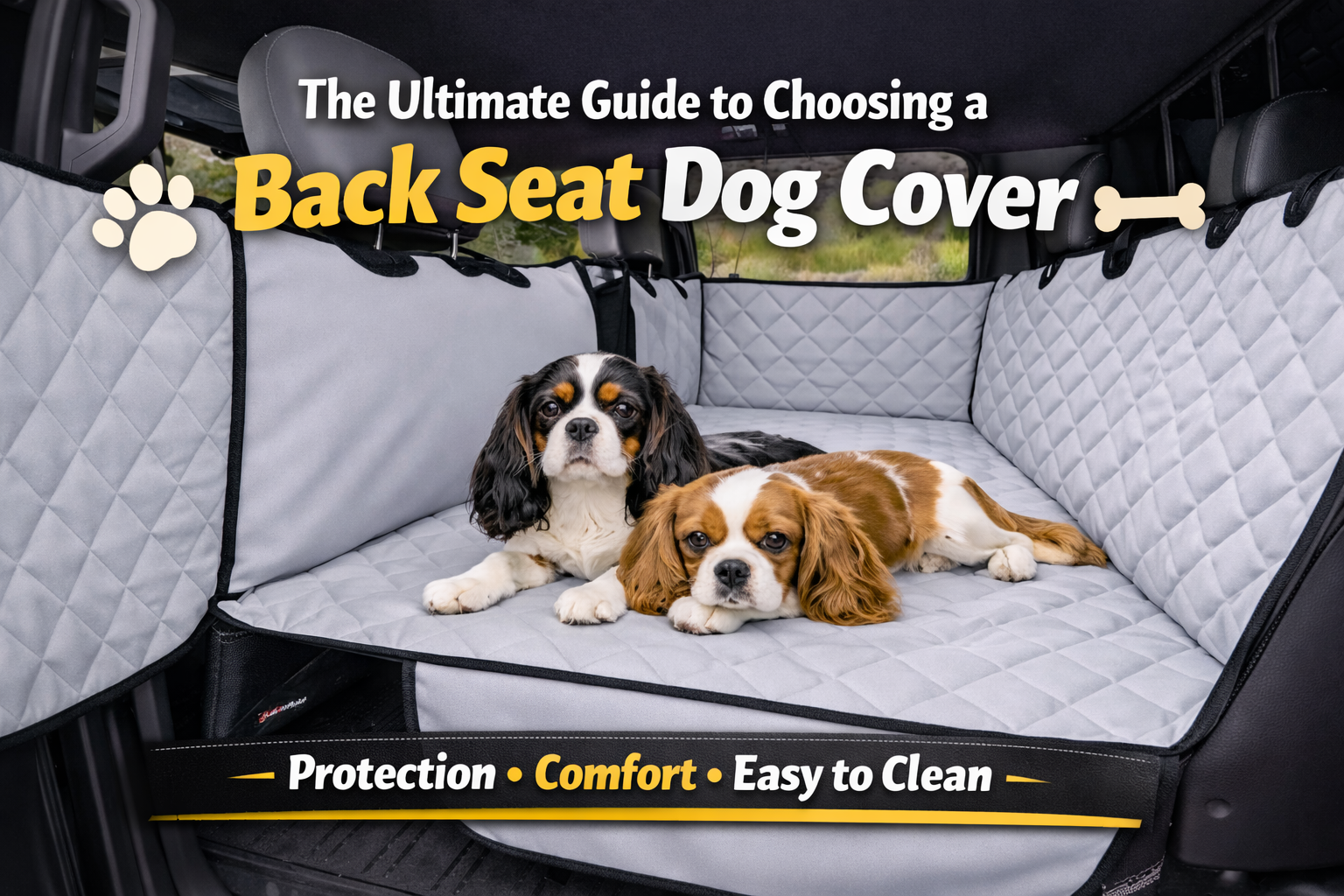
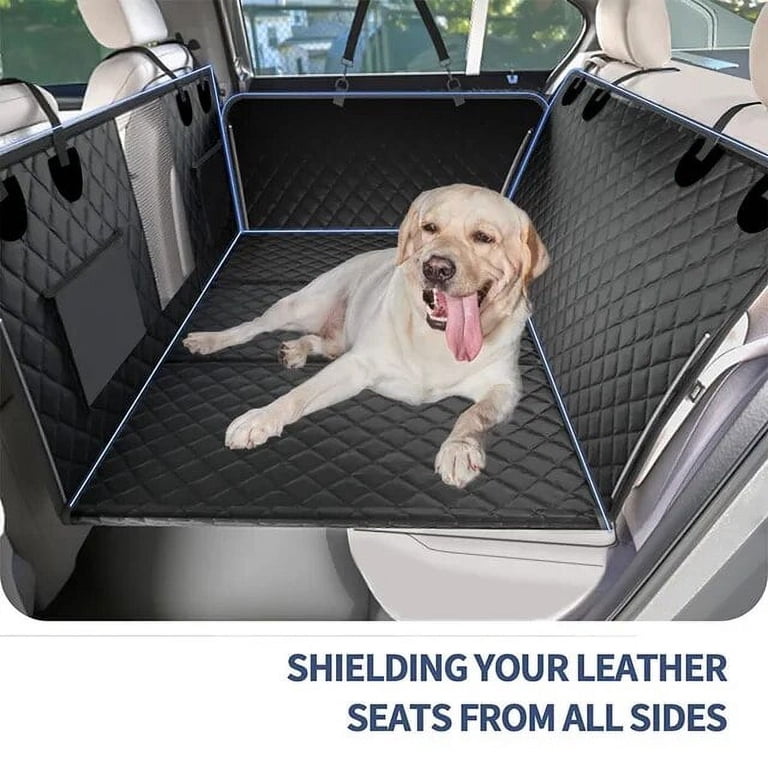
For most cars, a dog hammock or back seat cover is a useful starting point. It can cover the seat and footwell, reduce slipping, and protect the upholstery from hair, mud, and accidents.
When choosing a back seat cover, look for:
• A nonslip bottom
• Strong seat anchors
• Openings for the seat belt
• Waterproof or water-resistant fabric
• Soft padding
• Easy cleaning
• Side flaps that protect the doors
A hammock-style cover can stop a dog from falling into the footwell. However, it should not replace a crash-tested harness. The cover provides comfort and containment, while the harness provides added safety.
If your dog is older or has joint pain, place a thick orthopedic pad over the cover. A firm but soft surface can ease pressure on the hips, elbows, and spine.
This is a key part of how to make back seat comfortable for dog travel, especially for senior dogs or dogs recovering from an injury.

Add a Stable, Supportive Surface
Dogs often become restless because the seat moves under their paws. Leather and smooth fabric can feel like ice to a dog. If your dog cannot stand or sit with confidence, they may pace, pant, or lean against the door.
Place a nonslip mat beneath the dog’s bed or travel pad. The mat should not bunch up when your dog turns around. You can also use a fitted seat cover with a textured base.
For extra comfort, add:
• A washable travel bed
• A folded fleece blanket
• A thin memory foam pad
• A towel for dogs who like to nest
• A cooling mat in warm weather
Do not make the bed so thick that your dog sits too high for the harness to work correctly. The restraint should allow normal movement but prevent your dog from reaching the front seat.
Check the setup by pressing down on each corner. If the bed slides, folds, or tips, it needs better support.
One practical lesson from many dog travel setups is simple: comfort comes from stability. A soft bed that slides is less useful than a firm pad that stays in place.

Give Your Dog Enough Room
Your dog should be able to sit, stand, lie down, and turn around without becoming tangled in the restraint. At the same time, too much space can allow dangerous movement during a sudden stop.
Measure your dog from nose to tail base. Then measure the back seat area from side to side. Your dog’s travel space should feel open but controlled.
For a crate, your dog should be able to:
• Stand without crouching
• Turn around easily
• Lie down on their side
• Stretch their legs
Avoid placing luggage, coolers, or heavy objects beside your dog. These items can shift during travel and cause injury. Keep the area around your dog clear.
If you have two dogs, give each dog a separate restraint. Some dogs travel well together, but separate equipment helps prevent tangling and conflict.
When learning how to make back seat comfortable for dog travel, think of the space as a small bedroom. It should be roomy enough to relax, but organized enough to prevent accidents.
Control the Temperature and Airflow
Dogs can overheat quickly inside cars. Even on a mild day, the temperature inside a parked vehicle can rise fast. Never leave your dog alone in a parked car, even with the windows cracked.
During a drive, use the air conditioner or heater to keep the cabin comfortable. Do not aim strong air directly at your dog’s face for the entire trip. Gentle airflow is better.
Watch for signs of overheating:
• Heavy panting
• Drooling
• Bright red gums
• Weakness
• Vomiting
• Confusion
• Collapse
Short-nosed breeds, overweight dogs, puppies, and senior dogs may have a higher risk of heat stress. Ask your veterinarian about travel plans if your dog has breathing, heart, or temperature-control problems.
In cold weather, avoid placing your dog directly against a cold window. Use a warm blanket, but keep the harness and seat belt easy to access.
Sun shades can reduce glare and heat. However, do not block all airflow or cover the windows in a way that makes the back seat stuffy.
Reduce Motion Sickness and Anxiety
Some dogs dislike car rides because they feel sick. Others fear the sound, motion, or past memories linked to the car. A comfortable back seat can help, but it may not solve serious anxiety by itself.
Start with short, calm trips. Sit in the parked car with your dog for a few minutes. Give praise or a small treat if your dog stays relaxed. Then drive around the block before trying a longer route.
Keep the ride smooth:
• Brake early and gently
• Take turns slowly
• Avoid loud music
• Keep the cabin quiet
• Use a familiar blanket
• Offer a safe chew if your dog can handle one
Do not feed a large meal right before leaving. Many dogs do better with a light meal several hours before travel. Always provide water during longer trips.
Signs of motion sickness may include drooling, lip licking, yawning, whining, vomiting, or repeated swallowing. Speak with your veterinarian if these signs happen often. A veterinarian can suggest safe treatment and rule out health problems.
Never give human motion sickness medicine without professional advice. Some products can be unsafe or incorrectly dosed for dogs.

Use Familiar Items and Calming Scents
Familiar smells can make the back seat feel less strange. Place your dog’s usual blanket or a clean shirt with your scent near the bed. Avoid adding too many new items at once.
A favorite toy may help, but choose one that cannot break into small pieces. Avoid hard chew items that could become dangerous during sudden braking.
Some owners use calming sprays or pheromone products. These may help some dogs, but results vary. They should support training, not replace it.
Do not use essential oils near your dog unless your veterinarian approves the product. Some oils can irritate the lungs or harm pets when swallowed or absorbed.
The goal is to make the back seat feel like a small piece of home. This is another useful part of how to make back seat comfortable for dog travel without creating clutter.
Build a Simple Travel Routine
Dogs often relax when they know what will happen next. Use the same steps before each trip:
-
Take your dog outside for a bathroom break.
-
Offer a small drink of water.
-
Check the harness for a comfortable fit.
-
Place the dog on the prepared seat.
-
Reward calm behavior.
-
Start the car only after your dog is settled.
Keep the first trips short. End the ride before your dog becomes highly stressed. Over time, slowly increase the distance.
A regular routine can help anxious dogs feel more in control. It also helps you catch safety problems before driving, such as a loose strap or tangled leash.
Before every trip, inspect the harness, buckle, crate, and seat cover. Replace damaged equipment. A frayed strap may look harmless but fail when you need it most.

Pack a Dog Travel Kit
A travel kit keeps the back seat clean and helps you handle unexpected problems. Store it in a small bag that you can reach without disturbing your dog.
Include:
• Fresh water
• A travel bowl
• Regular food
• Waste bags
• Paper towels
• Cleaning wipes
• A spare towel
• A leash and collar
• Veterinary records
• Any prescribed medicine
• A favorite blanket
• A basic first-aid kit
For long trips, pack extra food and water. Bring a spare harness if your dog is prone to getting wet or dirty.
Do not give your dog access to a full water bowl while the car is moving if it may spill or cause choking. Offer water during planned stops instead.
Stop every few hours so your dog can stretch, drink, and use the bathroom. Puppies, older dogs, and dogs with medical conditions may need more frequent breaks.
Clean and Maintain the Back Seat
A clean seat is more comfortable and healthier for your dog. Dirt, damp fabric, and trapped hair can cause skin irritation or bad odors.
Wash bedding often, especially after beach trips, hikes, or accidents. Dry everything fully before using it again. Damp bedding can become a breeding place for bacteria and mold.
Vacuum the seat and floor area regularly. Check under the cover for crumbs, sharp items, or small objects your dog could swallow.
For muddy paws, keep a towel near the door. A portable paw cleaner can also reduce mess. If your dog has allergies, use fragrance-free cleaners and wash bedding with a mild detergent.
A clean setup is one of the easiest ways to make back seat comfortable for dog travel over the long term.
Avoid Common Back Seat Mistakes
Even caring owners can make travel mistakes. Most are easy to prevent with a short safety check.
Avoid these problems:
• Letting your dog ride on the driver’s lap
• Using a collar with a seat belt clip
• Allowing your dog to hang its head out of the window
• Leaving the dog alone in a parked car
• Using a crate that slides across the seat
• Covering the seat belt buckle with thick bedding
• Giving a large meal just before departure
• Opening the door before the dog is restrained
• Putting loose objects near the dog
• Using sedatives without veterinary guidance
A dog that hangs out of the window may enjoy the breeze, but flying debris can injure the eyes, ears, and nose. Sudden stops can also cause a dog to fall or jump out.
Open the door only after the leash or harness is attached. This small habit prevents many runaway accidents at parking lots and busy roads.
Make the Setup Fit Your Dog
Every dog has different needs. A young Labrador may want room to stretch, while a small Chihuahua may feel safer in a snug, raised seat. A nervous rescue dog may need more time and fewer changes.
Consider your dog’s:
• Size and body shape
• Age
• Joint health
• Anxiety level
• Motion sickness history
• Coat type
• Bathroom needs
• Ability to settle
If your dog pants heavily despite cool airflow, refuses to sit, cries throughout the trip, or vomits often, ask your veterinarian for help. These signs may point to anxiety, pain, illness, or motion sickness.
For dogs with severe fear, a qualified force-free trainer can create a gradual travel plan. Avoid punishment. Scolding can make the car feel even more threatening.
Good travel comfort is not one product. It is the result of a safe setup, steady practice, and attention to your dog’s signals.
How to Test the Back Seat Before a Long Trip
Test the setup at home before driving several hours. Put the cover, bed, harness, and other items in place. Let your dog explore while the car is parked.
Watch your dog for five to ten minutes. Look for signs that the space is too tight or uncomfortable:
• Repeatedly standing and sitting
• Scratching at the bedding
• Getting tangled in the restraint
• Sliding toward the door
• Panting without heat
• Refusing treats
Next, take a short drive. Ask another adult to observe your dog if possible. Check whether the bed shifts, the harness rubs, or the dog can reach unsafe areas.
Make one change at a time. If you change the cover, bed, restraint, and treats all at once, it is hard to know what helped.
This test is an important step in how to make back seat comfortable for dog travel because it reveals problems before you are far from home.
Frequently Asked Questions About How to Make Back Seat Comfortable for Dog
What is the most comfortable way for a dog to ride in the back seat?
Use a stable, nonslip cover with a padded bed and a properly fitted crash-tested harness. Give your dog enough room to lie down and turn around, while keeping the area free of loose objects.
Should a dog ride in a crate or with a seat belt harness?
Both can work when the equipment fits the dog and is secured correctly. A crate may suit dogs that feel safe in enclosed spaces, while a harness can provide more room for dogs that prefer an open seat.
How can I stop my dog from sliding on the back seat?
Use a nonslip mat beneath a fitted seat cover or travel bed. Seat anchors and a properly adjusted harness can also reduce movement during turns and braking.
What can I do if my dog gets carsick?
Avoid a large meal right before travel, keep the car cool, and take smooth, short trips. If vomiting or heavy drooling continues, speak with a veterinarian about safe treatment options.
Is a dog hammock safe for car travel?
A hammock can improve comfort and stop a dog from falling into the footwell, but it is not a complete safety device. Use it with a suitable restraint that is attached according to the product instructions.
How often should I stop during a long car trip with my dog?
Many adult dogs benefit from a break every two to three hours. Puppies, senior dogs, and dogs with medical needs may require more frequent stops for water, movement, and bathroom needs.
Conclusion
The best way to make back seat comfortable for dog travel is to combine safety, support, space, and calm habits. Start with a secure harness or crate, add a nonslip padded surface, control the temperature, and use familiar items to reduce stress.
Test the setup on short rides before taking a long trip. Watch your dog’s behavior, adjust the space, and ask a veterinarian about motion sickness, anxiety, or health concerns. A few thoughtful changes can turn the back seat from a stressful space into a safe little travel den.
Prepare your dog’s setup before the next ride, and share your best travel tips or questions in the comments.