
How To Plug Vacuum Cleaner In Car: Easy Guide
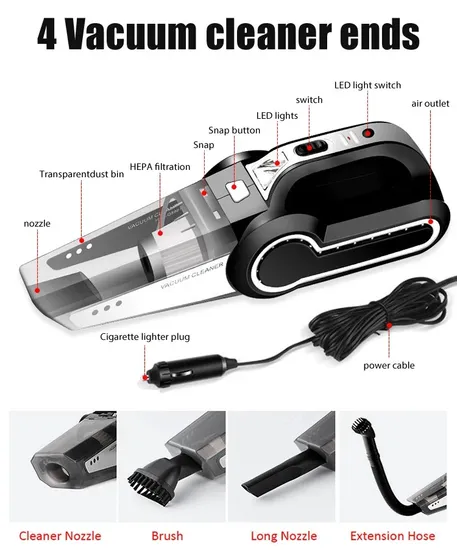
Most car vacuums plug into a 12-volt outlet, while household models need a safe inverter.
Knowing how to plug vacuum cleaner in car keeps cleaning simple and prevents blown fuses, weak suction, or damaged outlets. The right method depends on your vacuum’s power plug, your vehicle’s outlets, and the electrical limits listed in your owner’s manual. This guide explains each safe option, including 12-volt car vacuums, AC household vacuums, cordless models, adapters, and common mistakes to avoid.
Check Your Vacuum Cleaner and Car First
Before learning how to plug vacuum cleaner in car, inspect both the vacuum and the vehicle. Most car vacuums use a 12-volt accessory plug. This plug fits the same type of socket once used for a cigarette lighter.
Some newer vehicles call this outlet an accessory power outlet. It may be located near the center console, under the dashboard, or in the cargo area.
Check these details:
• Vacuum plug type: Look for a 12-volt plug, USB cable, household AC plug, or battery pack.
• Vacuum power rating: Find the amperage or wattage printed on the label.
• Vehicle outlet rating: Your owner’s manual may list a limit such as 10 amps, 15 amps, or 20 amps.
• Battery condition: A weak car battery may not handle long cleaning sessions with the engine off.
• Outlet condition: Do not use a loose, burned, wet, or damaged socket.
A 12-volt outlet is not the same as a household wall outlet. It supplies low-voltage DC power. A regular home vacuum usually needs 120-volt AC power in the United States, so it cannot plug directly into a car outlet.

How to Plug a 12-Volt Vacuum Cleaner Into a Car
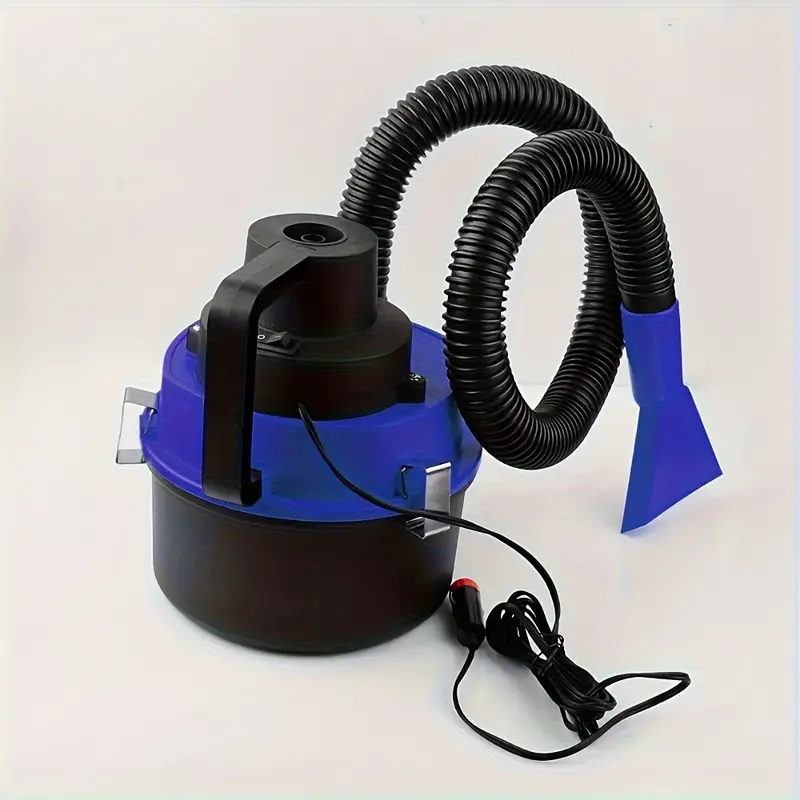
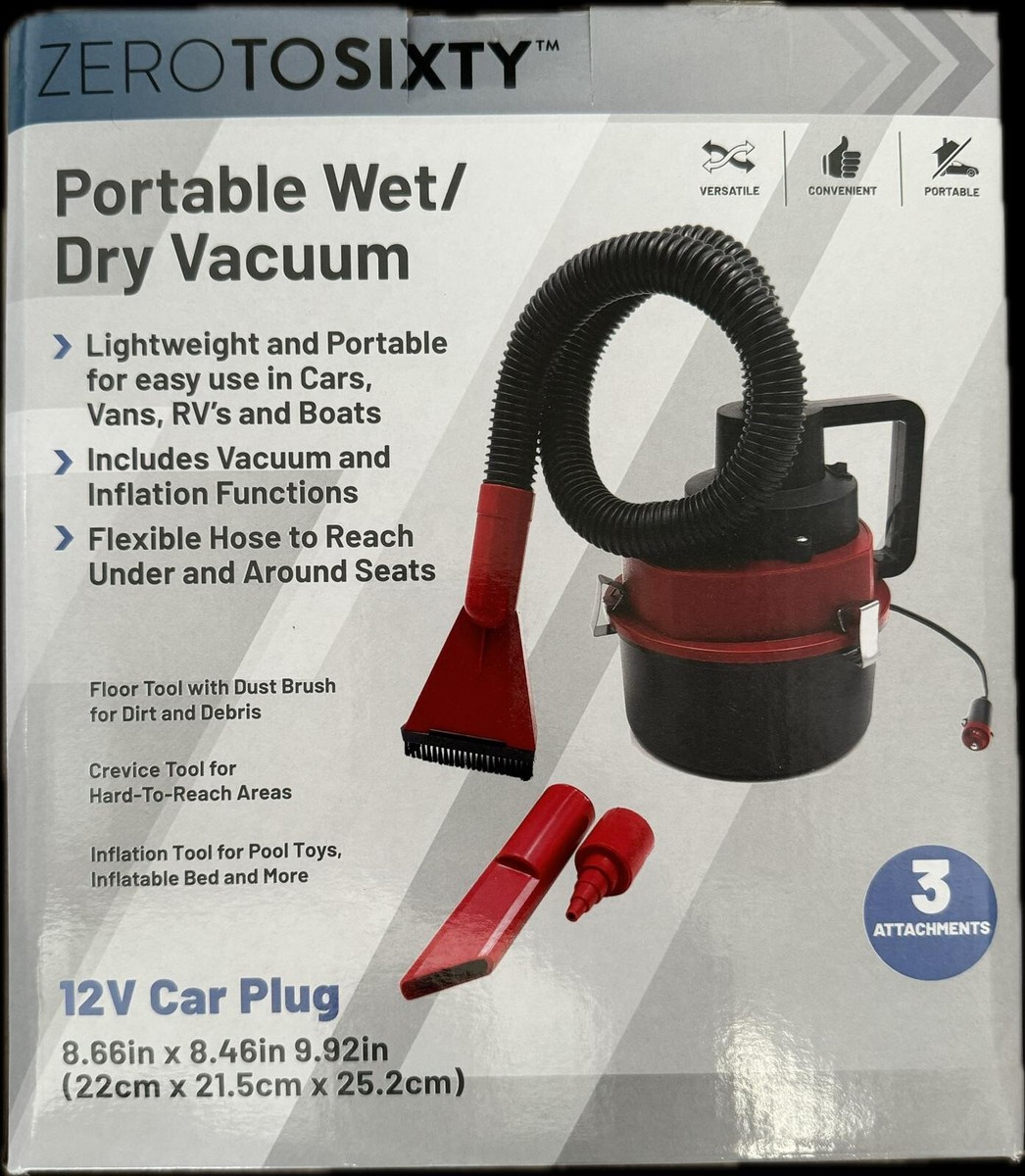
A 12-volt car vacuum is usually the easiest option. It is built for the vehicle’s electrical system and normally has a plug that fits the accessory socket.
Follow these steps:
-
Park the car in a safe, dry place.
-
Turn off the vacuum power switch.
-
Remove dust, coins, or other objects from the accessory outlet.
-
Insert the vacuum plug firmly into the 12-volt socket.
-
Start the engine if the vacuum manual or car manual recommends it.
-
Turn on the vacuum and begin with short cleaning passes.
-
Switch off the vacuum before removing the plug.
-
Unplug the cleaner when finished.
When considering how to plug vacuum cleaner in car, avoid forcing the connector. A plug that feels unusually tight may have the wrong size or a damaged tip.
Keep the cord away from pedals, the gear selector, seat rails, and door hinges. A cord trapped under a seat can become hot or wear through its insulation.
Most 12-volt car vacuums draw between about 8 and 15 amps, but the exact figure varies. Never guess. Compare the vacuum’s rating with the vehicle outlet’s fuse and capacity.
Should the Engine Be Running?
In many cases, running the engine is the safer choice for a corded 12-volt vacuum. The alternator can help supply power while the battery supports the vehicle’s electrical system.
However, this does not mean you should run the engine inside a garage. Carbon monoxide can build up quickly and has no color or smell. Clean outdoors or in a wide-open area.
You may use the vacuum with the engine off for a short session if the battery is healthy. Still, a powerful vacuum can drain the battery faster than many drivers expect.
Use these practical rules:
• Run the engine outdoors for longer cleaning jobs.
• Keep the session short when the engine is off.
• Stop if the lights dim, the vacuum slows, or the vehicle struggles to start.
• Do not leave the key in an accessory position for a long time.
• Turn off other large electrical loads, such as heated seats or rear defrosters.
In my own testing with compact 12-volt cleaners, suction often dropped when the car battery voltage fell. That taught me a useful lesson: a vacuum may still sound normal while quietly placing stress on the battery.

How to Use a Household Vacuum in a Car
A household vacuum with a standard US plug cannot connect directly to a 12-volt vehicle outlet. You need a power inverter that changes the car’s 12-volt DC power into household-style AC power.
The inverter plugs into the vehicle’s accessory outlet or connects directly to the battery, depending on its design. It then provides an AC outlet for the vacuum.
Before using this method, check the numbers:
• Vacuum running wattage: Find the watts on the vacuum label or manual.
• Startup wattage: Motors may need extra power when they start.
• Inverter continuous rating: This should exceed the vacuum’s running wattage.
• Inverter surge rating: This should cover the vacuum’s starting demand.
For example, a vacuum that uses 600 watts may need an inverter rated above 600 watts continuously. A small 150-watt car inverter will not run it safely.
The math is simple:
Power in watts = voltage × current
A 600-watt vacuum may require roughly 5 amps at 120 volts on the AC side. On the 12-volt car side, the inverter may draw more than 50 amps after accounting for conversion loss. That load is far beyond what many accessory sockets can provide.
This is why many household vacuums are a poor match for small plug-in inverters. A battery-powered car vacuum is often safer, simpler, and more practical.
Using an Inverter Safely
If you must use a household vacuum, choose an inverter made for the required load. Read the vacuum manual and inverter instructions before connecting anything.
Use these precautions:
-
Select a pure sine wave inverter when the vacuum manufacturer requires it.
-
Avoid using a low-cost inverter that is smaller than the vacuum’s rated wattage.
-
Plug the inverter into the correct outlet only.
-
Do not use a multi-plug extension block unless the inverter instructions allow it.
-
Keep the inverter dry and well ventilated.
-
Stop if the inverter becomes very hot, smells burnt, or shuts down.
-
Do not connect a large inverter to a small accessory socket unless the vehicle manual approves it.
Large inverters often need direct battery connections with an inline fuse. This is more complex than plugging into the dashboard outlet. Incorrect wiring can cause sparks, melted cables, or a vehicle fire.
For most drivers, the best answer to how to plug vacuum cleaner in car is not “use the biggest inverter.” It is “use a vacuum designed for the car.”

Cordless and USB Car Vacuums
A cordless vacuum is often the easiest car-cleaning tool. You charge it at home, then use it without connecting to the vehicle at all.
Some models charge through USB-C. Others use a dedicated wall charger or a 12-volt charging cable. Check whether the charging cable is designed for your vehicle’s USB port.
A USB port may provide only 5 watts to 30 watts, depending on the vehicle. That is enough to charge some small devices, but not enough to power a strong vacuum while it runs.
Keep these points in mind:
• Charge the battery fully before cleaning.
• Use the correct charger and cable.
• Do not charge a damaged or swollen battery.
• Let the vacuum cool before placing it in a hot car.
• Store lithium-ion batteries away from extreme heat.
Cordless models also have limits. Their suction may be lower than a household vacuum, and their run time may last only 15 to 30 minutes. For crumbs, sand, hair, and light dirt, that is often enough.

Common Mistakes to Avoid
Learning how to plug vacuum cleaner in car also means learning what not to do. Many electrical problems start with a small shortcut.
Avoid these mistakes:
• Plugging a household vacuum directly into a 12-volt outlet.
• Using an inverter with a lower watt rating than the vacuum.
• Running a high-power vacuum from a USB port.
• Leaving the vacuum connected after cleaning.
• Using a damaged plug, frayed cord, or loose adapter.
• Operating electrical equipment near spilled water.
• Replacing a blown fuse with one that has a higher rating.
• Cleaning inside a closed garage while the engine runs.
• Blocking the vacuum’s cooling vents.
• Pulling the cord to remove the plug.
If the outlet fuse blows, unplug the vacuum before replacing the fuse. Use only the fuse rating specified by the vehicle manufacturer. A larger fuse may allow dangerous current to flow through wiring that was not designed for it.
A blown fuse can also signal a short circuit or an overloaded outlet. If the new fuse fails again, stop troubleshooting and have the vehicle inspected.

How to Get Better Suction While Cleaning
Power is only one part of car vacuum performance. Technique matters too. Start by removing floor mats and shaking loose dirt outside the vehicle.
Use the right attachment for each surface:
• Crevice tool: Use it between seats and along the console.
• Brush tool: Use it on vents, dashboards, and textured plastic.
• Wide nozzle: Use it on carpets and floor mats.
• Flexible hose: Use it under seats and around seat rails.
Clean from the top down. Begin with the dashboard and seats, then finish with the floor. This prevents dust from falling onto areas you already cleaned.
Move the nozzle slowly. Fast passes may leave sand and hair behind because the vacuum has less time to lift debris. Empty the dust bin before it becomes full, since a packed filter can reduce airflow.
I once spent extra time blaming a small car vacuum for weak suction. The real problem was a clogged filter. After cleaning the filter and clearing the nozzle, the same vacuum worked much better. Check maintenance before replacing equipment.
Choosing the Best Power Option
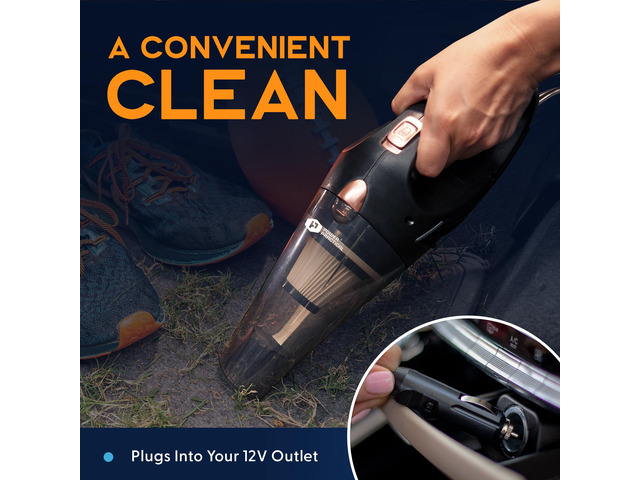
The best way to plug vacuum cleaner in car depends on your cleaning needs and vehicle.
Choose a 12-volt vacuum if:
• You want a low-cost, simple solution.
• You clean crumbs and light dirt often.
• Your car has a working accessory outlet.
Choose a cordless vacuum if:
• You want freedom from cables.
• You clean more than one vehicle.
• You prefer quick spot cleaning.
Choose an AC vacuum with an inverter if:
• You already own a compact, low-watt vacuum.
• The inverter can handle both running and startup power.
• You understand the vehicle’s electrical limits.
Avoid using an inverter for large shop vacuums unless the system is professionally planned. A shop vacuum may need far more power than a dashboard outlet can deliver.
Before buying, compare suction, battery run time, filter design, noise, hose length, warranty, and replacement parts. A cheap vacuum that overheats or loses suction may cost more over time.

Safety Checklist Before You Start
Use this short checklist each time:
• Park outside or in a well-ventilated area.
• Read the vacuum and vehicle manuals.
• Confirm the plug and voltage match.
• Check the outlet and cord for damage.
• Keep water away from electrical parts.
• Keep cords away from pedals and moving parts.
• Do not exceed the outlet’s fuse rating.
• Turn the vacuum off before unplugging it.
• Disconnect the vacuum after use.
• Let hot equipment cool before storage.
These steps take less than a minute. They also reduce the chance of a dead battery, damaged outlet, electrical short, or personal injury.
Frequently Asked Questions About How to Plug Vacuum Cleaner in Car
Can I plug a regular vacuum cleaner into my car?
No. A regular US household vacuum needs 120-volt AC power, while a car outlet normally supplies 12-volt DC power. You need a correctly rated inverter, but many household vacuums require more power than a car outlet can safely provide.
Can I use a car vacuum with the engine off?
Yes, if the vacuum and vehicle allow it and the battery is healthy. Keep the session short, because a 12-volt vacuum can drain the battery and leave the car unable to start.
Is it safe to use an inverter with a car vacuum?
It can be safe when the inverter has a suitable continuous and surge rating, proper ventilation, and the correct connection. Never use an inverter that is too small for the vacuum or connect high-power equipment to an underrated outlet.
Can I run a vacuum from a car USB port?
Usually, no. Most USB ports do not provide enough power to operate a vacuum, although they may charge a compatible cordless model.
Why does my car vacuum keep stopping?
A full dust bin, blocked filter, clogged nozzle, weak battery, overheated motor, or overloaded outlet can cause shutdowns. Turn it off, let it cool, clean the filter, and check the power rating before using it again.
Will a car vacuum drain my car battery?
It can, especially when the engine is off. Short cleaning sessions are less risky, but longer use with a high-current vacuum may weaken or drain the battery.
Can I use a 12-volt vacuum in every car?
Most 12-volt vacuums fit standard accessory outlets, but outlet ratings and plug designs can vary. Check the vehicle manual and vacuum instructions before use.
Conclusion
The safest way to plug vacuum cleaner in car is to match the vacuum’s power type with the vehicle’s outlet. Use a 12-volt car vacuum for direct connection, a cordless model for convenience, or a properly sized inverter only when the electrical requirements are clear.
Check wattage, protect the battery, keep cords away from moving parts, and never ignore heat, burning smells, or blown fuses. With the right setup, cleaning your car becomes quick and stress-free. Choose the power method that fits your vehicle, try these steps on your next clean, and share your experience or questions in the comments.