
How To Get Gas Smell Out Of Car Carpet Fast: Quick Fix
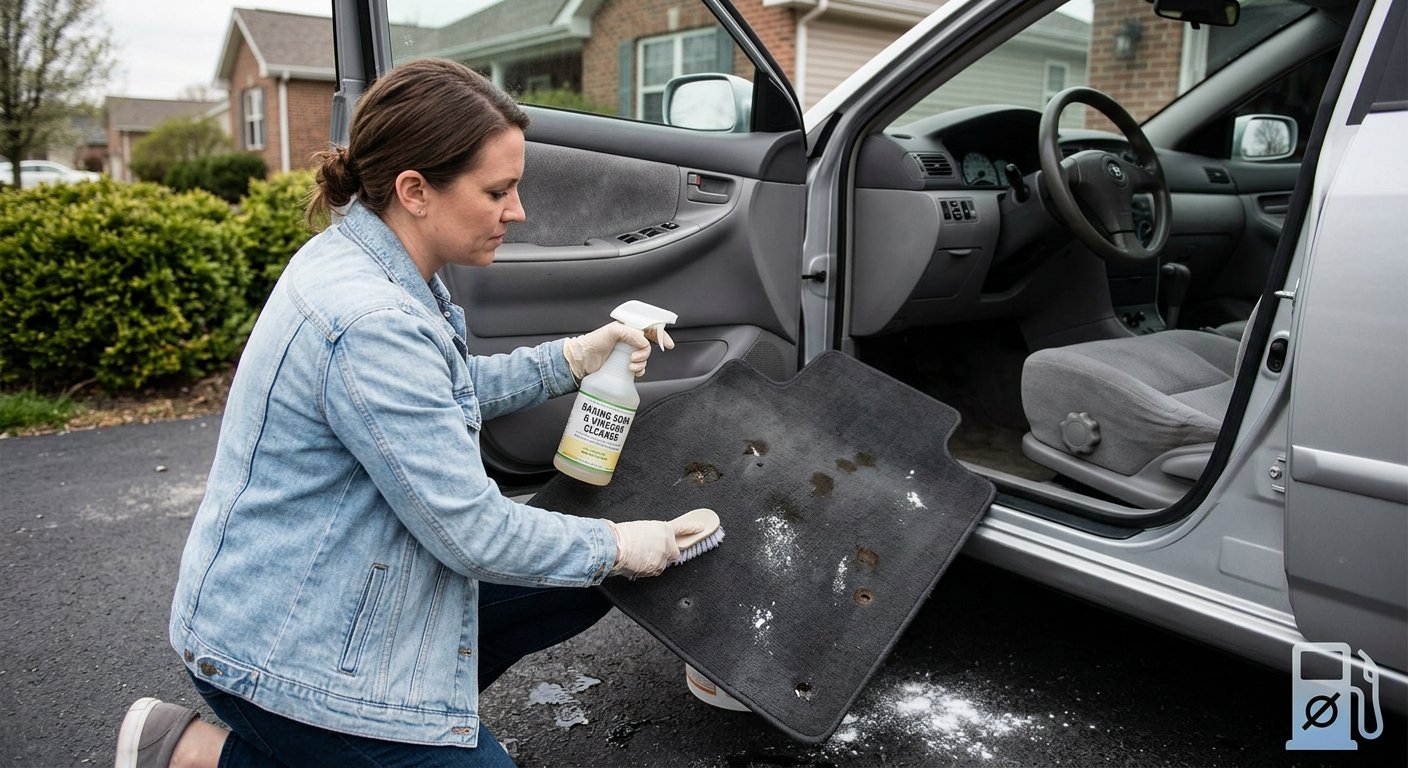
Blot the spill, air out the car, then use dish soap and baking soda to remove gasoline odor quickly.
Gasoline odor can cling to carpet fibers, padding, and plastic trim long after the visible fuel is gone. The fastest fix is not a strong air freshener. You need to remove the fuel residue, dry the carpet fully, and let fresh air carry away the fumes. This guide explains how to get gas smell out of car carpet fast while keeping fire and health risks in mind.
Safety Comes First
Gasoline is highly flammable. Its vapors can collect inside a closed car, especially under seats or in carpet padding. Before cleaning, move the vehicle outdoors and park it away from flames, cigarettes, heaters, outlets, and other ignition sources.
Open every door and window. If the smell is very strong, leave the car outside with the doors open for several hours before you begin cleaning. Do not use a hair dryer, heat gun, steam cleaner, or shop vacuum until you are sure no liquid fuel remains.
Wear chemical-resistant gloves. If you feel dizzy, sick, confused, or short of breath, leave the area and breathe fresh air. A large spill may require professional cleanup because gasoline can soak deeply into insulation and upholstery.

Why Gasoline Smell Lingers in Car Carpet
Gasoline has a sharp odor because it releases volatile compounds into the air. Even a small spill can spread across a wide area and soak below the carpet’s surface.
Most vehicle carpet has several layers:
• Carpet fibers that hold surface fuel
• A foam or felt underlay that absorbs liquid
• A hard floor pan that can trap residue in seams
• Seat rails and trim pieces that may collect drops
This is why simply wiping the top of the carpet often fails. The upper fibers may feel dry while the padding below still releases odor. Think of it like a wet sponge hidden under a towel: the smell continues until the deeper layer is cleaned or removed.
How to Get Gas Smell Out of Car Carpet Fast
Follow these steps in order. Work outdoors, keep the car ventilated, and do not rush the drying stage.
1. Find and remove the source
Check the carpet, floor mat, seat edges, door sill, and the area beneath the seats. If a gas can leaked, inspect the trunk or cargo area too.
Remove any contaminated floor mats from the car. Place them outdoors on a nonflammable surface. If the carpet is heavily soaked, lift an edge if possible and inspect the padding underneath.
2. Blot fresh gasoline
Use old towels, absorbent rags, or oil-absorbent pads. Press down firmly, then lift the towel straight up. Repeat with clean sections until the surface feels nearly dry.
Do not rub the spill. Rubbing pushes fuel farther into the carpet and spreads the odor. Place used towels in a safe outdoor area away from heat until you can dispose of them according to local hazardous-waste rules.
3. Apply an absorbent powder
Cover the affected area with a thick layer of baking soda, cornstarch, or unscented clay-based absorbent. Baking soda is useful for mild odor, while a garage oil-absorbent product works better for a larger spill.
Leave the powder in place for at least 30 minutes. For a strong odor, let it sit for several hours outdoors. Sweep or vacuum it up only after the carpet is dry and free of liquid gasoline.
4. Wash with mild dish soap
Mix:
• Two cups of warm water
• One teaspoon of grease-cutting dish soap
• One clean microfiber cloth
Test the solution on a hidden spot first. Dip the cloth into the mixture, wring it out well, and dab the carpet. Avoid soaking the floor because excess water can push gasoline into the padding.
Work from the outside of the stain toward the center. This limits the spread of the residue.
5. Rinse without flooding the carpet
Use a second cloth dampened with clean water. Dab the area to remove soap. Keep the cloth damp, not dripping wet.
Soap left in the carpet can attract dirt and create a sticky surface. However, too much rinse water can carry fuel deeper, so use small amounts.
6. Dry the carpet completely
Blot the cleaned area with dry towels. Leave the doors and windows open outdoors. A fan may help if it is placed outside the vehicle and blows fresh air toward the open car, but keep electrical equipment away from gasoline vapors.
Drying may take several hours. Do not close the car until the carpet and padding are fully dry. Trapped moisture can cause mildew, which creates a second unpleasant smell.
7. Use baking soda again if needed
Once the carpet is dry, apply another light layer of baking soda. Leave it overnight, then remove it the next day.
This second treatment often helps with the last trace of odor. It works best after the fuel residue has already been cleaned, not as a substitute for cleaning.

How to Clean Gasoline From Carpet Padding
If you still smell gasoline after cleaning the surface, the padding probably absorbed the spill. Carpet padding can hold odor for days because it is thick, porous, and difficult to rinse in place.
Lift the carpet carefully if the vehicle design allows it. Many cars have trim clips, seat mounts, and wiring beneath the carpet, so avoid pulling hard or cutting near cables.
Inspect the padding for wet spots or a strong odor. If it is soaked, replacement is often faster and safer than repeated cleaning. A professional auto detailer can remove the carpet, clean the floor pan, and dry each layer separately.
Never pour large amounts of water or cleaner into the carpet. That can spread the fuel, damage wiring, and increase drying time.
Best Products for Removing Gas Odor
The right product depends on the size and age of the spill.
• Baking soda works well for mild leftover odor.
• Oil-absorbent granules help with fresh liquid fuel.
• Mild dish soap breaks down oily residue on carpet fibers.
• Enzyme cleaners may help with general organic odors, but they are not designed to remove gasoline itself.
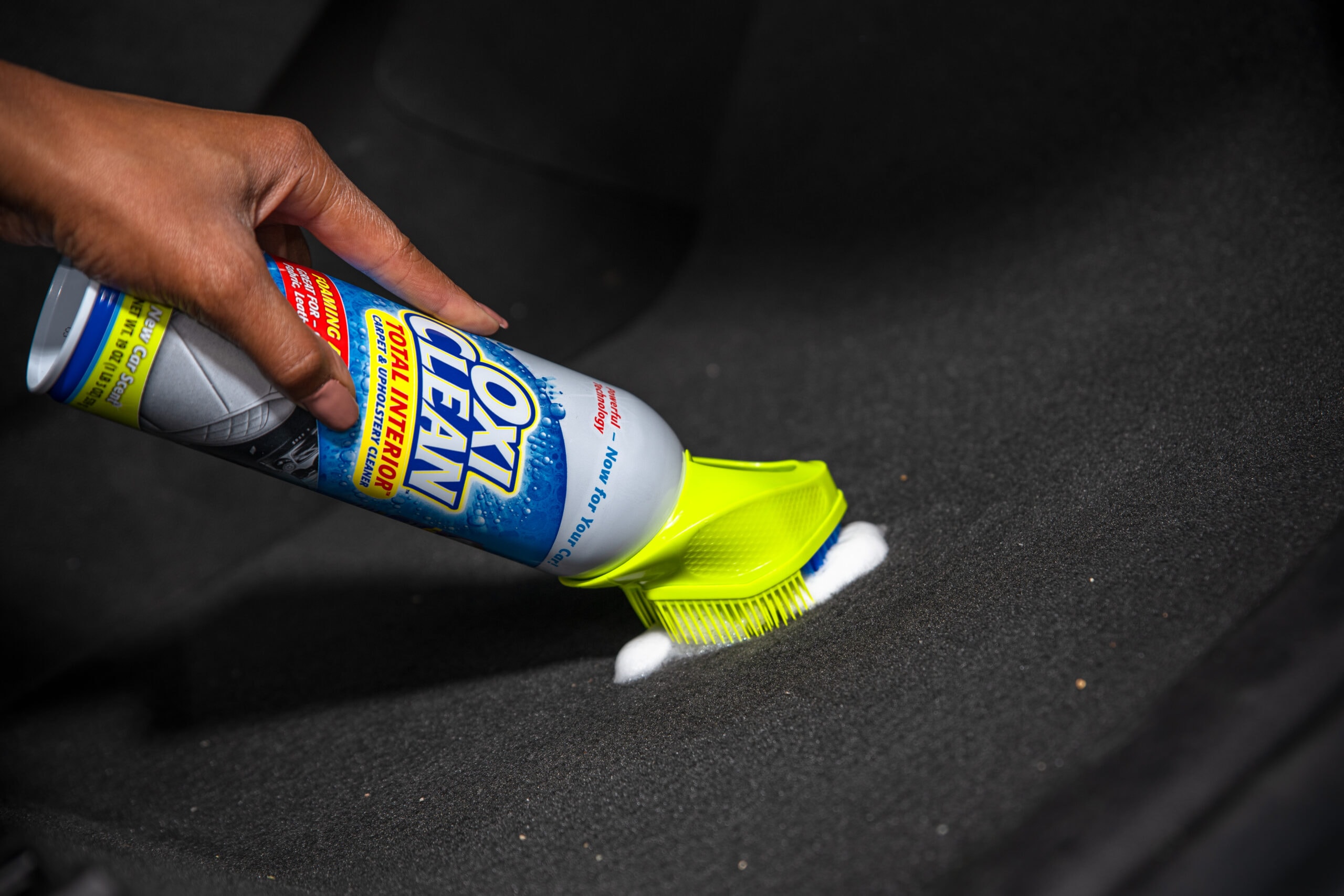
• Automotive carpet cleaners can help after the fuel has been absorbed and the area is safe.
• Activated charcoal can absorb lingering odor from the cabin air after cleaning.
Avoid bleach, ammonia, strong solvents, and perfume sprays. Mixing cleaners can create harmful fumes, and fragrance only covers the odor for a short time.
Ozone machines should not be a first step. Ozone can irritate the lungs and damage rubber, plastics, and some interior materials. If a professional uses ozone, the vehicle should be empty, the treatment should be controlled, and the cabin must be aired out fully afterward.

Common Mistakes That Make the Smell Worse
Some quick fixes seem helpful but can spread the problem.
• Do not use an air freshener before removing the fuel.
• Do not steam-clean a gasoline-soaked carpet.
• Do not use a household vacuum on wet gasoline.
• Do not leave fuel-soaked rags inside the vehicle.
• Do not close the windows to “trap” a deodorizer.
• Do not smoke or use a lighter near the car.
• Do not mix baking soda with bleach or other cleaners.
One mistake I often see in cleanup work is adding too much water too soon. The carpet looks cleaner on top, but the padding becomes wetter and the smell returns when the cabin warms up. Small amounts of cleaner, strong blotting, and patient drying work much better.
When to Call a Professional
A professional detailer or hazardous-material cleanup service is the safest choice when:
• The carpet is saturated.
• Gasoline reached the seat foam or headliner.
• The odor remains after two complete cleaning and drying cycles.
• The spill reached electrical wiring or connectors.
• You feel ill when sitting inside the car.
• The fuel came from a damaged tank, fuel line, or injector.
A shop may remove the seats and carpet, replace the padding, clean the metal floor, and inspect for leaks. This can cost more than home cleaning, but it may prevent repeated odor, interior damage, and unsafe vapor buildup.
If gasoline leaked because of a damaged fuel system, do not drive the car until it has been inspected. A fuel leak is a mechanical safety issue, not only an odor problem.
How to Prevent Gasoline Odor in the Future
A few simple habits can prevent another difficult cleanup.
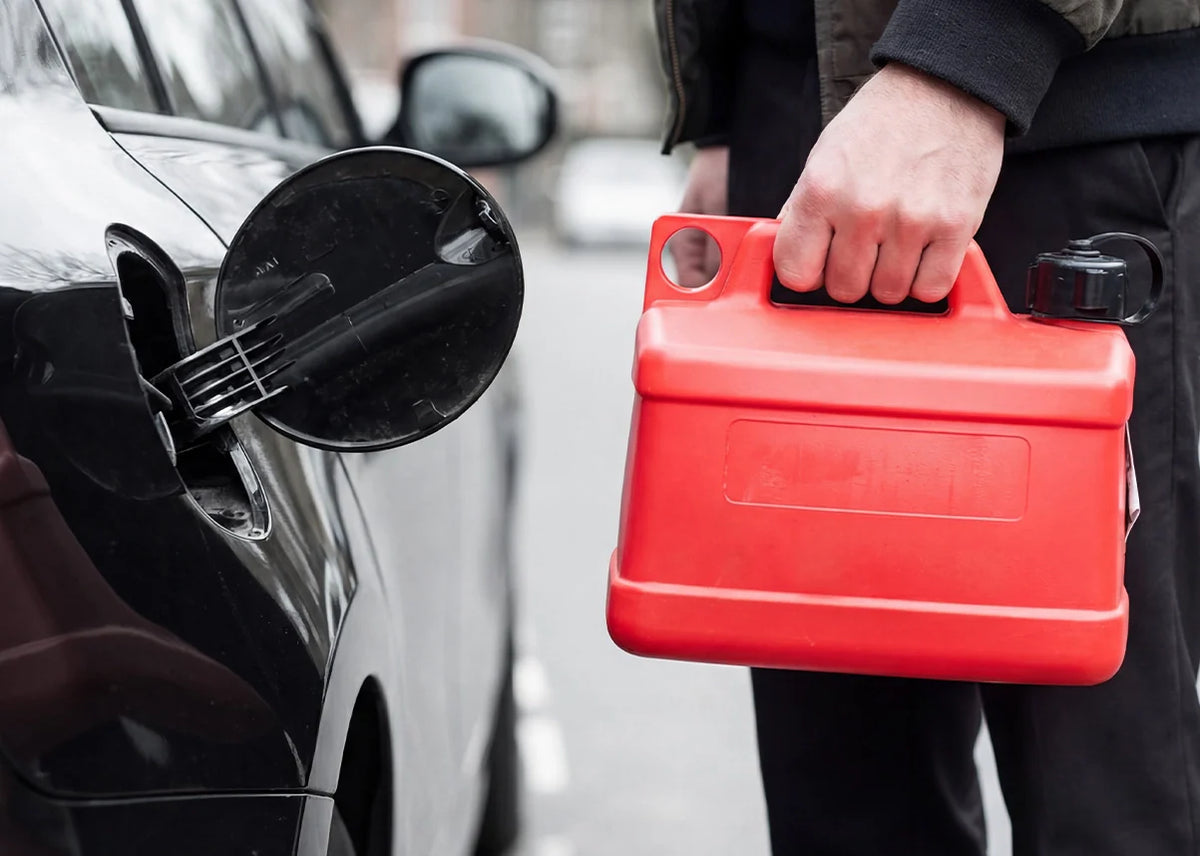
• Keep fuel containers upright and secured.
• Use an approved fuel container with a tight cap.
• Place the container in a separate cargo area when possible.
• Do not fill a portable container inside the passenger cabin.
• Check the cap and spout for leaks before transport.
• Put a washable plastic tray beneath a fuel container.
• Remove fuel containers from the car as soon as you arrive.
• Inspect floor mats and carpet after transporting gasoline.
A sealed plastic bag can help contain a clean container, but it is not a substitute for a proper fuel can. Do not store gasoline inside a hot vehicle, even for a short time.
How Long Does Gasoline Smell Last in a Car?
A small, properly cleaned spill may improve within a few hours and disappear within one or two days. A larger spill that reaches the padding can last for weeks without removal or professional treatment.
Heat makes the odor stronger because gasoline vaporizes faster in warm conditions. If the smell returns when the car sits in the sun, hidden residue may still be present.

Frequently Asked Questions
What is the fastest way to remove gasoline smell from car carpet?
Blot the spill, ventilate the vehicle outdoors, use an absorbent powder, and clean the carpet with a small amount of dish-soap solution. Dry the carpet and padding fully before closing the doors.
Will baking soda remove gas smell from car carpet?
Baking soda can reduce mild leftover odor, but it will not remove a large amount of liquid gasoline. Use it after blotting and cleaning rather than as the only treatment.
Can I use vinegar to remove gasoline odor?
Diluted vinegar may help with some household odors, but it is not a reliable solution for gasoline residue. It can also leave its own smell, so proper blotting, cleaning, and ventilation are better choices.
Is it safe to vacuum gasoline from car carpet?
Do not use a standard household vacuum on wet gasoline. Gasoline vapors can ignite inside or near the vacuum motor; wait until no liquid fuel remains and follow the equipment manufacturer’s safety guidance.
Why does my car still smell like gas after cleaning?
The fuel may have soaked into carpet padding, seat foam, seams, or the floor beneath the carpet. Lift and inspect the deeper layers, or have a professional remove and replace contaminated padding.
Can I drive with a gasoline smell inside my car?
It is best not to drive until you know the source. A strong smell may indicate a spill, fuel leak, or dangerous vapor buildup, so ventilate the vehicle and arrange an inspection if the odor persists.
Conclusion
The most effective way to get gas smell out of car carpet fast is to remove the fuel source, blot instead of rubbing, clean with mild dish soap, absorb leftover odor, and dry every layer completely. Always work outdoors and keep gasoline away from heat, sparks, flames, and electrical equipment.
If the padding is soaked or the smell keeps returning, replacing the contaminated material or calling a professional is safer than masking the odor. Start with the careful steps above, and share your experience or cleanup tips in the comments.