
How To Use Car Vacuum Cleaner In House: Easy Guide
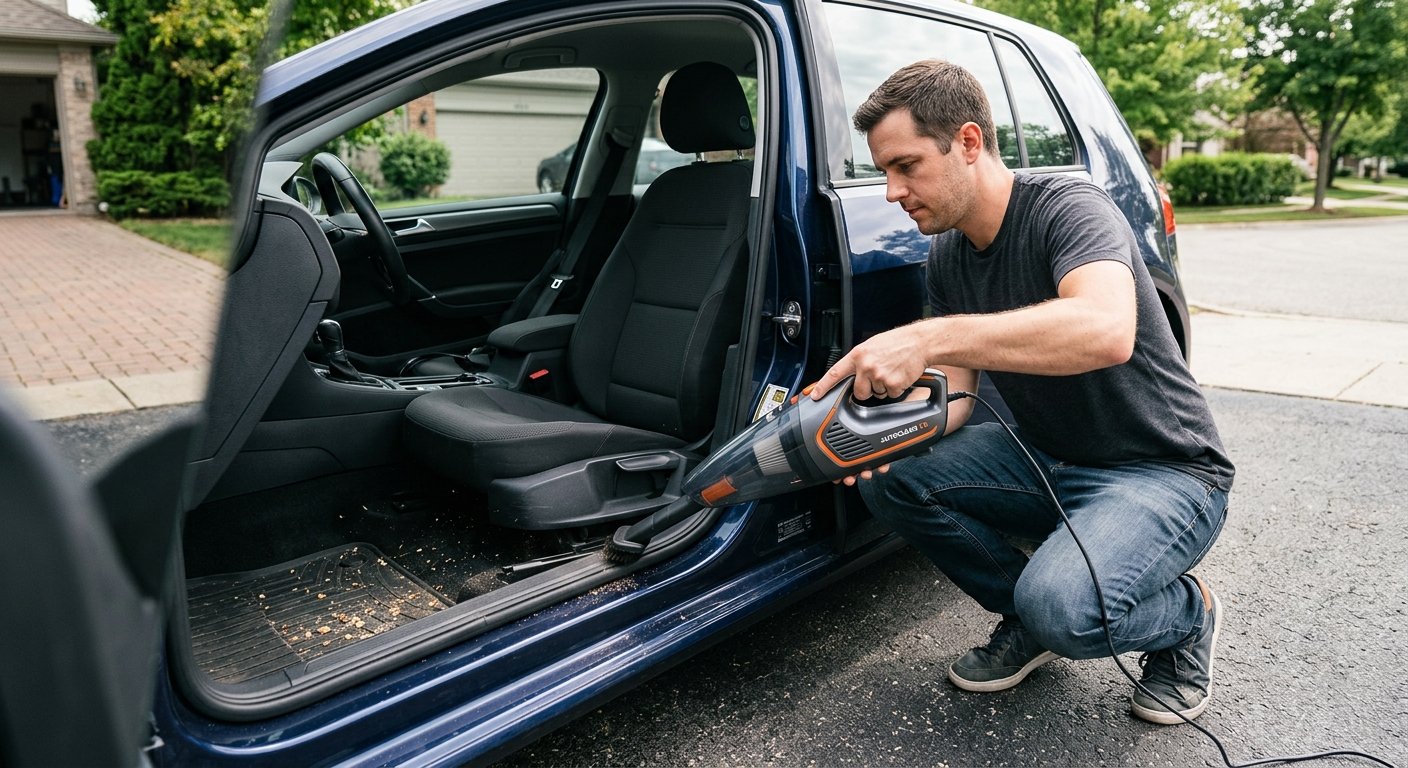
A car vacuum cleaner can clean small, dry messes in a U.S. home, such as crumbs, pet hair, dust, and dirt near doors. It works best for quick spot cleaning, not for replacing a full-size household vacuum.
Before use, check the manual. Use the vacuum indoors only if the maker allows it. A cordless car vacuum is usually the easiest option. A 12-volt plug-in model must use a maker-approved power supply. Never connect a car vacuum to a wall outlet with a random adapter.
Is a Car Vacuum Cleaner Safe to Use Indoors?
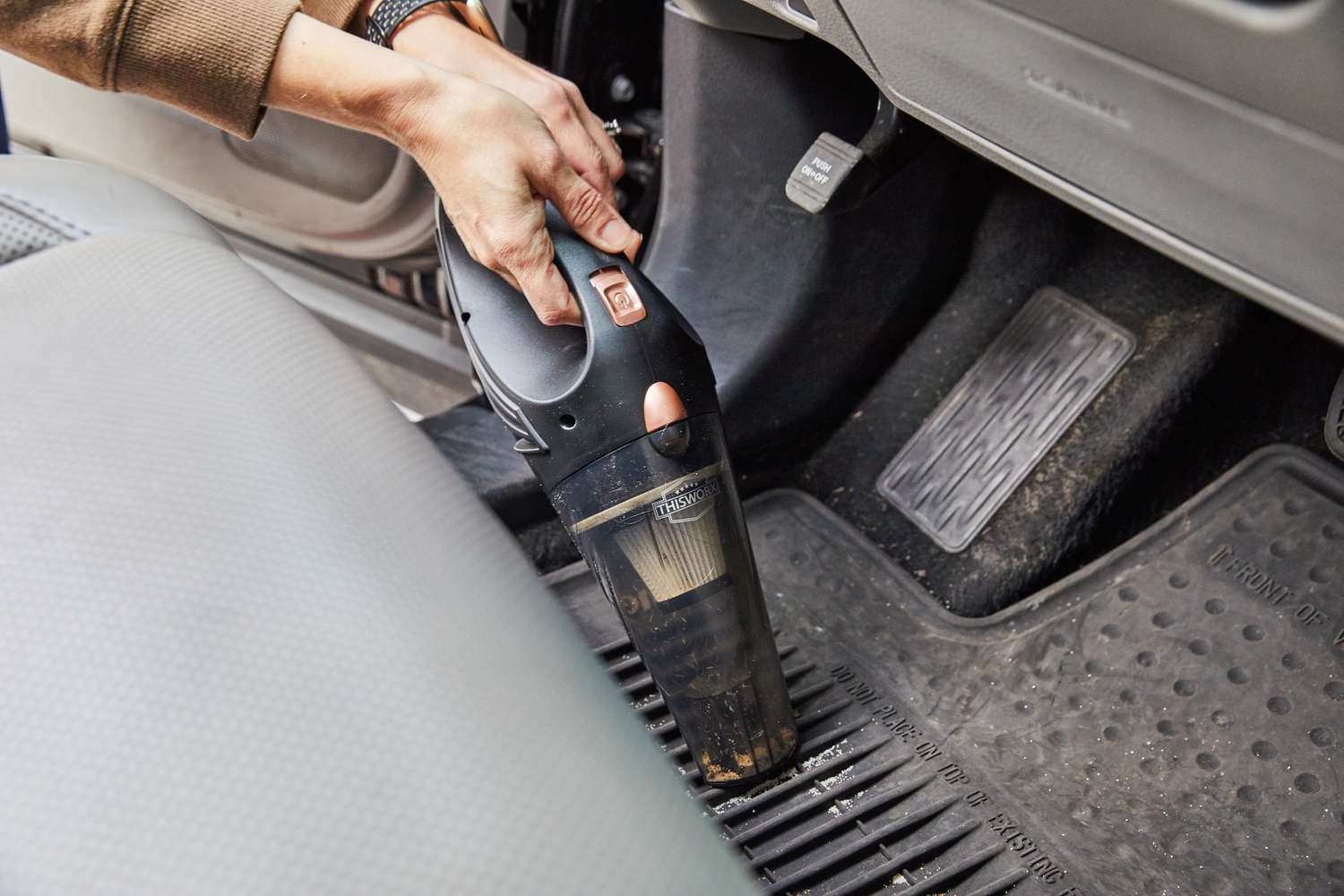
A car vacuum cleaner is safe for indoor use when it is made for dry debris, has a clean filter, and receives the correct power. The main risks are electric shock, overheating, dust release, and motor damage.
Many car vacuums are made for short cleaning jobs. Their small dust cups and filters may fill fast in a house. They may also lack the floor head, sealed body, and long reach of a home vacuum.
Use a car vacuum in the house for:
- Crumbs on a table or kitchen floor
- Dirt near an entry door
- Pet hair on stairs or furniture
- Dust in window tracks
- Debris inside drawers and cabinets
- Lint around a dryer area
- Soil from indoor plants
- Dust in a car seat or stroller
Do not use it for:
- Water or other liquids
- Hot ash or fireplace dust
- Wet food
- Large piles of dirt
- Fine construction dust
- Drywall dust
- Glass shards
- Nails, screws, or other sharp items
- Mold, animal waste, or hazardous material
A standard dry car vacuum is not a wet-dry vacuum. Its motor and filter may not be made to handle liquid. If you need to clean a spill, use a vacuum labeled for wet pickup or clean the spill by hand.
Check the power type first
Car vacuums use one of three common power systems:
| Vacuum type | Indoor use | What to do |
|---|---|---|
| Cordless rechargeable | Usually simple | Charge it, then use it away from the charger |
| 12-volt plug-in | Possible with limits | Use only the approved indoor power method |
| Battery pack model | Usually simple | Follow the battery and charger instructions |
A 12-volt car plug is not the same as a normal U.S. household plug. Do not cut the plug, change the wiring, or use an adapter unless the vacuum maker approves it.
What You Need Before Cleaning
You need the vacuum, its correct filter, and a clear path to the area you want to clean. A small brush, microfiber cloth, and trash bag can also help.
Prepare these items:
- Car vacuum cleaner
- Correct charger or power adapter
- Crevice tool or brush tool
- Clean, dry filter
- Empty trash can
- Soft cloth
- Optional extension cord, if the manual allows one
Check the vacuum before starting. Make sure the body is not cracked, the cord has no cuts, and the battery does not look swollen. Do not use a damaged charger or a battery that smells hot.
Keep the work area dry. Do not use a plug-in vacuum beside a sink, bathtub, wet floor, or open container of water. If the model has a cord, keep the cord away from heat and sharp edges.
A clean filter matters. A clogged filter can reduce suction and make the motor work harder. If the filter is washable, let it dry fully before putting it back. A damp filter can damage some vacuums and may cause dust to stick inside the unit.

How to Use a Car Vacuum Cleaner in the House
Follow these steps for most dry, small cleaning jobs.
1. Read the use limits
Look at the manual or label for the words “dry use,” “indoor use,” “wet/dry,” and “filter care.” The manual controls if it differs from general advice.
Check the allowed debris type. Some models are designed only for light dust and crumbs. Others can handle pet hair or larger dry particles.
2. Charge or connect the vacuum correctly
For a cordless model, charge the battery with the supplied charger. Unplug the charger when the manual says charging is complete, unless the maker allows the charger to remain connected.
For a 12-volt model, use only a power supply that matches the maker’s instructions. The voltage, plug size, polarity, and current rating must all be correct. If you cannot confirm these details, do not use that model indoors.
3. Clear large objects by hand
Pick up toys, coins, paper, and large food pieces first. This keeps the nozzle from clogging.
Do not use the vacuum to pick up sharp items. A sharp piece can cut the filter, damage the fan, or become stuck in the hose.
4. Choose the right tool
Use the crevice tool for corners, gaps, window tracks, and the space between cushions. Use the brush tool for fabric, shelves, vents, and delicate surfaces.
Use the plain nozzle for loose crumbs and dirt on hard floors. If the nozzle has strong suction, keep it moving on fabric. Holding it in one spot may pull at loose threads.
5. Start with high areas
Clean shelves, counters, chair seats, and sofa cushions before the floor. Dust and crumbs may fall as you work.
Move slowly. A short, steady pass often picks up more debris than fast waving. Do not press the nozzle hard against a surface. The vacuum needs an open air path to maintain suction.
6. Clean floors and edges
Work from the far side of the room toward the exit. Use short passes along baseboards, under furniture edges, and around door mats.
A car vacuum may not clean a large carpet well. Its small nozzle can take too long, and its battery may run down. Use it for spots rather than whole-room carpet cleaning.
7. Watch for signs of trouble
Stop if you notice:
- A hot plastic smell
- Unusual noise
- Smoke
- A swollen battery
- Sudden loss of suction
- A flashing warning light
- A cord or plug becoming hot
- Dust blowing back into the room
Turn the vacuum off and unplug it when safe. Let it cool before checking the filter and dust cup.
8. Empty the dust cup
Turn the vacuum off before opening the dust cup. Empty it into a trash bag to reduce dust in the room.
Do not let the dust cup stay full. A full cup can block airflow and reduce cleaning power. It can also push debris into the filter.
9. Clean and store the vacuum
Brush loose debris from the filter if the manual permits it. Wash the filter only if it is marked washable.
Let washed parts dry completely. Store the vacuum in a cool, dry place. Keep the charger and battery away from heat, moisture, and direct sun.

Where a Car Vacuum Works Best in a House
A car vacuum cleaner works best when the mess is small and close by. It is useful when carrying a full-size vacuum would take more time than the cleaning itself.
Hard floors
Use the plain nozzle on tile, vinyl, laminate, and sealed wood. Keep the nozzle slightly above loose grit if the floor may scratch.
For fine dust, use slow passes. If the vacuum blows dust around, stop and check the filter seal.
Stairs
A compact vacuum can be useful on stairs because it is light and easy to carry. Start at the top and work down. Keep one hand free for the rail.
Do not stretch a cord across a stairway. A cordless model is safer for this task.
Sofas and chairs
Use a brush tool on fabric. Test a hidden area first if the fabric is delicate.
Remove cushions when possible. Vacuum the seams, under the cushions, and the space near the frame. Pet hair may need several slow passes.
Kitchen and dining areas
A car vacuum can pick up dry crumbs from chairs, drawers, and floor edges. Do not use it on wet food, grease, spilled drinks, or damp grounds.
Let wet areas dry first. Clean sticky residue with a suitable cloth or cleaner instead.
Window tracks and tight spaces
The crevice tool can reach narrow tracks and gaps. Use low pressure if the track has loose paint or brittle material.
Avoid sucking up large pieces of broken glass. Pick them up with care and use a tool made for sharp debris if needed.

Car Vacuum vs. Household Vacuum
A car vacuum is more portable, but a household vacuum is better for large areas. The right choice depends on the size and type of mess.
| Task | Car vacuum | Full-size household vacuum |
|---|---|---|
| Small crumb spill | Good | Good |
| Stairs | Often convenient | May be harder to carry |
| Whole carpeted room | Slow or limited | Better |
| Pet hair on a sofa | Useful with a brush tool | Often stronger |
| Large dirt pile | Limited | Better |
| Liquid spill | Only if rated for wet pickup | Only if rated for wet pickup |
| Long cleaning session | Battery or heat limits may apply | Usually better |
| Tight corners | Good with a crevice tool | Depends on attachments |
The main trade-off is reach and capacity. A car vacuum saves setup time, but its small dust cup may fill quickly. Its motor may also run for a shorter period than a home vacuum.
For a small apartment, dorm room, office, or quick cleanup, it may be enough for daily touch-ups. For deep cleaning, use a household vacuum designed for indoor floors and carpets.
How to Improve Suction and Cleaning Results
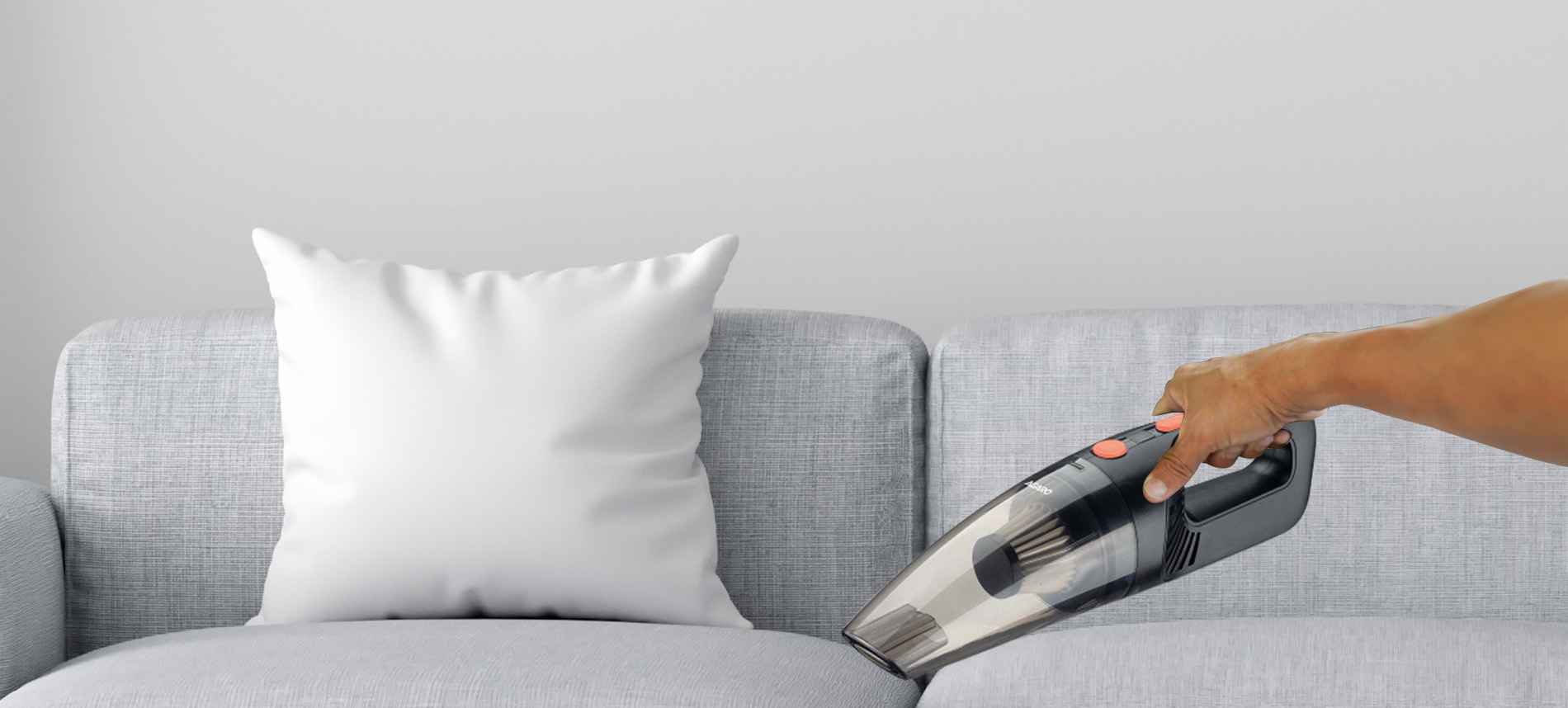
Poor suction often comes from a full dust cup, blocked nozzle, dirty filter, or weak battery. Check these items in that order.
- Turn off the vacuum.
- Empty the dust cup.
- Remove hair and debris from the nozzle.
- Check the hose or air path.
- Inspect the filter.
- Clean or replace the filter as directed.
- Recharge the battery.
- Restart the vacuum.
Do not run the vacuum without its required filter. The filter protects the motor and helps keep dust out of the room.
If suction remains weak, check whether an attachment is blocking airflow. A narrow tool can clog faster than the main nozzle. Also check that the dust cup is locked in place and that its seal is not damaged.
If the vacuum becomes hot, stop using it. A short rest may help, but repeated overheating may point to a blocked filter, worn battery, or motor problem. Contact the maker if the issue continues.

Common Mistakes to Avoid
The most common mistake is treating a car vacuum like a full household vacuum. Its small size does not mean it can safely handle every indoor mess.
Avoid these errors:
- Using a random wall adapter with a 12-volt vacuum
- Vacuuming liquids with a dry-only model
- Cleaning hot ash
- Using the vacuum without a filter
- Washing a filter and reinstalling it while wet
- Filling the dust cup past its marked limit
- Vacuuming drywall or cement dust
- Pulling the vacuum by its cord
- Blocking the motor vents
- Leaving a charging battery near heat
- Using a damaged cord, plug, or battery
- Running the vacuum for long periods when the manual limits use
Fine construction dust is a special concern. It can pass through or clog filters made for normal household debris. Use equipment designed for that material and follow the cleanup rules for the dust involved.
If you need to clean mold, animal waste, needles, chemicals, or unknown powder, do not use a normal car vacuum. Follow local cleanup guidance or contact a qualified service.

Cleaning and Maintenance Schedule
Basic care keeps the vacuum working and helps prevent dust from returning to the room.
| Part | When to check it | What to do |
|---|---|---|
| Dust cup | After each use | Empty it before storage |
| Nozzle | After each use | Remove hair and large debris |
| Filter | When suction drops or as the manual says | Clean or replace it |
| Battery | Before charging | Check for heat, swelling, or damage |
| Cord and plug | Before use | Look for cuts or loose parts |
| Air vents | Monthly or when airflow drops | Remove surface dust |
The exact schedule depends on the model and how often you use it. Pet hair and fine dust may require more frequent filter care.
Replace filters with the correct part when possible. A poor fit can let dust reach the motor or escape into the room.

Quick Takeaways
- A car vacuum can clean small, dry messes in a U.S. home.
- Check the manual before using it indoors.
- Use only the correct charger or approved power adapter.
- Never vacuum liquid with a dry-only model.
- Empty the dust cup and check the filter often.
- Stop if the vacuum smells hot, smokes, or makes unusual sounds.
- Use a full-size household vacuum for large areas and deep cleaning.
FAQs About Using a Car Vacuum Cleaner in the House
Can I plug a car vacuum into a wall outlet?
Only if the vacuum maker provides or approves a compatible power supply. A 12-volt car plug should not go directly into a U.S. household outlet. Do not use a random adapter, cut the plug, or change the wiring.
Can I use a car vacuum on carpet?
Yes, for small spots and dry debris. Use the correct brush or floor tool. A car vacuum may be slow on a whole carpeted room because it has a small nozzle, dust cup, and motor.
Can I use a car vacuum to pick up water?
Only when the model is clearly labeled for wet pickup or wet-and-dry use. A dry-only car vacuum should not pick up water, drinks, wet food, or damp soil.
Why does my car vacuum lose suction indoors?
The dust cup may be full, the filter may be dirty, or the nozzle may be blocked. Turn it off, empty the cup, clear the nozzle, inspect the filter, and recharge the battery. Replace the filter if the manual calls for it.
Is a car vacuum good for pet hair?
It can help with small areas such as sofas, stairs, pet beds, and car seats. Use a brush tool and move slowly. For a whole house with heavy shedding, a household vacuum made for pet hair is usually more practical.
Can I use a car vacuum for fireplace ash?
No, unless the vacuum is specifically designed and rated for ash. Ash may remain hot and can create a fire risk. Fine ash can also pass through normal filters or damage the motor.
Conclusion
Use a car vacuum cleaner in the house for quick, dry, small-area cleaning. Start by checking the manual, power source, filter, and debris limits. Then use the right attachment, work slowly, empty the dust cup, and stop at the first sign of heat or damage.
For large rooms, deep carpet cleaning, liquids, or hazardous debris, choose equipment made for that job.