
How To Use A Sun Shade For Car: Easy Guide
Introduction
A car sun shade helps block sunlight through the windshield and can make a parked vehicle feel less harsh inside. This is useful in hot U.S. cities such as Phoenix, Las Vegas, Miami, Dallas, and Los Angeles, where direct sun can quickly heat a parked car. A shade can also help reduce glare and protect parts of the cabin from long-term sun exposure.
To use one, park safely, unfold the shade inside the car, place the reflective side toward the outside, and secure it against the windshield. Remove it before driving. A sun shade lowers heat and glare, but it does not make a parked car safe for a child or pet.

What Is a Car Sun Shade?
A car sun shade is a panel or screen placed against a vehicle window to block sunlight. Most models are made for the front windshield. Some also cover the rear window or side windows.
Common types include:
- Foldable accordion shades: These fold into sections and are easy to store.
- Roll-up shades: These roll into a tube or retract into a case.
- Pop-up shades: These use a flexible frame and open quickly.
- Custom-fit shades: These match the shape of a specific windshield.
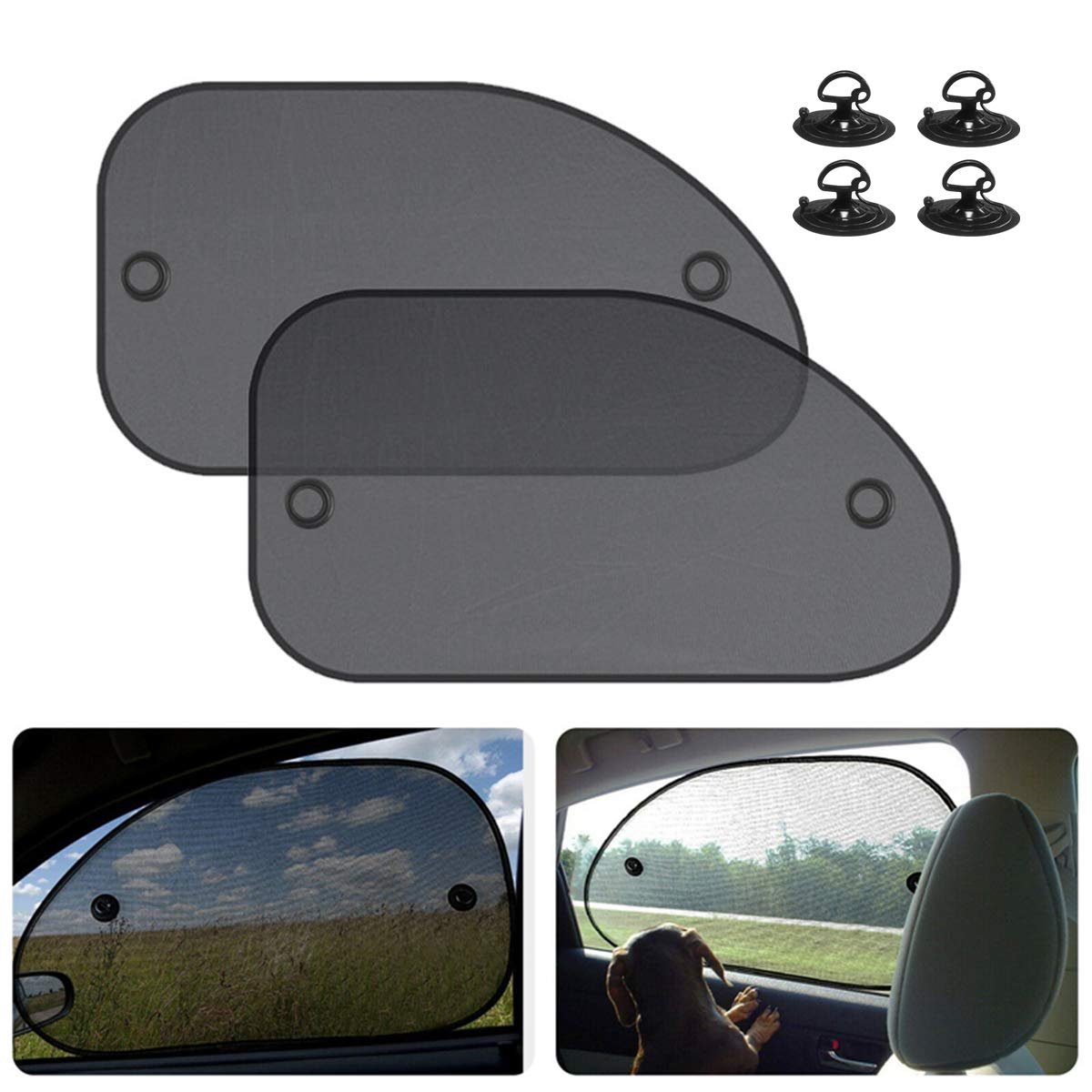
- Side-window shades: These attach with suction cups, static cling, or a frame.
The most useful windshield shades have a bright, reflective surface. That surface sends part of the sun’s energy back through the glass instead of allowing the dashboard and seats to absorb it.
A shade is not an air conditioner. It may reduce the heat load inside the car, but the cabin can still become dangerously hot. The National Highway Traffic Safety Administration warns that children and pets should never be left alone in a parked vehicle, even for a short time. Opening a window slightly does not remove this risk.

How to Use a Windshield Sun Shade
Use the following steps each time you park in direct sunlight.
1. Park in a safe place
Choose a legal parking space. If possible, park in shade or face the front of the car away from the strongest sunlight. A shade works best when it blocks direct rays, but parking location still makes a major difference.
Do not stop in a place where you block traffic, emergency access, or a clear view of pedestrians.
2. Turn off the car and remove the keys
Place the vehicle in Park, set the parking brake, and turn off the engine. If you use a remote start system, make sure the vehicle will not start while you are placing the shade.
Never place or adjust a sun shade while driving. It can block your view and create a serious crash risk.
3. Open the shade inside the car
Unfold or unroll the shade while standing beside the open driver’s door or passenger door. Check that the shade is not twisted.
If the shade has a flexible wire frame, keep your fingers away from the frame as it opens. Some spring-loaded shades can snap open with force.
4. Face the reflective side outward
Place the reflective or shiny side toward the windshield and the outside sun. The darker or fabric side normally faces into the cabin.
This position helps reflect sunlight before it enters the vehicle. If both sides look similar, check the product instructions. The key is to keep the most reflective surface facing the glass.
5. Place the shade against the windshield
Set the upper edge near the roof liner and the lower edge near the dashboard. Open the shade as wide as possible so it covers the glass from corner to corner.
Try to leave as few gaps as possible. Sunlight entering through a small uncovered area can still create bright glare and heat on the dashboard.
6. Use the sun visors to hold it in place
Lower both sun visors over the shade. The visors help keep the panel flat and prevent it from falling away from the glass.
If the shade has straps, magnets, suction cups, or clips, use them as directed. Do not force a fastener onto a surface that could scratch the glass, damage trim, or interfere with an air bag.
7. Check the edges
Look around the windshield. The shade should stay in place without pressing hard against the rearview mirror, dash-mounted camera, toll tag, or other equipment.
A small gap at the bottom is usually less important than large gaps at the top and sides. Still, a shade that is too small will provide less coverage.
8. Remove the shade before driving
Raise the sun visors, take out the shade, and store it safely. Do not drive with a windshield shade in place.
The shade can block traffic lights, signs, pedestrians, cyclists, and other vehicles. It may also prevent the driver from seeing clearly through the windshield.

How to Use a Car Sun Shade on Side or Rear Windows
Side and rear shades need more care because they can affect visibility and may interfere with vehicle equipment.
For a side window:
- Open the shade fully.
- Place it flat against the inside of the window.
- Attach it with the supplied suction cups, clips, or static-cling surface.
- Keep it away from the side mirror’s viewing area.
- Remove it before driving if it blocks the driver’s view.
For a rear window, use a shade only when it does not hide brake lights, the rear camera view, or important traffic behind the vehicle. Some cars use the rear glass for cameras, sensors, or defroster lines. Do not attach a product in a way that damages those parts.
Never place a shade over a side-curtain air bag area unless the vehicle maker specifically allows it. Air bags can deploy from the roof lining or upper side trim. Check the owner’s manual before using clips, hooks, or permanent mounts near those areas.
State laws and vehicle rules can differ, especially for window tint and objects that obstruct the driver’s view. A removable shade used while parked is different from a screen left in place while driving, but the safe rule is simple: remove anything that limits the driver’s view before moving the car.

How to Choose the Right Car Sun Shade
The best shade is the one that fits the window, stays in place, and stores easily. A poor fit can leave large uncovered areas or fall onto the dashboard.
Compare shade features
| Feature | Why it matters | Best use |
|---|---|---|
| Custom fit | Covers more of the glass | Frequent use or strong sun |
| Universal fit | Costs less and fits many cars | Occasional use |
| Reflective outer face | Reflects some sunlight | Hot, sunny parking areas |
| Rigid or semi-rigid panel | Holds its shape | Fast daily setup |
| Flexible pop-up frame | Packs into a small space | Travel and storage |
| Soft fabric edges | May be gentler on trim | Cars with delicate interior surfaces |
| Storage strap or case | Keeps the shade compact | Small trunks or full cargo areas |
Measure the inside of the windshield if the product does not list your vehicle. Measure the widest point and the tallest point. Compare those measurements with the shade’s stated size.
A shade that is slightly smaller may leave gaps. A shade that is too large may bend, press against the rearview mirror, or push on dashboard equipment. Custom-fit does not always mean better for every driver; it usually costs more and takes up more space.
Consider how you store it
A foldable shade often takes more space than a roll-up model when folded. A pop-up shade may pack small, but its spring frame can be harder to control.
Store the shade where it will not become a projectile during sudden braking. The trunk or a secured door pocket is usually safer than the top of the dashboard.

How Effective Is a Car Sun Shade?
A car sun shade can reduce direct sunlight and help keep the dashboard, steering wheel, and front seats from becoming as intensely hot. Its effect depends on the shade’s coverage, the windshield angle, outdoor temperature, parking time, and exposure to direct sun.
It does not stop all heat from entering the car. The roof, side glass, rear glass, and vehicle body can still absorb sunlight. Heat can also remain inside after the shade is removed.
For better results:
- Use the shade every time you park in direct sun.
- Cover the windshield as completely as possible.
- Add approved side-window shades when the car is parked.
- Use a windshield cover only while the vehicle is stationary.
- Vent the car before entering, if safe and permitted.
- Turn on the air conditioner after starting the car and drive only when visibility is clear.
- Keep leather, electronics, and heat-sensitive items out of direct sun when possible.
Do not rely on a shade to protect people or animals from heat. The CDC states that heat inside a parked car can rise quickly, even when outdoor conditions do not seem extreme. The safest choice is to take children and pets with you.

Common Mistakes to Avoid
Putting the reflective side inside
The reflective surface should normally face the sun. Reversing the shade can reduce its ability to reflect sunlight. Follow the product directions when the two sides are not clearly different.
Leaving the shade in place while driving
A windshield shade is for parked use. It can obstruct the driver’s view and may fall into the footwell or against the steering wheel.
Using a damaged shade
Replace a shade if its frame is bent, its reflective layer is peeling, or its fasteners no longer work. A broken frame may scratch trim or glass.
Covering sensors or cameras
Many modern vehicles use windshield-mounted cameras for driver-assistance systems. A shade should not press against or damage these components. Remove it before starting the vehicle.
Blocking air bags
Do not attach side-window screens or hooks over air bag covers. Look for labels such as “SRS” or “Airbag,” and check the vehicle manual.
Leaving valuables on the dashboard
A shade may hide items from view, but it does not make them secure. Put valuables in a locked compartment or take them with you.
Expecting a shade to prevent heat damage
A shade can reduce direct exposure, but it cannot guarantee that a phone, battery, aerosol can, medication, or other heat-sensitive item will remain safe. Follow the storage directions for each item.

What to Do If the Sun Shade Does Not Fit
If the shade falls down, first check whether it is installed backward or folded incorrectly. Then make sure the sun visors are holding the upper section and that the lower edge is resting on the dashboard.
If large gaps remain, measure the windshield and compare it with the shade’s listed dimensions. A universal shade may be too narrow or short for a large SUV, pickup, or minivan windshield.
If the shade is too large, do not force it against the mirror or dashboard controls. Return it for a better size if possible. Cutting the shade can weaken its frame and create sharp edges.
If it fits but still falls, inspect the glass and attachments. Dust, moisture, weak suction cups, or worn straps can reduce grip. Clean the glass with a product suitable for automotive windows, then let it dry before reinstalling the shade.

Key Takeaways
- Place the sun shade inside the windshield with its reflective side facing outward.
- Use the sun visors or supplied fasteners to hold it flat.
- Cover as much glass as possible without pressing on cameras, sensors, or trim.
- Remove every shade before driving.
- A shade can reduce sun and glare, but it cannot make a parked car safe for children or pets.
- Choose a size that fits the windshield without bending or blocking equipment.
FAQs
Should the shiny side of a car sun shade face in or out?
The shiny, reflective side should usually face outward toward the windshield and the sun. This helps reflect some sunlight before it enters the cabin. Check the package instructions if both sides look similar.
Can I leave a sun shade in the car overnight?
Yes, if the car is parked safely and the shade does not damage the windshield, dashboard, mirror, or sensors. Store it securely when not in use. Do not leave it in place while driving.
Do car sun shades prevent a car from getting hot?
No. They can reduce direct sunlight and help limit heat on the dashboard and front seats, but the rest of the car can still heat up. Never use a shade as a reason to leave a child or pet inside a parked vehicle.
Can I use a sun shade on a tinted windshield?
Check local laws and the shade’s instructions. A removable shade used while parked is generally different from permanent tint or an obstruction used while driving. Remove the shade before moving the car.
How do I clean a car sun shade?
Follow the care label. Many fabric shades can be wiped with a damp cloth and mild soap. Do not soak a shade with a metal or spring frame unless the manufacturer allows it. Let it dry fully before folding it.
Conclusion
Using a car sun shade is simple: park safely, unfold the shade inside the windshield, face the reflective side toward the sun, secure it with the sun visors, and remove it before driving. Choose a shade that fits without touching cameras, sensors, air bags, or controls.
For the strongest protection, combine the shade with smart parking and safe storage. Most of all, remember that a sun shade reduces sunlight; it does not replace responsible care for children, pets, or heat-sensitive items.